

Memories of Our Parents | Live Well
Look Good. Travel Far. Live Well ◆ Functional Health & Wellness by Samuel
I. Introduction — Memories of Our Parents as We Grow Older
Memories of Our Parents have a way of changing as we grow older. The moments we once considered ordinary begin to carry a different meaning, while things we barely noticed as children sometimes become the memories we treasure most.
When we were young, our parents were simply Mom and Dad. They were the people who woke us for school, reminded us to finish our homework, worried when we came home late, and sometimes said no when we desperately wanted to hear yes. We didn’t always understand their decisions. In fact, we often believed they had no idea what we were going through.
Then life happened.
We grew up, faced our own disappointments, worried about people we loved, and discovered that being an adult wasn’t nearly as simple as we once imagined. Somewhere along the way, we began to recognize things about our parents that childhood never allowed us to see.
Perhaps our father came home exhausted but still found time to ask about our day. Maybe our mother quietly gave up something she wanted so we could have something we needed. Or perhaps we remember an argument differently now, realizing there were pressures and circumstances we knew nothing about.
Of course, not every childhood was filled with warmth, and growing older doesn’t automatically make difficult memories easier. Some relationships remain complicated. Others leave us with questions that may never have answers.
Yet for many of us, time brings a different perspective. We begin to see our parents beyond the roles they played in our lives. They were once young people with hopes, fears, ambitions, and uncertainties of their own.
And sometimes, the most surprising part of growing older is realizing how little we knew about the two people we thought we knew best.
Quick Guide
Our understanding of family often changes with age. These six reflections explore why familiar childhood moments can feel different years later and how we can appreciate our parents without overlooking the complexities of family relationships.
Remember the little things — Everyday routines, conversations, and shared laughter often become our most meaningful memories.
Look beyond childhood — Adult experiences can help us understand decisions that once seemed unfair or confusing.
Recognize quiet sacrifices — Love was sometimes expressed through responsibilities and actions rather than words.
Accept their imperfections — Our parents had personal struggles, limitations, and dreams beyond raising a family.
Make room for complicated feelings — Appreciation and disappointment can exist together, and not every memory needs a happy interpretation.
Preserve what matters — Stories, photographs, traditions, and conversations can help keep family memories alive for future generations.
This Guide Is For…
Anyone who has looked back on childhood and discovered that a familiar memory feels different today.
Perhaps you’re beginning to notice your parents aging, and conversations that once seemed unimportant suddenly feel precious. You may find yourself asking questions about their younger years, wondering what they dreamed of before becoming parents, or wishing you knew more about the lives they lived outside your family.
This guide is also for those whose relationships with their parents have never been simple. You might carry wonderful memories alongside disappointment, distance, or unresolved feelings. Understanding our parents as human beings doesn’t mean excusing everything they did. Sometimes it simply means recognizing that their lives were more complicated than we understood as children.
Whether your parents are still part of your everyday life or live on through the stories and memories you carry, this reflection is about seeing them through a wider lens.
Because memories of our parents aren’t only about who they were. They’re also about how our understanding of love, family, and life continues to change as we grow older.
II. The Childhood Memories We Carry
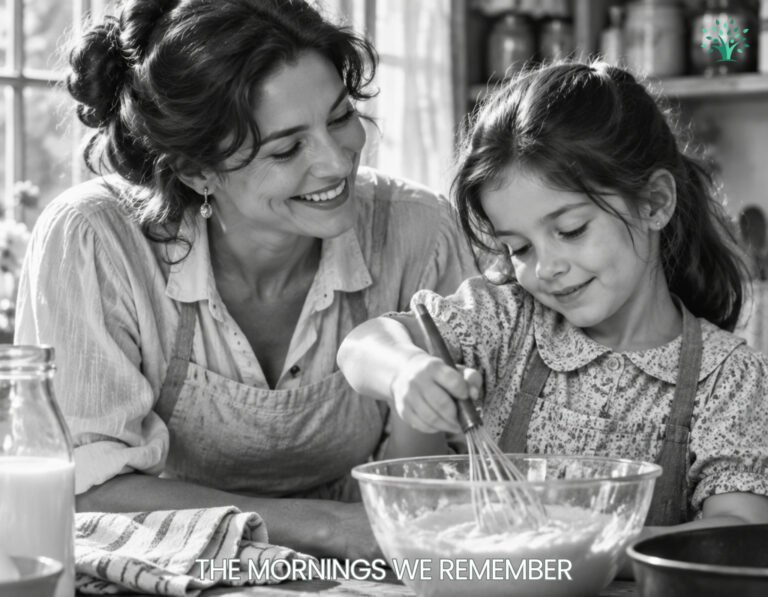
Some of our earliest memories aren’t connected to birthdays, holidays, or extraordinary family occasions. They’re the little things that happened so often we hardly noticed them at the time.
The sound of our mother calling us to dinner. Our father’s footsteps coming through the front door after work. Sitting in the back seat of the family car, half asleep, while our parents talked quietly in the front. Or waking up on a Saturday morning to familiar sounds coming from the kitchen.
Back then, these moments were simply part of everyday life. We assumed they would always be there.
Childhood has a way of making everything feel permanent. The house we grew up in, the people around our dinner table, and the routines that shaped our days seemed as though they would never change. We were too busy growing up to recognize that those ordinary moments were becoming memories.
Of course, we also remember the disagreements. Being told to clean our rooms, finish our vegetables, or come home before dark. Some rules felt unreasonable, while others led to arguments that seemed terribly important at the time.
Looking back, we might laugh at how seriously we took those little battles. Yet some memories still carry sadness or frustration, reminding us that childhood was never quite as simple as nostalgia makes it seem.
What makes memories of our parents so personal is that no two families experience childhood in exactly the same way. Some remember affectionate hugs and laughter around the dinner table. Others remember quieter expressions of care, difficult relationships, or moments when they wished things had been different.
Whatever our experiences, those early years leave impressions that follow us into adulthood. And sometimes, it takes decades before we begin to understand why certain memories have stayed with us.

III. Memories of Our Parents Through Adult Eyes
There comes a point in adulthood when we begin to recognize something surprising about our parents: they were figuring life out as they went along, just as we are.
As children, we expected them to have answers. They were supposed to know what was right, make the difficult decisions, and somehow keep everything under control. We rarely considered that they might have been uncertain, frightened, or overwhelmed themselves.
Then we experienced our own responsibilities.
Perhaps we struggled to pay bills, worried about keeping a job, or faced a decision that affected someone we loved. Suddenly, a conversation from childhood came back to us. Something our father said that once seemed unnecessarily serious began to make sense. A warning from our mother that we dismissed years ago sounded surprisingly reasonable.
Even the familiar phrase, “You’ll understand when you’re older,” sometimes turns out to contain more truth than we wanted to admit.
Yet understanding doesn’t always mean agreeing. We may recognize why our parents made certain choices while still believing they could have handled things differently. Growing older gives us perspective, not an obligation to rewrite the past.
Another realization comes when we think about how young our parents actually were when they were raising us.
The mother who seemed to know everything might have been only twenty-eight, trying to balance work, marriage, children, and her own uncertain future. The father who appeared confident and dependable might have been thirty-five, quietly wondering whether he was doing enough for his family.
At those ages, many of us were still trying to understand ourselves.
Seeing memories of our parents through adult eyes can change the questions we ask. Instead of wondering only why they behaved a certain way, we begin to consider what they were experiencing at the time.
What worried them? What did they hope to accomplish? Were they happy with the lives they had built? And how much of themselves did they set aside while raising us?
We may never know every answer. But simply asking those questions allows us to see our parents as people whose stories began long before we entered their lives.
⭐ Recommended Reading
IV. The Sacrifices We Never Noticed
When we’re children, we rarely think about what it costs to raise a family. Food appears on the table, school supplies are purchased, and somehow the household continues to function.
We notice what we receive, but not always what someone else has given up to provide it.
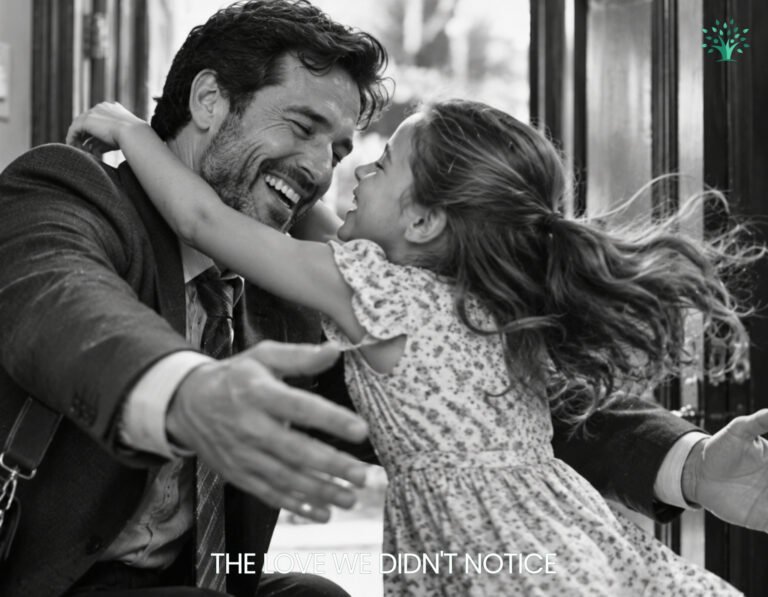
Perhaps our father worked overtime so the family could afford a summer vacation. Maybe our mother wore the same winter coat for years while making sure her children had what they needed. There might have been evenings when one parent was exhausted but still helped with homework, prepared dinner, or stayed awake waiting for us to come home.
These weren’t necessarily grand gestures. Most happened quietly, without explanation or any expectation that we would understand.
And sometimes, we didn’t.
We complained about the vacation that wasn’t exciting enough, the clothes that weren’t fashionable, or the birthday gift that wasn’t quite what we wanted. We had no idea how carefully our parents might have stretched a paycheck or how many decisions they made around the needs of their children.
Years later, after managing our own responsibilities, we may find ourselves remembering those moments differently.
The family vacation becomes less about where we went and more about the effort it took to make it happen. The homemade birthday cake matters more than the expensive present we once wanted. Even a simple packed lunch can remind us of someone who got up early every morning to prepare it.
Still, sacrifice isn’t the only measure of parental love. Some parents had more resources or support than others, and some children were asked to carry responsibilities they should never have had to bear. Acknowledging what our parents gave doesn’t require us to ignore what may have been missing.
For many families, however, memories of our parents become richer when we begin to recognize the work behind the ordinary comforts of childhood.
The things that once appeared effortlessly were often made possible by someone else’s time, patience, and determination.
And perhaps the most touching realization is that our parents didn’t always tell us what they were doing. They simply did what they believed was necessary, hoping we would have opportunities they might never have had themselves.
⭐ Recommended Reading

V. Our Parents Were Human, Too
It’s strange to think that the people who raised us once had lives in which we didn’t exist.
Before becoming our mother or father, they were young adults with friendships, ambitions, romantic relationships, and dreams about the future. They had favorite songs, places they wanted to visit, and perhaps careers they hoped to pursue.
Some achieved those dreams. Others took different paths as life, marriage, work, and family responsibilities changed their priorities.
As children, we rarely thought about any of this. Our parents seemed to exist entirely within the world of our family. We knew what they cooked, where they worked, and the rules they expected us to follow. But how much did we really know about the people they had been before we were born?
Maybe our mother once dreamed of becoming an artist. Perhaps our father wanted to travel the world but never found the opportunity. One might have loved dancing, while the other had a mischievous sense of humor that gradually disappeared beneath the pressures of adulthood.
Sometimes, we discover these details through old photographs.
There they are, decades younger, standing beside friends we’ve never met or smiling in a place we don’t recognize. Their clothes belong to another era, but their expressions are wonderfully familiar. For a moment, we see them not as our parents, but as two young people enjoying their lives.
Those photographs can make us curious about stories we never thought to ask.
Of course, seeing our parents as human beings also means acknowledging their mistakes. They may have been impatient, emotionally distant, overly demanding, or unable to express affection in ways we needed. Some mistakes were small; others left lasting consequences.
We don’t have to pretend those experiences were harmless to understand that our parents had limitations. Compassion and accountability can exist together.
As we grow older, memories of our parents may become less about deciding whether they were good or bad and more about recognizing the complicated people they were.
They had strengths and weaknesses, moments of generosity and moments of frustration. They sometimes made wise decisions and sometimes got things terribly wrong.
In other words, they were human.
And when we finally begin to see them that way, we may discover a deeper understanding of the people who shaped our lives—even when our relationships with them remain imperfect.
⭐ Recommended Reading

VI. The Ordinary Moments We Miss Most
It’s often the smallest moments that come back to us when we think about our parents.
Not necessarily the big family celebrations or expensive vacations, but the familiar routines that once filled our everyday lives. The way our mother called us by a childhood nickname. Our father’s familiar laugh. The sound of dishes being washed after dinner while everyone else gathered in the living room.
At the time, we never imagined we would miss such ordinary things.
We were busy with school, friends, work, and eventually our own families. Conversations with our parents sometimes became shorter. Visits were postponed because something else needed our attention. We assumed there would always be another Sunday dinner, another phone call, or another opportunity to sit together and talk.
Then, gradually, life changed.
Perhaps our parents moved into a smaller home, and the house where we grew up became someone else’s. The family dinner table disappeared, along with the familiar sounds and routines that had surrounded us for years.
Or maybe we visited our parents one afternoon and noticed how much quieter the house had become. The television was still on, the same photographs hung on the walls, and our mother still asked whether we had eaten. Yet something about the moment felt different.
We were no longer the children rushing out the door. We were adults watching time move through the lives of the people who raised us.
For those who have lost a parent, an ordinary memory can return unexpectedly. A familiar recipe, an old song, or a particular scent might bring back a moment that seemed insignificant decades ago.
And for those whose parents are still with them, these memories can be a gentle reminder to enjoy the everyday moments that remain.
Memories of our parents often teach us that meaningful family experiences don’t have to be extraordinary. Sometimes, the moments we miss most are the ones we never thought to photograph.
A cup of coffee together. A familiar conversation. Or simply sitting in the same room, comfortable enough that nobody feels the need to say anything at all.

VII. When Memories of Our Parents Become More Precious
As we grow older, time begins to change the way we think about our parents.
When we were children, they seemed almost ageless. Even as young adults, we rarely considered how quickly their lives were moving forward alongside our own.
Then one day, we notice the gray hair, the slower walk, or the way our father pauses before standing up from his favorite chair. Perhaps our mother asks us to repeat something because she didn’t quite hear it the first time.
These changes can feel surprisingly emotional.
The people who once carried us when we were tired may now need a helping hand. The parents who taught us how to navigate the world might begin asking us for advice about things they once handled independently.
Our roles don’t necessarily reverse overnight. Instead, they change through small, almost unnoticeable moments.
We start offering to drive, making sure they arrive home safely, and helping with things around the house. Along the way, we discover that tasks our parents once handled effortlessly have gradually become more difficult.
At the same time, our conversations may begin to change.
Rather than asking only how they’re feeling or whether they’ve eaten, we might become curious about their childhood, their first jobs, or how they met. Stories we’ve heard many times suddenly seem worth listening to again.
Sometimes, we discover something entirely new about a parent we’ve known all our lives.
Other times, we realize there are questions we should have asked years ago.
For those whose parents have passed away, memories of our parents can become one of the few remaining connections to their voices, personalities, and everyday presence. A photograph or handwritten note may hold meaning far beyond its appearance.
For others, family memories are complicated by distance, estrangement, or experiences that make closeness difficult. Growing older doesn’t mean everyone must reconnect. Sometimes, protecting our peace is an important part of understanding our own family history.
Still, whether our relationships are close or complicated, time often encourages us to think differently about what remains.
We begin to appreciate the stories we know, recognize the ones we may never hear, and understand that our parents’ lives contain chapters beyond our own memories of them.
Perhaps that’s why an old family photograph can become more valuable with every passing year.
The picture hasn’t changed.
We have.
VIII. Carrying Their Love and Lessons Forward
One of the most interesting things about growing older is discovering how much of our parents lives on in us.
Sometimes, it’s something obvious. We catch ourselves repeating one of our father’s favorite expressions or preparing a meal exactly the way our mother used to make it.
Other times, the resemblance surprises us.
We might discover that we organize our kitchen the same way our parents did, worry about the weather before someone takes a long drive, or insist that everyone bring a jacket even when the forecast looks perfectly fine.
As children, we may have rolled our eyes at those habits.
Now, we find ourselves doing the very same things.
Yet the influence of our parents goes far beyond familiar expressions and household routines. Their attitudes toward work, relationships, money, kindness, and responsibility may have shaped us in ways we didn’t fully recognize.
Perhaps our father taught us persistence by showing up for work every morning, even when life was difficult. Maybe our mother demonstrated generosity through small acts of kindness toward neighbors and friends.
Some lessons came through conversations. Others were learned simply by watching.
Of course, not everything we carry forward is something we want to repeat. Certain family patterns may have taught us the importance of communicating differently, setting healthier boundaries, or expressing affection more openly.
Sometimes, the lessons we learn from our parents come from deciding what kind of person we want to become.
And that, too, is part of their influence.
As adults, we have an opportunity to decide which traditions, values, and memories deserve a place in our own lives. We can preserve the things that brought us comfort while making thoughtful changes to the things that caused pain.
Memories of our parents are more than stories about the past. They can become reminders of what matters to us today and what we hope to share with the people who come after us.
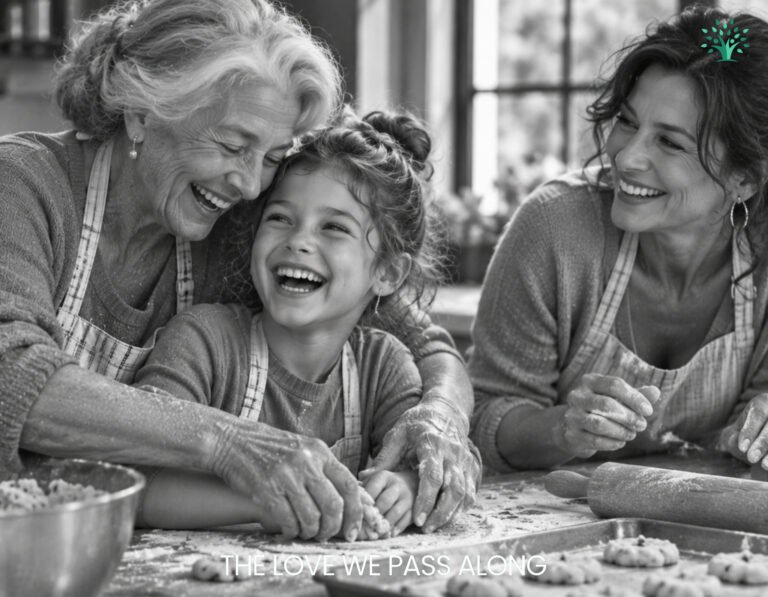
A favorite family recipe might be prepared for another generation. An old photograph might inspire a conversation about someone younger family members never had the chance to meet. A simple tradition, carried forward, can create a connection between people separated by decades.
And sometimes, the most meaningful way to honor our parents isn’t to live exactly as they did.
It’s to take what we’ve learned, add our own understanding, and create something better for the next generation.

IX. Shop LTL — Preserving Family Memories
Family memories don’t always need an elaborate system to be preserved. Sometimes, a few photographs, handwritten stories, or treasured keepsakes are enough to bring an entire chapter of our lives back into focus.
At LTL Shop, we believe meaningful keepsakes are those that encourage families to remember, share, and connect.
Family Photo Albums
Bring childhood photographs, family celebrations, and everyday moments together in one collection. Adding names, dates, and handwritten notes makes those memories even more meaningful.
Digital Photo Frames
Keep family photographs visible and updated, especially for parents and grandparents who enjoy seeing pictures of their children and grandchildren.
Family Keepsake Boxes
Preserve handwritten letters, greeting cards, childhood drawings, and small objects that carry special family memories.
Family Memory Journals
Record stories about childhood, family traditions, personal dreams, and important life lessons that might otherwise be forgotten.
Preserving memories of our parents isn’t about collecting everything. It’s about keeping the photographs, stories, and small reminders that help us remember who they were and what they meant to us.
As an Amazon Associate, I earn from qualifying purchases. These are products I personally use and recommend because they support healthy aging without making my daily routine more complicated.



X. The LTL Approach — Reflection, Gratitude, and Living Well
As we grow older, memories of our parents often remind us how much our understanding of life has changed. We begin to appreciate the relationships that shaped us, recognize lessons worth carrying forward, and think more deeply about what matters most.
Looking back isn’t always about holding on to the past. Sometimes, it’s about understanding how our experiences have influenced the people we’ve become and the lives we want to lead.
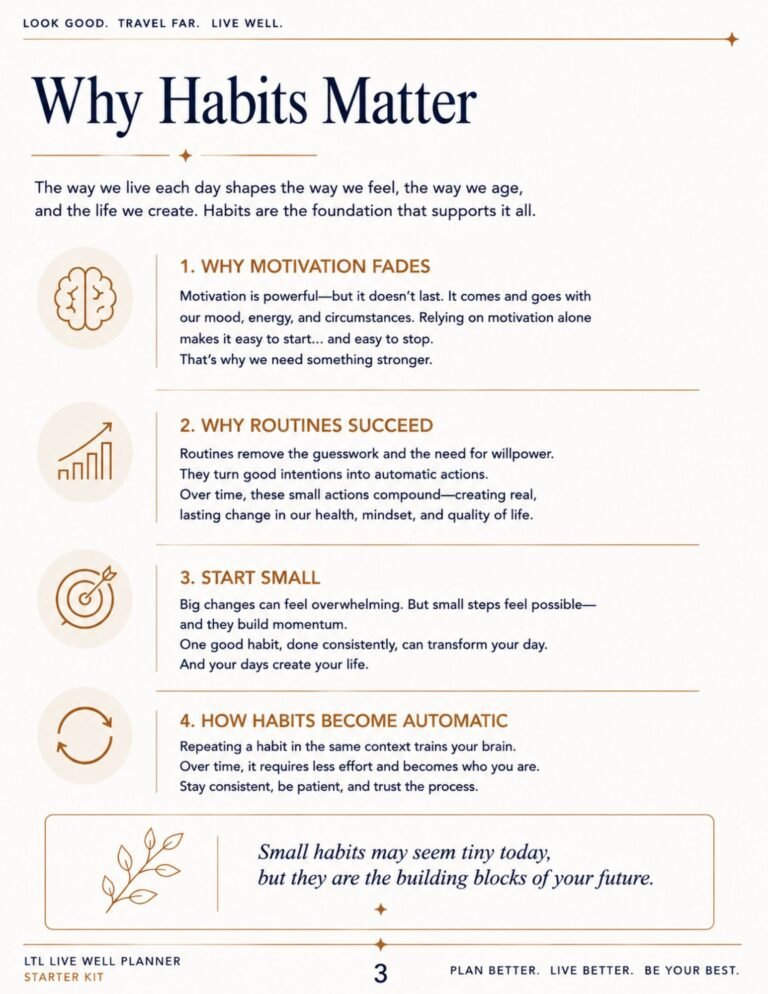
That’s one of the reasons we created the Live Well Planner.
The planner encourages you to reflect on where you are today, appreciate the people and experiences that have shaped your life, and build everyday habits that support your well-being.
Inside, you’ll find practical guidance and planning pages focused on daily habits, movement, hydration, nutrition, sleep, recovery, gratitude, personal reflection, and creating routines that fit your life.
👉 Get your complimentary “Live Well Planner” 4-Page Sampler. Click here to download.
A selected preview from the complete planner to help you reflect on what matters most and begin making thoughtful choices for the years ahead.
🛍 If you’d like to continue, the complete Live Well Planner is a 24-page premium LTL Living Guidedesigned to help you build healthier routines, create greater balance, and live more intentionally.
Our parents helped shape the beginning of our story. What we choose to carry forward becomes part of the next chapter.
Honor the memories. Appreciate the lessons. Keep living well.

XI. Final Thoughts — Memories of Our Parents Stay With Us
There is something quietly remarkable about how our understanding of our parents changes throughout our lives.
As children, we saw them through the world they created around us. We remembered the rules, the family routines, the disagreements, and the moments that made us feel loved or misunderstood.
Years later, those same memories can tell a different story.
We begin to recognize the responsibilities they carried, the uncertainty they may have hidden, and the personal dreams that existed long before we came into their lives.
We also begin to understand that our parents were never simply the people who raised us.
They were individuals trying to navigate their own lives, sometimes succeeding, sometimes struggling, and often making decisions without knowing how everything would turn out.
Some of us look back with affection and gratitude. Others carry more complicated memories, including questions and disappointments that time hasn’t resolved. Both experiences deserve honesty.
Growing older doesn’t require us to make peace with every part of our childhood. But it can give us a wider perspective on the people and experiences that shaped us.
Perhaps memories of our parents become so meaningful because they remind us of more than where we came from. They reveal how much our understanding of life has changed along the way.
And when we think about our parents today, we may find ourselves remembering something unexpectedly simple.
Not a grand achievement or a perfect family moment.
Just our mother laughing at the dinner table. Our father telling the same familiar story. The sound of a voice calling us from another room.
Ordinary moments that once seemed as though they would last forever.
And somehow, in our memories, a part of them does.
Look Good. Travel Far. Live Well.
With care,
Samuel