
Barrier Repair for Reactive Skin: Your Complete Recovery Playbook
Skincare & Beauty by Mijung | Korean Beauty & Flight Attendant Experience
i. iNTROduction: When Your Skin Reacts to Everything
If you’re anything like me, you’ve probably had those mornings when your skin feels like it has a mind of its own — and that’s when you realize how much barrier repair for reactive skin really matters. One day it’s radiant, the next red and irritated. Have you ever looked in the mirror and thought, “Why does my skin freak out over everything lately?” One day your moisturizer feels soothing, the next it burns. Even gentle cleansers sting. That unpredictable cycle of redness, tightness, and irritation is exhausting — and it’s a sign your skin’s protective layer needs serious help. What you’re really seeing isn’t just sensitivity; it’s a barrier in distress, crying out for recovery. That’s why understanding barrier repair for reactive skin is the first step toward calm, balanced, and glowing skin again.
Your skin barrier is like invisible armor — a thin, smart wall of lipids, ceramides, and healthy bacteria that locks in moisture and keeps irritants out. But when stress, over-exfoliation, or harsh ingredients wear it down, your complexion turns reactive almost overnight. The products that once made you glow suddenly cause redness or breakouts, leaving you stuck in a cycle of trial and error.
In this blog, I’ll walk you through the essentials of barrier repair for reactive skin — what damages it, how to recognize the warning signs, and the proven recovery steps dermatologists and K-beauty experts swear by. You’ll also find the Korean barrier heroes I personally rely on for travel and long-haul recovery, plus expert-backed insights on how to rebuild your glow from within. By the end, you’ll know exactly how to help your skin feel calm, hydrated, and strong again — no more guessing, no more flare-ups, just real balance that lasts.
📥 BONUS: Barrier Repair for Reactive Skin: 5-Day Recovery Map. Download your “FREE” 1-page printable Recovery Map at the end of this post!
II. What Is the Skin Barrier (and Why It Breaks So Easily)
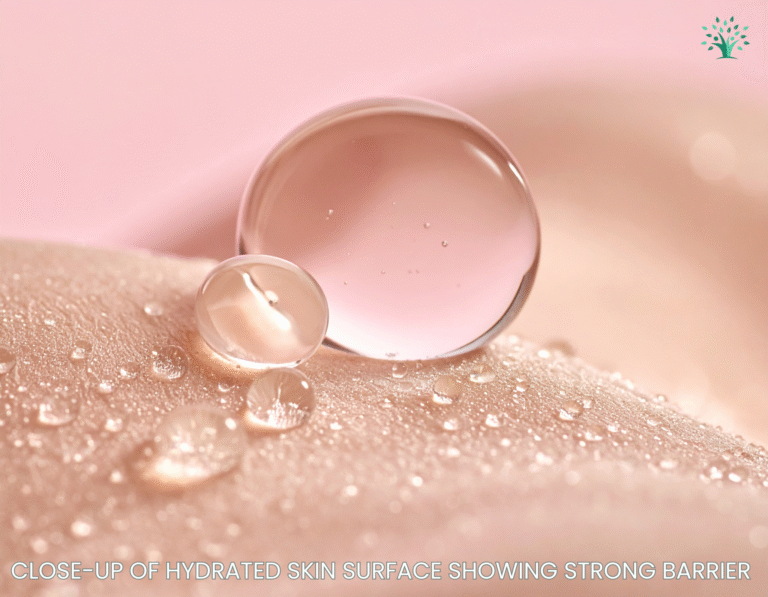
Your skin barrier might look invisible, but it’s the hardest-working part of your complexion. Think of it as a living shield made of lipids, ceramides, and natural oils — all designed to lock in hydration and keep irritants out. When it’s healthy, your skin feels soft, calm, and balanced. But once it’s damaged, even the gentlest product can feel like fire. That’s why barrier repair for reactive skin isn’t just about products; it’s about understanding what your skin is trying to tell you.
Every day, modern life chips away at that barrier. Harsh cleansers, hot showers, strong acids, and overuse of exfoliating toners strip away the natural oils your skin depends on. Add stress, hormonal changes, and dry weather, and that delicate balance starts to unravel. Suddenly, your skin loses water faster than it can retain it — a process called transepidermal water loss — leading to redness, tightness, and inflammation.
When the barrier breaks down, your skin goes into defense mode. It becomes reactive, hypersensitive, and unpredictable. That’s why repairing it isn’t just about soothing redness; it’s about rebuilding structure — restoring lipids, rebalancing the microbiome, and creating an environment where your skin can heal itself again.
If your skin’s been feeling thin, sore, or impossible to calm, don’t panic. The good news is that the skin barrier has an incredible ability to bounce back with the right support — and that recovery starts faster than you think.
Recommended Reading:
III. Signs Your Skin Barrier Is Damaged
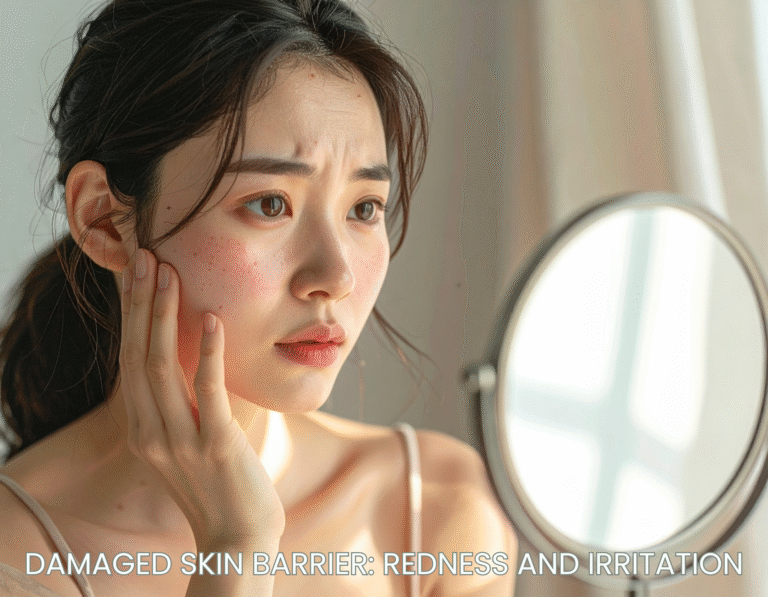
When your skin barrier is compromised, it doesn’t stay quiet about it. The signs are subtle at first — a little dryness here, a patch of redness there — but they build fast. If your face feels like it’s in constant recovery mode, it’s time to listen.
You might notice your usual products suddenly sting or cause redness. Even moisturizers that once felt soothing now create discomfort. Skin looks dull, feels tight after cleansing, or flushes easily when you apply serum. Sometimes, tiny bumps or rough texture appear overnight. These aren’t random reactions; they’re your skin’s way of saying its defenses are down.
For many women, it starts after overdoing exfoliants or retinol. You think you’re chasing glow, but you end up with sensitivity instead. That’s when barrier repair for reactive skin becomes non-negotiable — not a trend, but a reset button. When your skin can’t protect itself, inflammation sneaks in, hydration leaks out, and your complexion becomes unpredictable.
The good news? Every one of these signs is reversible. Once you understand what your skin needs to rebuild its foundation, recovery starts quickly. The next section walks you through exactly how to do that — step by step — with a barrier repair playbook you can trust, even when your skin feels fragile.
⭐ Recommended Reading
IV. Barrier Repair for Reactive Skin Playbook: 5 Steps to Recovery (part 1)
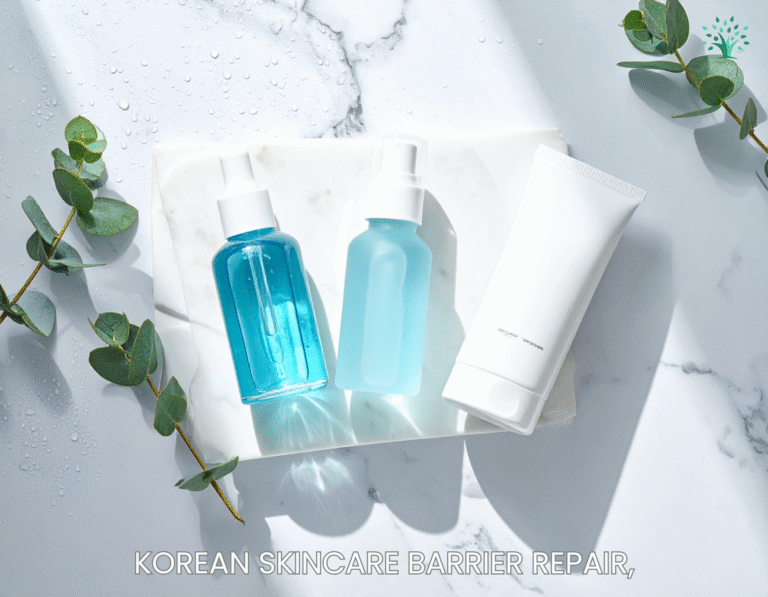
If your skin has been red, stinging, or unpredictable, the first step is to stop fighting it. Recovery starts when you give your skin permission to rest. These first three steps form the foundation of every barrier repair for reactive skin routine — gentle, restorative, and proven to work when consistency replaces overdoing.
Step 1 – Cleanse Gently, Not Aggressively
Your cleanser should never leave your face feeling tight. Look for low-pH, non-foaming formulas that wash away dirt without stripping your natural oils. Cleansing is about preserving balance, not creating squeaky-clean dryness.
Product Tip: CeraVe Hydrating Cream-to-Foam Cleanser— a mild, pH-balanced cleanser that removes buildup without damaging the lipid layer.
Step 2 – Rehydrate and Seal In Moisture
Immediately after cleansing, apply a hydrating toner or essence to replace lost water. Follow with a humectant serum and a moisture-locking cream to seal everything in. This layered hydration rebuilds elasticity and helps calm that prickly, sensitive feeling.
Product Tip: Torriden DIVE-IN Toner— a hyaluronic acid toner that deeply replenishes moisture and preps skin for serum.
Step 3 – Rebuild Lipids and Ceramides
Your barrier can’t heal without its building blocks. Ceramides, fatty acids, and cholesterol work together to restore the skin’s natural shield. Products that combine these ingredients mimic what your skin makes naturally, reinforcing the outer layer from within.
Product Tip: RNW Der. Concentrate Ceramide Ampoule — a concentrated serum that reinforces the lipid barrier and reduces water loss.
When you focus on these three steps for the first week, you’ll notice visible improvement — less tightness, fewer flare-ups, and a smoother surface ready for deeper repair.
⭐ Recommended Reading

V. Barrier Repair for Reactive Skin Playbook: 5 Steps to Recovery (part 2)
Once your foundation is set, the final two steps are about keeping your skin calm and protected long-term. These are the finishing layers that make barrier repair for reactive skin last — reducing relapse and helping your glow stay consistent.
Step 4 – Soothe Inflammation and Support Recovery
Soothing ingredients like centella asiatica, panthenol, green tea, and peptides help calm redness and irritation while accelerating repair. Think of this as first aid for the face — quieting inflammation so healing can take place underneath.
Product Tip: Medi-Peel Peptide 9 Volume Bio Tox Cream — a peptide-rich moisturizer that comforts irritated skin and restores firmness.
Step 5 – Protect Daily with SPF and Barrier Cream
No recovery plan works without protection. Sun exposure, pollution, and temperature shifts can undo your progress in a single day. Finish your morning routine with a broad-spectrum SPF and a barrier cream designed to shield while allowing skin to breathe.
Product Tip: CellFusion C Toning Sunscreen 100 — lightweight daily UV protection that strengthens and repairs the skin barrier.
These last steps are about consistency — protection, patience, and mindfulness. When you follow all five, your skin starts feeling stronger, more hydrated, and less reactive every day.
The next section highlights the Korean skincare barrier heroes that helped me maintain those results long after the redness disappeared.
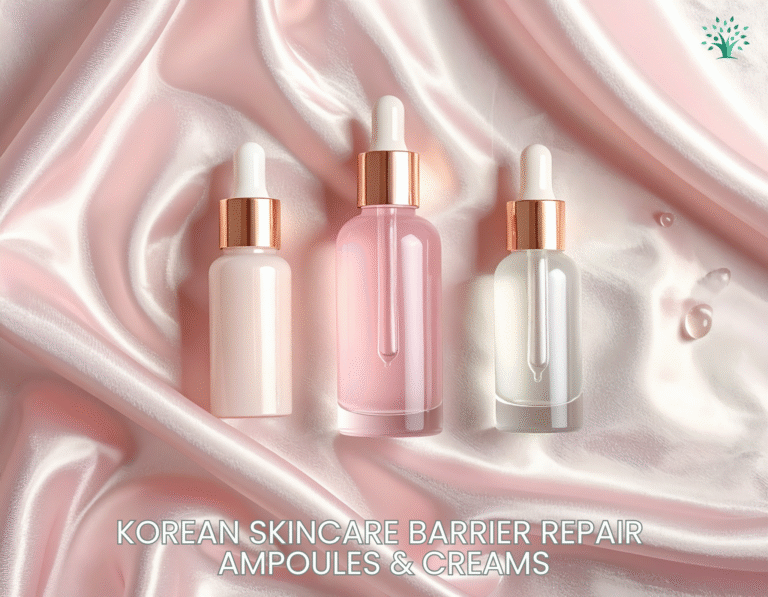
Vi. My Korean Skincare Barrier Heroes for Barrier Repair for Reactive Skin
When your skin feels raw and reactive, finding the right products can feel impossible. I learned that less is more — and that Korean skincare offers some of the most effective formulas for rebuilding a damaged barrier. These products became my go-to lineup for restoring calm, hydration, and balance during my own barrier repair for reactive skin journey.
- CeraVe Hydrating Cream-to-Foam Cleanser — gentle, pH-balanced cleansing for sensitive skin.
- Torriden DIVE-IN Toner — deep hydration to replenish lost moisture.
- RNW Der. Concentrate Ceramide Ampoule — lipid and barrier strength booster.
- Medi-Peel Peptide 9 Volume Bio Tox Cream — calming moisture shield and anti-inflammatory care.
- CellFusion C Toning Sunscreen 100 — daily SPF protection that repairs while shielding
Each of these products helped restore not just my glow, but my confidence. The key is consistency and patience — layering hydration, protection, and repair ingredients daily until your skin learns to trust you again.
Next, let’s look at what dermatologists say about why barrier repair is so critical, and how these ingredients work with your skin — not against it.
Affiliate Disclaimer:
As an Amazon Associate, I earn from qualifying purchases. These are products I personally use and trust — shared here to make your skincare recovery easier and more effective.
⭐ Recommended Reading

Vii. Expert Insights: Why Dermatologists Emphasize Barrier Repair
Dermatologists often say the key to beautiful skin isn’t perfection — it’s protection. When your barrier is intact, your skin naturally looks healthier, smoother, and more even-toned. That’s why experts place so much importance on barrier repair for reactive skin before introducing anything active or corrective.
According to dermatologists, the skin barrier isn’t just a surface layer; it’s a living ecosystem. It’s made up of lipids, proteins, and microbiota that constantly communicate with your immune system. When that system is disrupted — through harsh ingredients, stress, or over-exfoliation — inflammation takes over. The result: redness, sensitivity, and premature aging.
Barrier repair works by restoring that harmony. Ingredients like ceramides, fatty acids, niacinamide, and panthenol strengthen the stratum corneum, while peptides and antioxidants calm inflammation and support renewal. When skin feels protected, it can finally focus on what it’s meant to do — regenerate, balance, and glow.
Dermatologists also stress that healing a reactive barrier isn’t about doing more. It’s about doing less, but better. Gentle cleansing, smart hydration, and consistent SPF form the foundation. Once the barrier is healthy, any treatment you add — from vitamin C to retinol — performs more effectively and with fewer side effects.
As one board-certified dermatologist once said, “Healthy skin isn’t achieved by fighting it; it’s achieved by listening to it.” The next section walks you through how long recovery actually takes — and how to track real progress without losing patience.
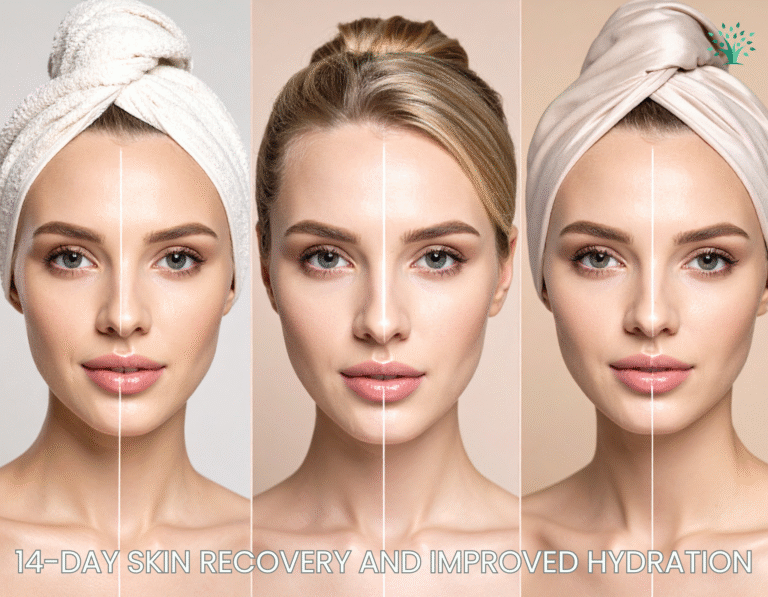
Viii. Recovery Timeline: How Long It Takes to Heal Reactive Skin
When your skin flares up, the first question that always comes to mind is, “How long will this take to heal?” The truth is, barrier recovery doesn’t happen overnight — but it happens faster than most people realize when you stay consistent. The timeline depends on how deeply your skin’s defenses have been compromised, but these are the stages most women experience with barrier repair for reactive skin routines.
After 3 Days:
The stinging and tightness usually start to calm. Your skin might still feel dry, but the irritation eases as hydration begins to rebuild beneath the surface.
After 7 Days:
Texture and tone begin to improve. You’ll notice fewer flare-ups, and your skin starts feeling more predictable again.
After 14 Days:
Your complexion looks visibly stronger and more balanced. Makeup applies more smoothly, sensitivity decreases, and that “angry” look finally softens.
Consistency is everything. Think of this as a relationship — your skin needs time to rebuild trust. Every day you stay gentle and patient, it responds by becoming more resilient.

x. 💡 Mijung’s Tip – How I Calm My Skin After a Flare-Up
When my skin feels tight or starts stinging after a long day or flight, I don’t rush for new products — I simplify. I stop all actives, skip exfoliants, and go back to three things: a ceramide-rich ampoule, a creamy barrier moisturizer, and a cool compress with soft cotton. It’s the quickest way I know to reset.
Remember, barrier repair for reactive skin doesn’t happen from doing more — it happens when you give your skin a chance to breathe. Treat it like a friend who’s been through too much; patience brings back the glow faster than any trend ever will.

xi. Final Thoughts: Calm Is the New Glow
If I’ve learned one thing from years of flying in dry cabins and testing every new skincare trend, it’s this: calm skin is confident skin. You can spend hours chasing brightness or glass-like perfection, but none of it lasts if your skin doesn’t feel safe. When I finally understood the importance of barrier repair for reactive skin, everything changed — my routine became simpler, and my results became more consistent.
Your skin doesn’t need pressure; it needs patience. Give it quiet mornings, hydration, and products that rebuild rather than strip. You’ll start noticing something subtle but powerful — less redness, fewer surprises, and a softness that looks beautiful even without makeup. That’s when you know your barrier is finally healed.
So the next time your skin feels off, take a breath, pare things back, and rebuild slowly. Sometimes the best glow comes from doing less — but doing it with care.
Strongest Glow Starts with a Healthy Skin Barrier.
With care,
Mijung
📥 BONUS: Barrier Repair for Reactive Skin: 5-Day Recovery Map on 1 page—save it for your next skincare haul. Stick these on your bathroom mirror, your skincare shelf, or your journal.
📥 Download Printable PDF – 1 Page