
Why Your Skin Barrier Repair Routine Matters
◆Skincare & Beauty by Mijung | Korean Beauty & Flight Attendant Experience
I. Introduction: Why Your Skin Barrier Repair Routine Matters
If your skin barrier repair routine has suddenly become your priority, you’re not imagining it. Many women are experiencing redness, burning, tightness, or unexpected sensitivity — even with products that always worked before. Cabin air, stress cycles, weather changes, lack of sleep, and over-exfoliation all play a quiet role. During my years flying, sensitized skin was one of the most common issues junior flight attendants struggled with, especially after long-haul flights or irregular schedules.
Sensitized skin feels unpredictable. One day your routine works perfectly, and the next day everything stings. It’s confusing and discouraging, and I’ve helped many women navigate this same pattern throughout my career.
What makes sensitized skin tricky is that it doesn’t always look damaged. Sometimes it simply feels “off”—a little tight, a little shiny, or easily irritated. These subtle changes are often the earliest signs that your barrier needs attention.
This guide explains what’s happening beneath the surface and how to rebuild strength, calm irritation, and restore stability with a skin barrier repair routine that supports your skin gently and consistently.
If your skin has felt reactive lately, you’re not alone. And you’re not doing anything wrong — your barrier just needs protection and recovery.
📥 BONUS: “Skin Barrier Repair Routine – Free Download”
Preview your PDF below and download the free printable at the end of this post!
Stick it to your mirror and carry them.
II. What Causes a Sensitized Skin Barrier
A sensitized barrier doesn’t always look damaged. Sometimes it shows up as tightness, shine, redness, or irritation when you apply products that normally feel fine. These early shifts often signal that your skin is working harder than usual to stay balanced. A weakened barrier clogs faster, reacts more easily, and becomes more prone to inflammation.
Environmental habits play a larger role than most people realize. Phone screens, pillowcases, gym towels, makeup tools, and sunscreen layers can all transfer buildup that slowly overwhelms your skin. Small hormonal fluctuations contribute too, especially when dehydration or irregular sleep patterns are added into the mix.
Once these quiet triggers stack up, sensitivity spikes — even when your routine hasn’t changed. Your barrier isn’t failing; it’s overloaded.
Recommended Reading:
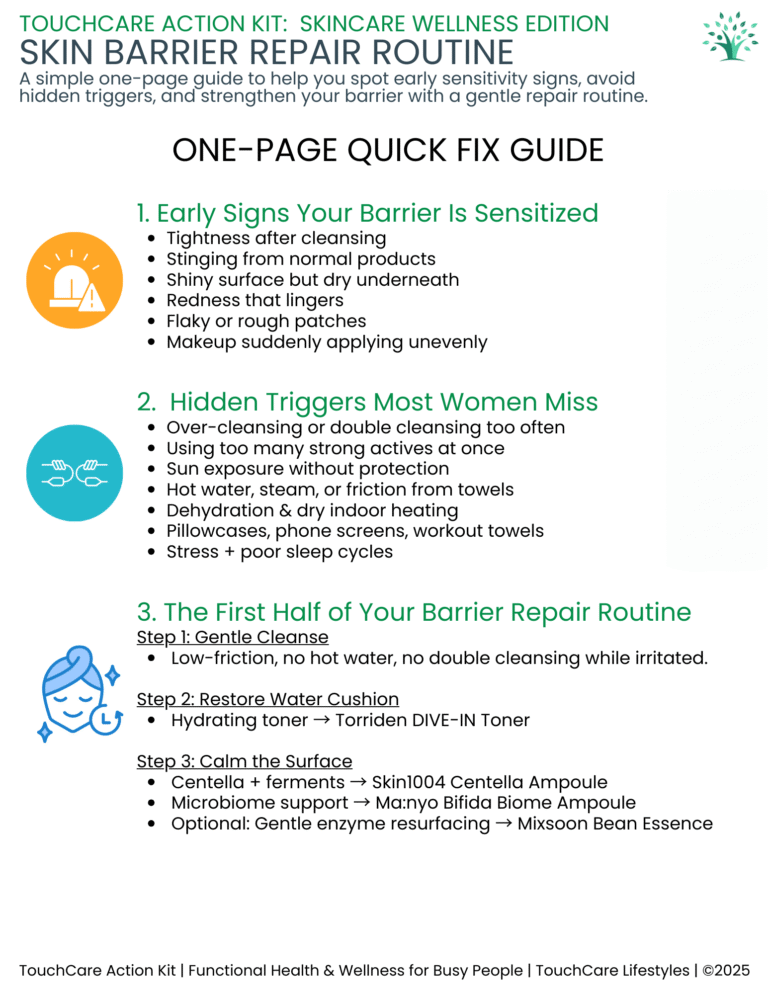
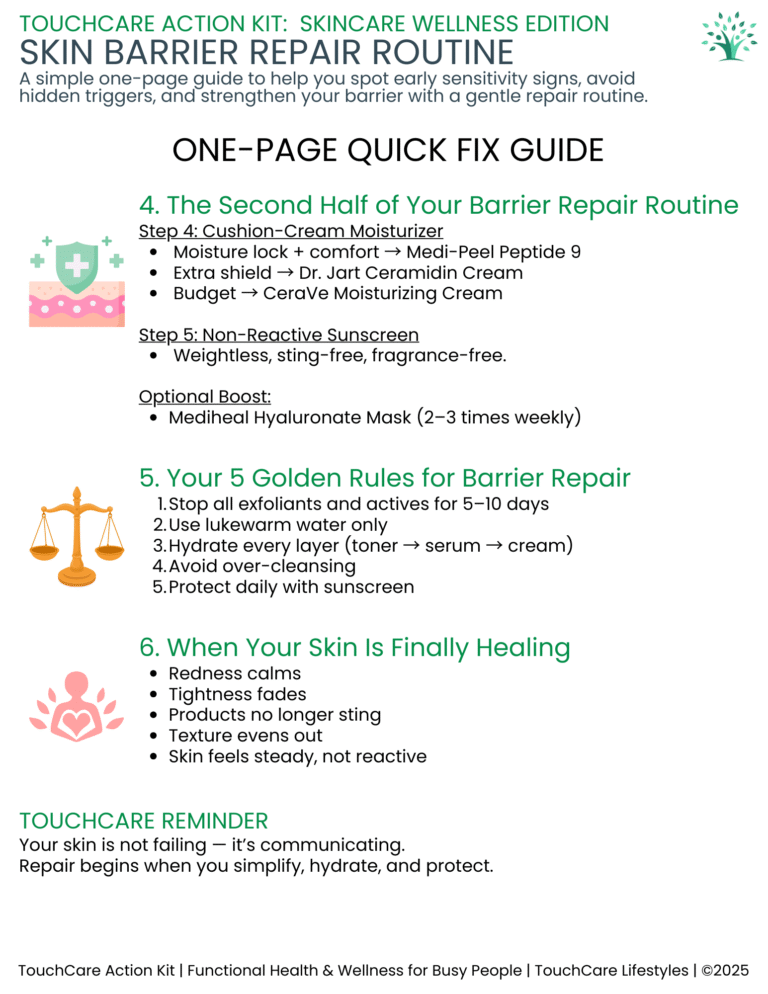
📥 FREE PDF: Skin Barrier Repair Routine — Quick Fix Guide
Preview your Skin Barrier Repair Guide below and download the free printable at the end of this post. Stick it to your bathroom mirror or keep it in your skincare journal.
📥 Download Your Free Printable (PDF) Below
III. The Early Signs Your Barrier Needs Repair
Barrier damage rarely shows up all at once. The first clues are subtle.
Your skin may feel unusually tight after cleansing, even when you use mild products. It may look shiny on the surface but feel dry underneath. Makeup might settle unevenly, and textures you didn’t notice before may suddenly appear. Redness may linger longer than usual. Sunscreen might start to sting. A moisturizer might feel warm or irritating when it never did before.
These signs often appear days or weeks before larger flare-ups. They’re early warnings that the barrier is losing stability. When you catch them early, repair becomes much easier and much faster.
If any of these symptoms feel familiar, your skin barrier repair routine should begin now.
⭐ Recommended Reading
IV. Common Habits That Quietly Damage the Skin Barrier
We often assume irritation comes from a “bad product,” but most sensitized barriers are caused by habits that seem harmless at first.
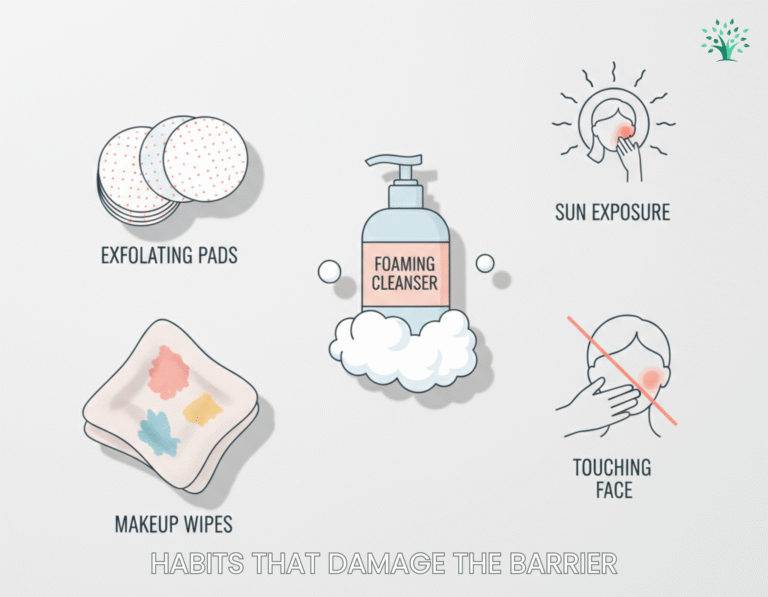
Over-cleansing is a major trigger. Washing too often or using strong foaming cleansers removes protective lipids your barrier needs. When those lipids disappear, the surface becomes fragile.
Layering too many active ingredients also disrupts balance. Acids, retinol, and vitamin C are powerful, but the skin can’t process all of them at once. When overused, they exhaust the barrier and trigger inflammation.
Skipping moisturizer is another hidden cause. Even oily skin needs moisture to stay balanced. Without it, the skin compensates by producing more oil, which leads to congestion and irritation.
Sun exposure weakens a compromised barrier quickly. UV light dehydrates the skin and slows repair, making inflammation last longer.
Everyday friction plays a role too. Towels, pillowcases, masks, workout gear, and frequent touching create micro-irritations that add up.
These habits are easy to overlook, but changing them is the fastest way to help your barrier recover.
⭐ Recommended Reading
V. The First Half of Your Skin Barrier Repair Routine
A damaged barrier doesn’t need a complicated routine. It needs a gentle, structured rhythm that restores moisture, reduces inflammation, and rebuilds strength. These first steps create the foundation your skin needs before moving into deeper recovery.
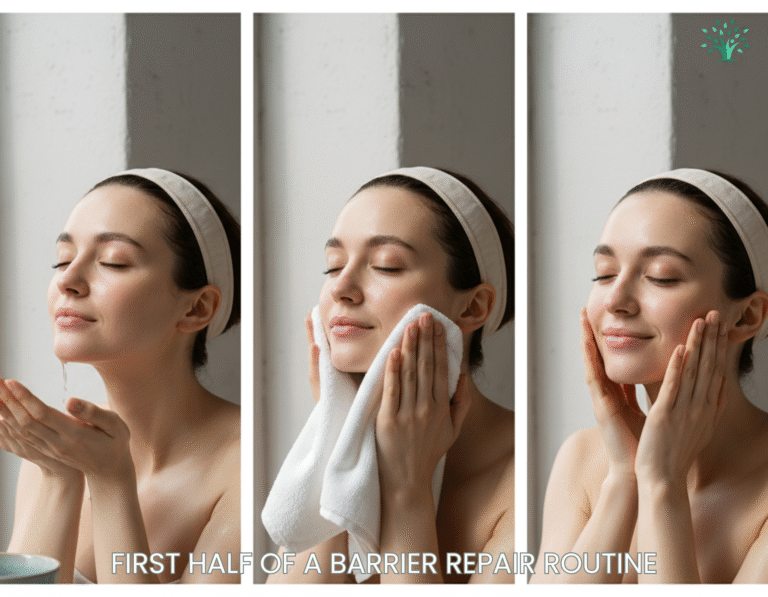
Gentle cleansing comes first: when the barrier is weakened, even water can feel harsh. Your cleanser should refresh the skin without foam friction, tightness, or residue. Focus on low-movement cleansing — no scrubbing, no double cleansing, and no hot water. This prepares the skin for hydration without creating more irritation.
Restore the skin’s water cushion: sensitized skin loses moisture quickly, which is why it often feels tight, shiny, and dry at the same time. A gentle hydrating toner restores the water cushion the barrier needs to function. A water-light option like Torriden DIVE-IN Toner helps the skin feel soothed again without heaviness.
Calming ingredients to support repair: after hydration, the skin needs ingredients that calm irritation and support recovery beneath the surface. Look for centella, ceramides, panthenol, or microbiome-supporting ferments. A calming formula such as Skin1004 Madagascar Centella Ampoule reduces redness, while Ma:nyo Bifida Biome Ampoule strengthens deeper resilience.
On days when your skin can handle a little gentle resurfacing, Mixsoon Bean Essence offers enzyme-based exfoliation that helps keep buildup under control without scrubbing or burning a sensitized barrier.
VI. The Second Half of Your Skin Barrier Repair Routine
Once irritation has calmed and hydration feels more stable, your routine shifts into strengthening mode. These steps reinforce the barrier so progress doesn’t disappear overnight.
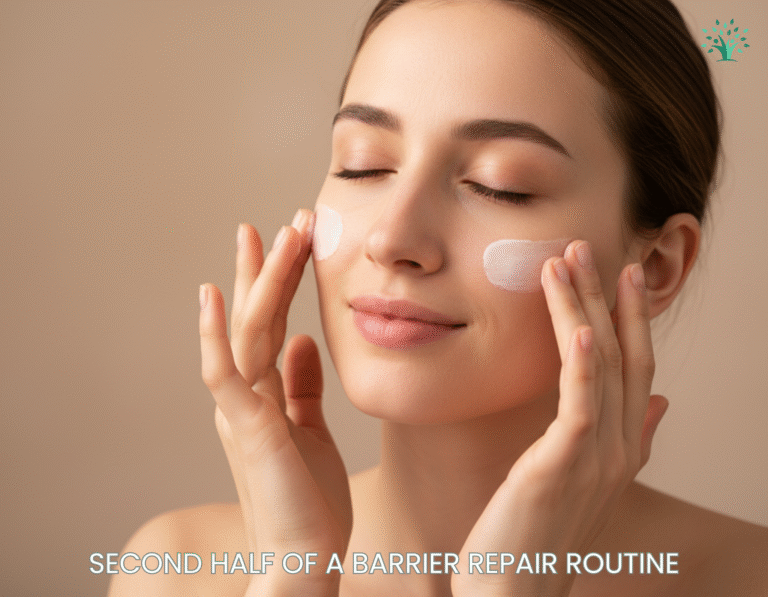
Seal in moisture with a cushion-cream: your moisturizer should feel like a protective hug — soft, breathable, and supportive. This step locks in hydration and reduces the friction that makes sensitized skin react. A cushion-cream such as Medi-Peel Peptide 9 Volume Bio Tox Cream helps the barrier stay calm while encouraging smoother recovery day after day. When your skin feels especially fragile or over-stripped, layering Dr. Jart Ceramidin Skin Barrier Cream over your moisturizer adds an extra ceramide-rich shield that mimics your skin’s natural lipids and keeps moisture from escaping.
Protect with a soothing, non-reactive sunscreen: no barrier repair routine works without protection. UV exposure weakens the skin’s ability to heal and increases inflammation. Choose a sunscreen that feels weightless, doesn’t sting, and keeps the skin comfortable.
Optional reset boost (2–3 times per week): if your skin feels particularly inflamed, a cooling sheet mask can help reduce heat and bring swelling down. Mediheal Hyaluronate Watermide Mask adds moisture without irritation and helps the routine feel instantly more soothing.
Budget-friendly alternate for heavy irritation days: for readers wanting a gentle fallback, CeraVe Moisturizing Cream offers a fragrance-free, ceramide-rich option that supports the barrier with minimal risk of reactivity.
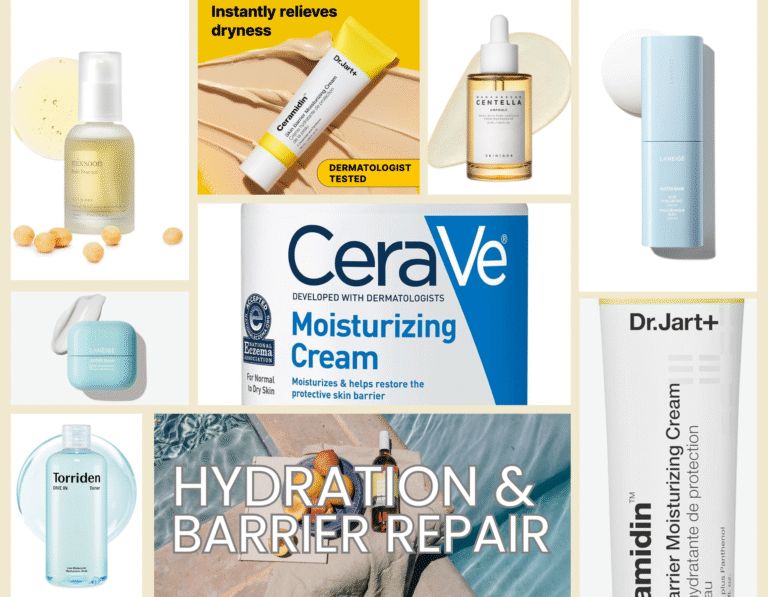
VII. Product Recommendations for a Strong, Healthy Skin Barrier
These are the barrier-supporting essentials I personally trust when the skin becomes sensitized, reactive, or easily irritated.
• Medi-Peel Peptide 9 Volume Bio Tox Cream
Lightweight barrier-repair cream that cushions the skin and smooths post-irritation texture.
• Mixsoon Bean Essence
A gentle enzyme-based exfoliant for resurfacing without irritation.
• Dr. Jart Ceramidin Skin Barrier Cream
Ceramide-rich formula that mimics the skin’s natural lipids and strengthens a weakened barrier.
• Skin1004 Madagascar Centella Ampoule
Calms irritation and reduces redness during flare-ups.
• Torriden DIVE-IN Toner
Restores moisture balance and supports hydration recovery.
• Ma:nyo Bifida Biome Ampoule
Microbiome-supporting ampoule that improves resilience and reduces reactivity.
• Mediheal Hyaluronate Watermide Mask
A cooling, hydrating sheet mask ideal for calming inflamed skin.
• CeraVe Moisturizing Cream
Affordable, non-irritating ceramide formula for daily support.
Affiliate Disclaimer
These are products I personally use during my barrier repair routine. As an Amazon Associate, I earn from qualifying purchases at no extra cost to you.

VIII. Final Takeaway: Skin Barrier Repair Routine
Clear, steady skin starts with understanding what your barrier is trying to express. Sensitivity, sudden redness, and unexpected irritation often appear when your skin is overwhelmed by stress, strong actives, or rapid changes in environment. These reactions don’t mean your skin is weak; they show the barrier is working hard to defend you.
Supporting the barrier with hydration, gentle repair, and a simplified routine helps restore stability. As balance returns, your products work more smoothly, irritation fades, and resilience builds. When you respond to early signs instead of pushing harder, your skin rewards you with calm, consistent strength.
Your skin is resilient. It just needs the right conditions to show it.
With care,
Mijung
✈️ Flight Attendant Tip
On long-haul flights, I always applied a centella or ceramide layer before takeoff. Dry cabin air can pull moisture from the skin, so a soothing barrier-first layer kept irritation down and prevented the flare-ups that usually appeared the next morning.
⭐ Upgrade Your Wellness Routine
📥 BONUS: FREE PDF: Skin Barrier Repair Routine — Quick Fix Guide —save it for your next skincare haul. Stick these on your bathroom mirror, your skincare shelf, or your journal.