

Why Your Digestion Slows Down in Winter (& Why It’s Not Just Food)
Functional Health & Wellness on the Go by by Mijung | Korean Beauty & Flight Attendant Experience
I. Introduction: digestion slows down in winter
When digestion slows down in winter, most people immediately blame food. Heavier meals. Holiday treats. Less movement. While those factors play a role, they’re rarely the full story — and they’re often not the main reason digestion feels sluggish, heavy, or unpredictable during colder months.
Winter changes how the body functions at a deeper level. Cold temperatures, shorter days, disrupted routines, higher stress, and reduced daylight all signal the body to conserve energy. When that happens, digestion naturally slows. Blood flow shifts. Appetite cues change. Gut rhythm becomes less efficient. Even familiar foods can suddenly feel harder to digest.
This is why winter digestion issues feel confusing. You may be eating “normally,” yet feel bloated, uncomfortable, or sluggish after meals. You might notice constipation, slower digestion, or a heavy feeling that lingers longer than usual. These changes aren’t a failure of willpower or food choices — they’re part of how the body adapts to winter conditions.
Digestion doesn’t operate in isolation. It’s influenced by temperature, nervous system state, hydration, circadian rhythm, and overall stress load. When those systems slow down in winter, digestion follows.
In this article, we’ll look at why digestion slows down in winter beyond food alone, how seasonal changes affect gut rhythm, and what actually helps support digestion — and skin — during colder months without forcing the body to behave like it’s summer.
📥 BONUS: “Glow-From-Within Nutrition Tracker – Free Download”
Preview your PDF below and download the free printable at the end of this post!
Stick it to your mirror and carry them.
Quick Jump Guide
Why digestion slows down in winter
How cold weather affects gut rhythm
The role of stress and the nervous system in winter digestion
Why hydration and timing matter more than food alone
Gentle ways to support digestion during colder months
This Guide Is for You If…
Digestion feels slower or heavier in winter
Bloating or discomfort shows up without clear food triggers
Your skin looks dull or reactive during colder months
You feel less hungry some days and overly hungry on others
You want digestion support that works with winter, not against it

II. Why Digestion Naturally Slows Down in Winter
When digestion slows down in winter, it’s not a malfunction. It’s a seasonal adjustment.
The body responds to cold by conserving energy. Blood flow shifts inward to protect vital organs and maintain core temperature. Circulation to the digestive system becomes less efficient, which means digestion naturally slows. This isn’t something you can override with willpower or “better” food choices.
Winter also brings shorter days and less daylight, which affects circadian rhythm. That rhythm plays a direct role in digestion, appetite, and gut motility. When light exposure decreases, the body produces different levels of hormones that influence how quickly food moves through the digestive tract.
On top of that, movement usually drops in winter. Fewer steps, more sitting, and longer periods indoors all contribute to slower digestion. Even subtle changes add up. The result is a digestive system that works, but at a slower pace.
This is why trying to eat and live exactly the same way you do in summer often backfires. The body is operating under different conditions, and digestion follows suit.
Recommended Reading:

III. Why It’s Not Just Food Causing Winter Digestion Issues
Food gets blamed because it’s the most visible factor. But when digestion slows down in winter, food is often just the trigger — not the root cause.
Stress plays a major role. Winter may look quieter on the surface, but stress often increases. End-of-year pressure, financial concerns, social fatigue, disrupted sleep, and emotional load all affect the nervous system. When the nervous system is stressed, digestion becomes less of a priority.
Hydration is another overlooked factor. Cold weather reduces thirst signals, even though the body still loses fluids through indoor heating and dry air. Dehydration slows digestion and makes stools harder and more difficult to pass, which can lead to bloating and discomfort.
Timing matters too. Irregular meals, late dinners, and inconsistent routines confuse the digestive system. In winter, the gut responds better to predictability than variety. Eating at random times can make digestion feel sluggish even if the food itself hasn’t changed.
When these factors stack up — cold, stress, dehydration, and disrupted rhythm — digestion slows regardless of how “clean” or familiar your diet is.
⭐ Recommended Reading

IV. How Slower Digestion Shows Up Beyond the Gut
When digestion slows down in winter, the gut isn’t always the first place you notice it.
Skin is often the earliest signal. Slower digestion affects nutrient absorption, hydration balance, and inflammation levels. This can show up as dullness, dryness, breakouts, or increased sensitivity — even when skincare hasn’t changed.
Energy is another clue. When digestion is inefficient, the body extracts energy from food less effectively. You may feel heavier after meals, sluggish in the afternoon, or experience energy dips that weren’t an issue before winter.
Appetite cues can also become inconsistent. Some days you’re barely hungry, other days you crave heavier foods. This isn’t a lack of discipline — it’s the digestive system adjusting its pace and signaling needs differently.
These signs are often misunderstood as separate problems. In reality, they’re connected. When digestion slows down in winter, it affects the entire system, not just the stomach.

V. Common Winter Habits That Make Digestion Slower
In winter, digestion often slows not because of one big mistake, but because of small, repeated habits that quietly work against the gut.
One common issue is eating later in the day. Shorter daylight hours and longer evenings make late dinners more common, but digestion is naturally weaker at night. When food arrives late, the body struggles to process it efficiently, leading to heaviness, bloating, or disrupted sleep.
Another factor is reduced warmth. Cold drinks, cold foods, and unheated meals can feel refreshing in warmer months, but in winter they require more digestive effort. The body has to warm everything first before digestion can even begin, which adds strain when digestive fire is already low.
Stress also tends to go unnoticed in winter. Even when life feels quieter, internal stress often rises. Less sunlight, more time indoors, and emotional fatigue all keep the nervous system slightly activated. When the nervous system is tense, digestion slows as a protective response.
Finally, inconsistent routines play a role. Skipped meals, irregular timing, or constant snacking disrupt digestive rhythm. In winter, the gut responds best to steady patterns, not constant stimulation.
These habits don’t cause immediate problems, but over time they compound, making digestion feel slower and less reliable.
VI. Supporting Digestion Gently During Winter
When digestion slows down in winter, support works best when it’s warming, rhythmic, and low pressure.
Hydration is foundational, but it often needs to be adjusted for the season. Warm or room-temperature fluids are easier on digestion than icy drinks. Adding gentle hydration support like Electrolytes Powder – Liquid IV can help maintain fluid balance when thirst cues are weaker in cold weather.
Gut balance also matters when digestion becomes sluggish. Probiotics – Physician’s Choice support digestive regularity and gut balance during winter, when stress, travel, and routine disruption often affect digestion and show up as bloating or discomfort.
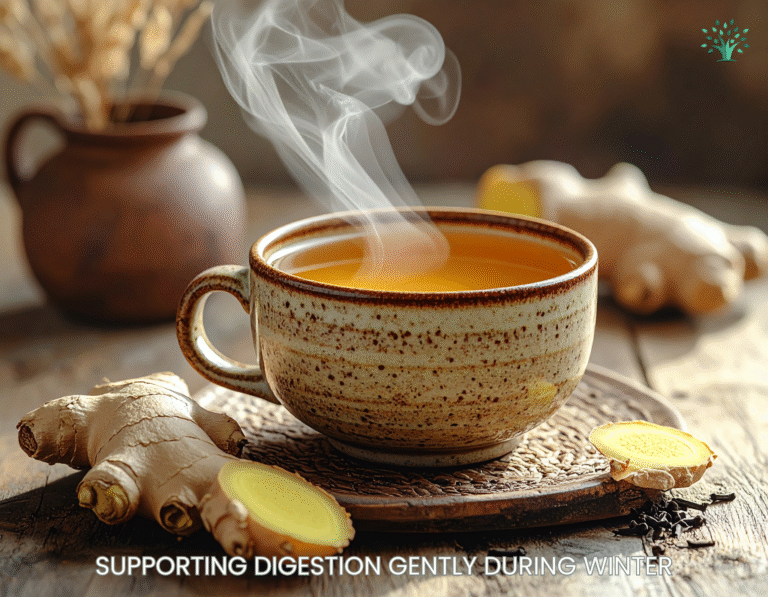
Warmth plays a direct role in digestive efficiency. Something as simple as pausing for Organic Ginger Tea supports digestion by encouraging circulation and signaling the body to shift into rest-and-digest mode. That pause alone often improves how meals are processed.
Stress management is equally important. When the nervous system stays tense, digestion slows. Magnesium Glycinate – Nature’s Bounty supports relaxation and helps reduce the tension that interferes with gut function, especially later in the day.
For days when mental stress affects digestion indirectly, L-Theanine – Horbäach helps calm overstimulation without sedation, allowing the body to stay present during meals rather than rushed or distracted.
If winter stress feels prolonged, Ashwagandha – Horbäach may offer short-term support for stress response, helping digestion recover gradually rather than forcing quick fixes.
Inflammation can quietly slow digestion in colder months. Omega-3 Fish Oil – Nordic Naturals supports gut and systemic inflammation balance, helping digestion feel steadier and less reactive during winter.
These supports don’t override winter physiology. They work with it, making digestion feel steadier and more predictable.
These supports don’t override winter physiology. They work with it, making digestion feel steadier and less reactive.

VII. Why Rhythm Matters More Than Restriction in Winter
Winter digestion improves more from rhythm than restriction.
Strict diets, elimination plans, or aggressive “gut resets” often backfire during colder months. They add stress to a system that’s already conserving energy. Digestion doesn’t need fewer inputs — it needs more predictable ones.
Eating at similar times each day helps regulate gut motility. Sitting down to eat without distraction allows the nervous system to shift into digestive mode. Allowing enough time between meals prevents constant digestive strain.
This is why winter digestion responds better to structure than control. Gentle consistency sends a signal of safety. Safety allows digestion to function more efficiently.
When rhythm returns, many symptoms soften on their own — without cutting out foods or forcing change.
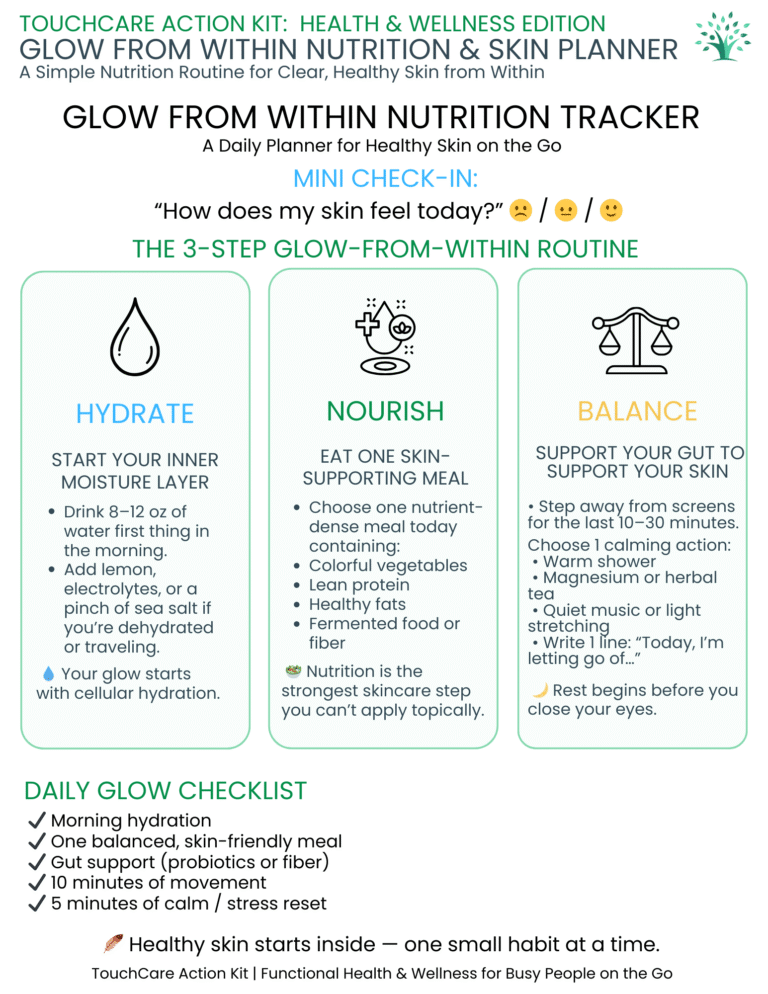
VIII. A Gentle Reset You Can Start Today 📥 FREE PDF
If digestion feels off in winter, the most effective reset is usually the simplest one.
That’s why I use the 📥 Download Free Printable PDF – 1 Page during colder months. It’s not a digestive cleanse or food tracker. It focuses on hydration timing, balanced meals, and gentle daily habits that support digestion while also benefiting skin.
The planner helps reduce decision fatigue. Instead of questioning every food choice, you follow a steady rhythm that supports digestion and nutrient absorption. When digestion improves, skin clarity, hydration, and energy often follow.
This kind of reset works because it respects winter physiology instead of fighting it.
IX. Winter Digestion Support Essentials
When digestion felt slower and heavier in winter, these were the tools that consistently helped support gut rhythm without adding pressure.
- Probiotics – Physician’s Choice — Supports gut balance and digestion consistency, which also plays a role in skin clarity and inflammation.
- Organic Ginger Tea — A warming, food-first habit that supports digestion and encourages the body to shift into rest-and-digest mode.
- Magnesium Glycinate – Nature’s Bounty — Helps relax the nervous system and digestive muscles, especially helpful when stress slows digestion.
- Electrolytes Powder – Liquid IV — Supports hydration when thirst cues are low, helping digestion move more smoothly in dry winter conditions.
- Omega-3 Fish Oil – Nordic Naturals — Supports gut and skin inflammation balance during colder months.
- L-Theanine – Horbäach – Supports nervous system calm without sedation, helping digestion function more smoothly when stress or mental overstimulation interferes with gut rhythm.
- Ashwagandha – Horbäach – Helps regulate the body’s stress response during prolonged winter stress, indirectly supporting digestion when cortisol and fatigue slow gut function.
Affiliate Disclaimer:
As an Amazon Associate, I earn from qualifying purchases. These are products I personally use and trust.

VII. Final Takeaway: Work with winter — and digestion follows.
When digestion slows down in winter, it’s rarely a problem to fix. It’s a signal to listen.
The body is responding to cold, darkness, stress, and slower rhythms. Forcing digestion to behave like it’s summer often creates more resistance. Supporting it gently allows function to return naturally.
Winter isn’t the season for restriction or aggressive resets. It’s the season for warmth, rhythm, and consistency. When digestion is supported this way, energy improves, skin reflects balance, and the body moves through winter with less friction.
Work with winter — and digestion follows.
With care,
Mijung
✈️ Flight Attendant Tip
“When we flew long-haul routes in winter, digestion was always the first thing to feel off — even more than sleep. Cold cabin air, dehydration, irregular meals, and stress slow digestion quickly. What helped most wasn’t eating less, but eating warmer foods, drinking fluids consistently, and keeping simple routines. When digestion stayed steady, skin and energy followed.”
⭐ Recommended Reading
⭐ Upgrade Your Wellness Routine
If this post helped you understand how hydration, nutrition, and gut balance support clearer, calmer skin, you may appreciate the premium Glow From Within Planner I designed to go with it.
It’s a clean, structured 26-page TouchCare Action Kit that includes everything you see here: the 3-Step Glow Routine, Daily Glow Plate Builder, Gut–Skin Support Checklist, Anti-Inflammatory Food Matrix, Hydration Menu, AM/PM Glow Tracker, Weekly Glow Tracking, Skin Reflection Pages, Travel Glow Reset, and a simple system to help you glow consistently — from the inside out.
If you’d like a printable, guided version of this full glow routine, you can find the premium edition on Gumroad.