
Why Winter Sleep Quality Drops — Even If You’re in Bed Longer
Functional Health & Wellness on the Go by Samuel
I. INTROduction on Winter Sleep Quality Drops
Winter sleep quality often drops quietly. You’re in bed longer. You’re trying to rest. Yet you wake up feeling less restored, more groggy, or oddly wired at night. If this sounds familiar, you’re not imagining it.
Many people assume poor sleep means they’re doing something wrong — staying up too late, scrolling too much, or not trying hard enough to wind down. In winter, the issue is rarely effort. It’s rhythm. Shorter daylight hours, colder temperatures, indoor heating, and lingering stress all shift how the nervous system regulates rest. Even when you’re sleeping more, your body may be getting less quality sleep.
This is why winter sleep quality feels different from normal fatigue. Nights can feel lighter. Sleep feels fragmented. Dreams feel restless. Mornings feel slow, even after eight hours. The body is resting, but it isn’t fully recovering.
What makes winter sleep frustrating is that nothing feels obviously broken. Your routine hasn’t changed much. You’re still doing “the right things.” Yet sleep no longer delivers the same payoff. That’s because winter subtly pushes the nervous system toward alertness when it should be powering down.
In this article, we’ll break down why winter sleep quality drops even when you’re in bed longer — and how small, supportive shifts help your body return to deeper, more restorative rest without forcing it.
📥 BONUS: Download the 1-page printable infographic at the end of this post!
Preview your Planner below and download the free 1-page printable at the end of this post!
Stick it to your mirror and carry them. Your full “Sleep Reset Planner“
Quick Jump Guide
• Why winter sleep quality drops even with more time in bed
• How cold, darkness, and indoor living disrupt sleep rhythm
• Signs your nervous system is blocking deep rest
• Common winter sleep mistakes that make nights lighter
• Simple ways to restore winter sleep quality without forcing it
This Guide Is for You If…
• You’re sleeping longer but waking up less refreshed
• Sleep feels lighter or more fragmented in winter
• You feel wired at night and groggy in the morning
• Stress lingers even when your day slows down
• You want deeper, steadier winter sleep without drastic changes

II. Why Winter Sleep Quality Drops Even When You’re in Bed Longer
When winter sleep quality drops, most people assume they need more sleep. So they go to bed earlier, sleep in later, or spend extra time resting. Yet the deeper issue isn’t duration — it’s how the body is cycling through sleep stages.
In winter, shorter daylight hours reduce natural cues that anchor your circadian rhythm. Morning light exposure drops. Evenings get darker earlier. The body struggles to clearly distinguish “day mode” from “night mode,” which weakens the signals that drive deep sleep.
Cold weather adds another layer. The body stays in mild alert mode to maintain temperature, especially if your bedroom is overly heated or fluctuates overnight. That low-grade vigilance can prevent the nervous system from fully powering down, even when you’re physically still.
As a result, winter sleep quality feels paradoxical. You’re resting more, but recovering less. Sleep becomes longer but lighter, leaving you technically rested but biologically undercharged.
Recommend Reading:

III. How the Nervous System Interferes With Winter Sleep Quality
Winter sleep quality is tightly linked to nervous system balance. During colder, darker months, the body subtly shifts toward protection mode. Stress hormones linger longer. The “off switch” takes more time to engage.
Even positive winter stress — holidays, travel, schedule changes — keeps the nervous system slightly elevated. When that elevation becomes the baseline, the body may fall asleep but struggle to stay in deep, restorative phases.
This often shows up as:
• Difficulty staying asleep
• Early morning waking
• Vivid or restless dreams
• Feeling alert too late at night
None of this means your sleep system is broken. It means it’s overstimulated.
When the nervous system doesn’t feel safe enough to fully relax, sleep becomes shallow by design. Winter sleep quality improves not by forcing relaxation, but by gradually signaling safety and predictability again.
Recommend Reading:

IV. Why Pushing Harder Makes Winter Sleep Quality Worse
When winter sleep quality declines, most people respond by tightening routines. Earlier bedtimes. Strict wind-down rules. Cutting caffeine aggressively. Adding multiple sleep tools at once.
Although well-intended, this pressure often backfires.
Sleep isn’t a performance. The harder you try to control it, the more alert the nervous system becomes. In winter especially, sleep responds better to support than discipline.
Over-optimizing bedtime can increase anxiety around sleep. The body begins to associate nighttime with effort instead of release. When that happens, falling asleep may take longer, and staying asleep becomes harder.
The turning point comes when sleep is approached as recovery, not productivity. When expectations soften and rhythms stabilize, winter sleep quality often improves on its own — without adding more rules or effort.
Recommended Reading:
V. Why Winter Sleep Quality Improves When the Body Feels Supported
Winter sleep quality improves when the body stops feeling like it has to stay alert. In colder months, the nervous system quietly stays “on” longer than usual. Darkness arrives earlier, mornings feel rushed, and indoor environments dry the body out in ways we barely notice.
This is why small supports matter. When hydration drops in winter, sleep becomes lighter. Many people notice that adding Electrolytes Powder – Liquid I.V. earlier in the day helps nights feel steadier, not because it’s a sleep aid, but because the body isn’t compensating for dehydration overnight.
The same principle applies to nervous system support. Gentle calming tools work best when they reduce background noise rather than force sleep. Magnesium Glycinate – Nature’s Bounty often helps here, especially when winter tension shows up as shallow sleep or frequent waking. It doesn’t knock you out. It simply helps the body let go.
Winter sleep quality returns when the body feels supported enough to stop guarding itself.
Recommended Reading:

VI. How Stress Hormones Quietly Disrupt Winter Sleep Quality
Winter stress doesn’t always feel dramatic. Often it’s subtle. A lingering sense of alertness at night. A mind that won’t fully power down. Sleep that starts easily but doesn’t stay deep.
This is where adaptogenic and calming supports can make a noticeable difference. Ashwagandha – Horbäach is often helpful when stress lingers into the evening, especially for people who feel tired but wired. It works slowly, supporting cortisol balance rather than forcing sedation.
For nights when the mind feels noisy, L-Theanine – Horbäach can help smooth the transition into rest. Many people notice fewer racing thoughts and less mental looping before sleep, which is often what blocks deeper rest in winter.
Winter sleep quality improves when stress is lowered at the source, not when sleep is pressured.
VII. Why Deeper Sleep Often Returns Before Longer Sleep
One of the first signs winter sleep quality is improving isn’t sleeping longer — it’s sleeping deeper. You may still wake up once during the night, but falling back asleep feels easier. Dreams feel calmer. Mornings feel less foggy.
This is where gentle circadian supports help. Tart Cherry – Carlyle provides natural melatonin support that works with the body’s timing instead of overriding it. Many people notice sleep feels more complete, even if total hours don’t change much.
These changes are subtle but meaningful. The body is repairing again. Recovery is happening.
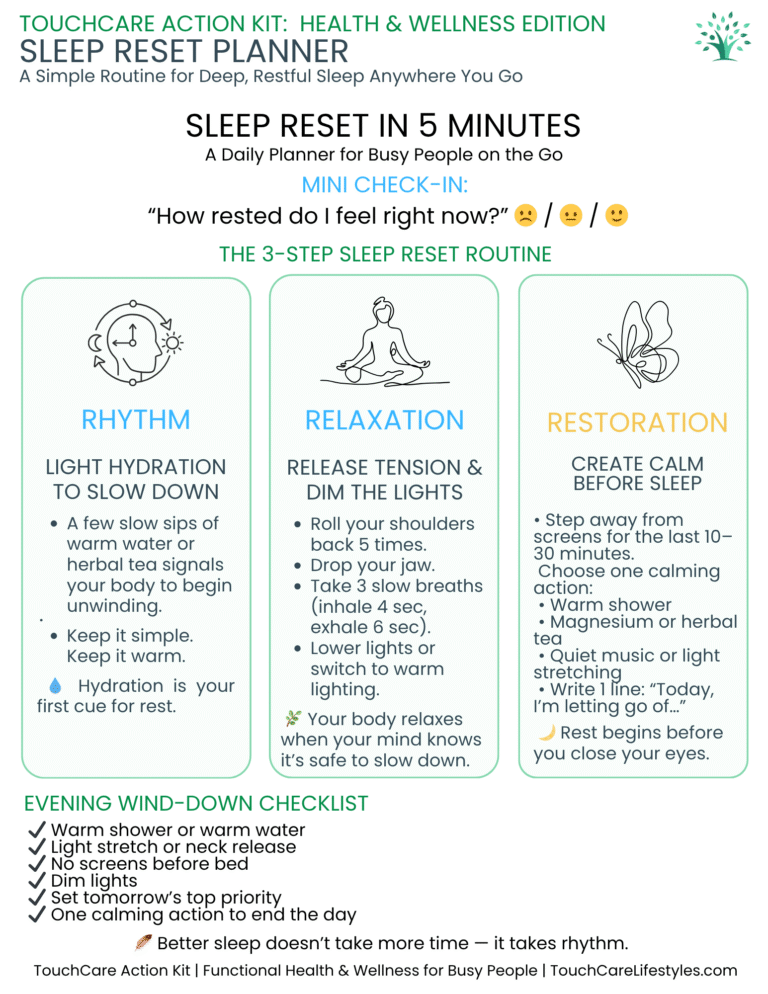
VIII. A Gentle Reset for Winter Sleep Quality (Free PDF)
When winter sleep quality feels unpredictable, doing more usually makes it worse. What helps most is reducing decision fatigue.
That’s why the 📥 BONUS: Download Free “Sleep Reset Planner” PDF focuses on rhythm instead of rules. It doesn’t ask you to overhaul your routine. It helps you repeat a few supportive habits consistently — hydration timing, light exposure, calming cues — so the nervous system can settle.
This kind of reset works because it mirrors how recovery actually happens. When stress lowers and rhythm stabilizes, sleep quality improves without being forced.
IX. Signs Your Winter Sleep Quality Is Recovering
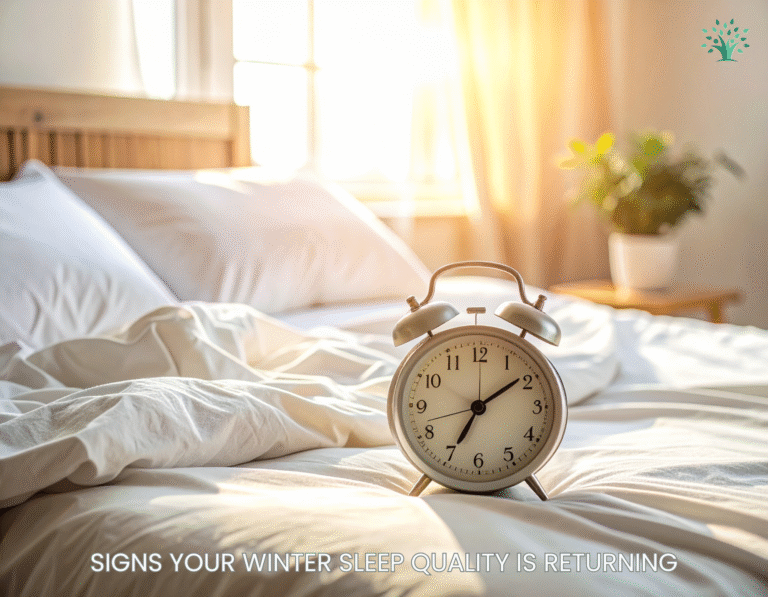
Winter sleep quality rarely returns all at once. Instead, it improves in layers. The first changes are often subtle, but they’re meaningful signs that the nervous system is no longer staying on guard overnight.
You may notice that falling back asleep feels easier, even if you still wake briefly. Dreams become less vivid or chaotic. Your body feels heavier in bed, not tense. Mornings still feel slow, but the sharp grogginess fades faster.
Another key sign is emotional steadiness. When winter sleep quality improves, daytime irritability softens. Small stressors feel more manageable. Energy becomes steadier rather than spiky or depleted.
These signals matter because they show recovery is happening beneath the surface. The body is cycling through deeper sleep stages again. Repair is returning. Sleep doesn’t need to be perfect to be effective — it needs to feel safe and uninterrupted enough for the nervous system to let go.
X. Products That Support Winter Sleep Quality (Used Gently)
Winter sleep quality improves most when supports reduce background strain instead of forcing sleep. The goal isn’t sedation. It’s lowering the quiet stressors that keep the nervous system alert at night.
- Nature’s Bounty Magnesium Glycinate supports muscle relaxation and nervous system calm, which helps when winter tension shows up as shallow or fragmented sleep.
- Carlyle Tart Cherry provides natural melatonin support that works with circadian timing, helping sleep feel deeper without heavy morning grogginess.
- Horbäach L-Theanine helps quiet mental overactivity, especially when thoughts stay active even as the body feels tired.
- Horbäach Ashwagandha supports cortisol balance, which is often disrupted by winter stress and contributes to lighter sleep.
- Liquid I.V. Electrolytes Powder helps restore hydration balance earlier in the day, reducing overnight stress responses linked to winter dryness.
These tools are not sleep shortcuts. They work best when paired with rhythm, consistency, and realistic expectations. Used gently, they help the body feel supported enough to release into deeper rest.
Affiliate Disclaimer:
As an Amazon Associate, I earn from qualifying purchases at no extra cost to you. These are products I personally use and trust.
XI. Final Thoughts - Support the body. Let sleep return.
Winter sleep quality drops because winter quietly changes the rules. Less daylight, colder temperatures, indoor living, and accumulated stress all push the body toward vigilance instead of recovery.
When sleep feels lighter or less refreshing, it isn’t a failure of discipline. It’s a signal that the nervous system needs steadier cues, gentler support, and predictable rhythm.
The path back to deeper rest isn’t forcing earlier bedtimes or stacking more sleep tools. It’s restoring safety and consistency so the body no longer feels the need to stay alert through the night.
Sleep returns when pressure is removed and support is added thoughtfully.
Support the body. Let sleep return.
With care,
Samuel
⭐ Upgrade Your Wellness Routine
If this guide helped you build a calmer nighttime rhythm, you may appreciate the premium Sleep Reset Planner I created to go with it.
It’s a clean, structured 24-page TouchCare Action Kit that guides you through the same steps I use: a 5-minute nightly wind-down, sleep disruptor check-ins, breathing routines, light & environment setup, daily AM/PM sleep tracking, a weekly rhythm map, and a simple system to help you fall asleep easier and wake up more rested.
If you’d like a printable, guided version of this sleep routine, you can find the premium edition on Gumroad.
📌 Related posts from Our Blogs: