
Travel Far, Live Well Shenzhen Travel Wellness
LifeStyle Wellness on the Go by Samuel
I. Intro: The Fast Pace of Shenzhen
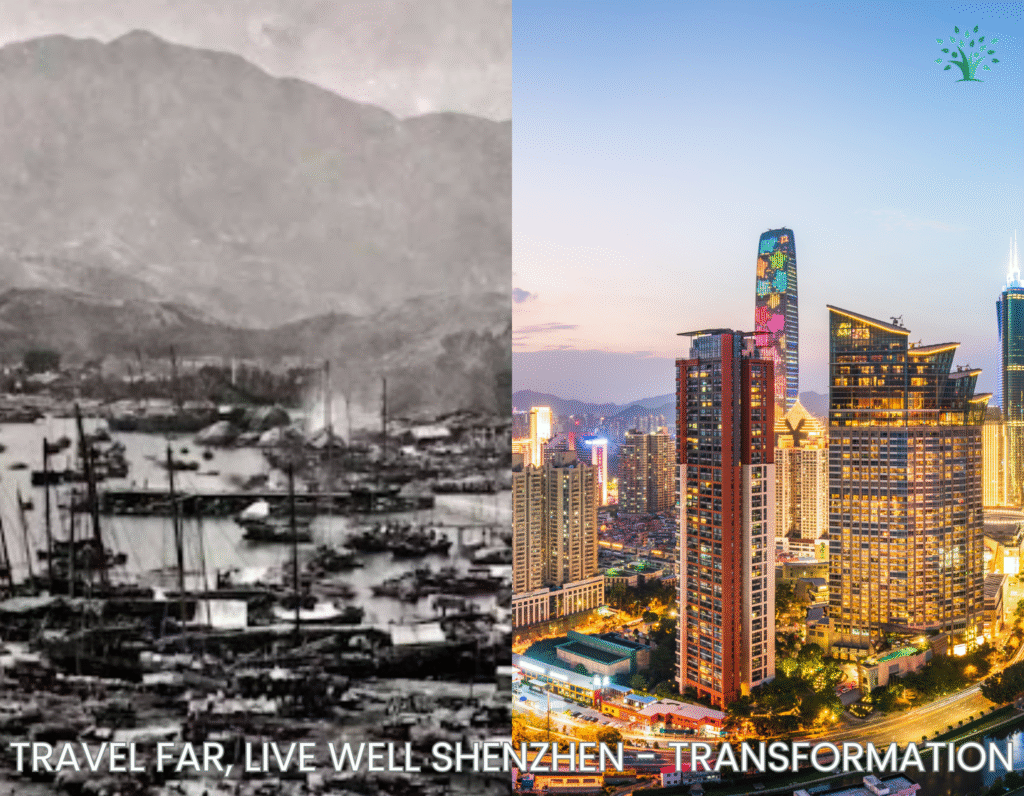
When I first visited Shenzhen in the mid-1990s, it wasn’t the global powerhouse you see today. Back then it was a small dirt-road town across the border from Hong Kong, where many of our electronics and IT suppliers had their factories. For the first seven years, I commuted from Hong Kong, then later I began flying directly into Bao’an airport and staying in Shenzhen itself. That’s when I learned the importance of Shenzhen travel wellness—because this city’s pace, climate, and lifestyle can push any traveler to their limits.
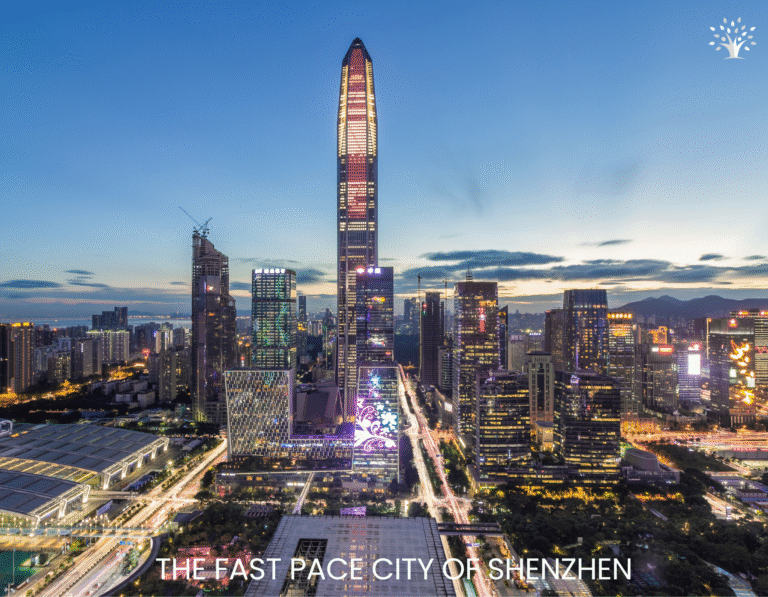
Fast-forward to now, and Shenzhen has transformed into a fast-paced metropolitan hub—the Silicon Valley of China. The city moves at lightning speed, and it will destroy you if you don’t pace yourself. Hot humidity, heavy traffic, sometimes bad air, factory visits that run late into the night, and yes—even spoiled food in summer—can all wear you down fast.
I learned the hard way to be cautious about food. I don’t eat street food unless I know the vendor—after a couple of bad experiences, I got sick enough to spend days stuck in bed. My westernized stomach sometimes struggles with greasy local dishes, so I carry protein snacks and bars for long days when I’m out on the road visiting suppliers. Hydration is critical here, but so is mental pacing. Shenzhen travel wellness means keeping both your body and mind balanced in the middle of the rush.
Still, I love Shenzhen—its people, culture, and food. I’ve walked side streets where locals gather, and I’ve wandered the glittering high-rise downtown. I’ve run laps around lakes in its vast green parks. And beyond business, I’ve built routines that helped me stay energized, recover faster, and keep a clear mind while working in one of the most dynamic cities on Earth.
In this blog, I’ll share the Shenzhen travel wellness habits that worked for me—from smart eating and hydration to stress resets and mental healing. If you’ve ever worried about keeping up in a city that never slows down, these tips will help you not just survive Shenzhen—but enjoy it.
📥 BONUS: Download the 1-page printable infographic at the end of this post! Stick it to your mirror and carry them. Your full Free International Travel Wellness Guide & Hacks.
ii. Smart Eating & Fueling for Shenzhen travel wellness
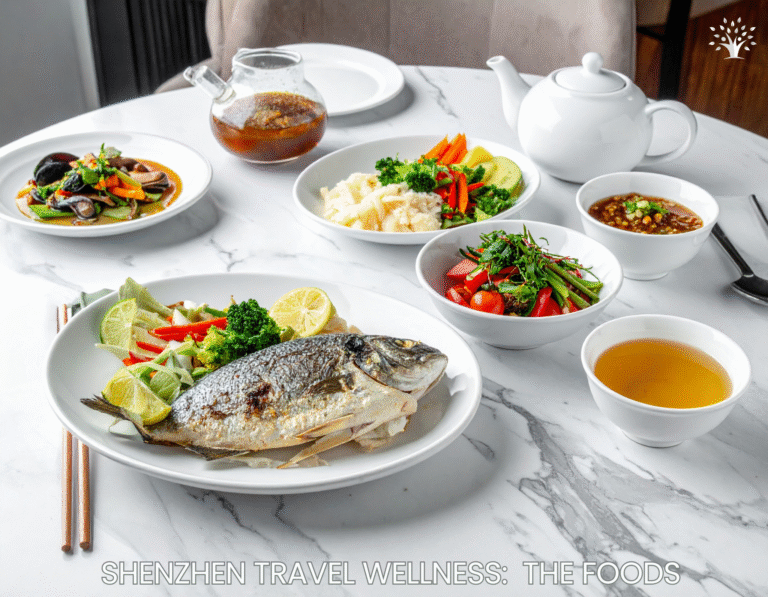
Food is one of the best parts of traveling, but in Shenzhen, I quickly learned that eating well is also about staying safe and balanced. Over nearly 20 years of going there almost every month, I developed my own system for finding meals that kept me energized without taking unnecessary risks.
The first step was simple: I would always survey the restaurants near my hotel with a local guide or business partner. In a city this large, there’s no shortage of options—but not all are created equal. Once I found a clean, organized place with consistent quality, I made it a habit to return. Over 10–15 years, those restaurants became my regular spots, and I got to know the owners and waitresses personally. That sense of trust mattered, especially when my schedule was packed and I couldn’t afford to lose days to food poisoning.
For me, the rule of thumb in Shenzhen was the same as in business: a clean, organized restaurant was as good a sign as a clean, organized warehouse at a manufacturer. It almost always meant attention to quality. Later, I also started checking local apps for ratings before trying somewhere new, which confirmed whether a place had a good reputation.
Whenever possible, I leaned toward Taiwanese and Japanese-owned restaurants. In my experience, they were consistent, reliable, and often served lighter food that was easier on my stomach compared to heavy, oily local dishes. And for long days visiting suppliers, I always carried protein snacks and bars as a backup—because sometimes it could take hours before getting back to a proper meal.
Eating this way wasn’t about being picky—it was about Shenzhen travel wellness. The city can push you hard with late nights, long meetings, and summer heat, so what you put in your body directly affects how well you handle the pace. By sticking to my system, I could enjoy the food culture while keeping my energy steady and avoiding setbacks.
Recommended Reading:
iii. Tech City Stress, Body Balance
Shenzhen is known as the Silicon Valley of China, and that nickname is well deserved. The pace of business here is relentless. Days often started early with supplier visits and stretched late into the night in factories or R&D labs. Add in the humidity, traffic, and occasional poor air quality, and even seasoned travelers can feel worn down after a few days.
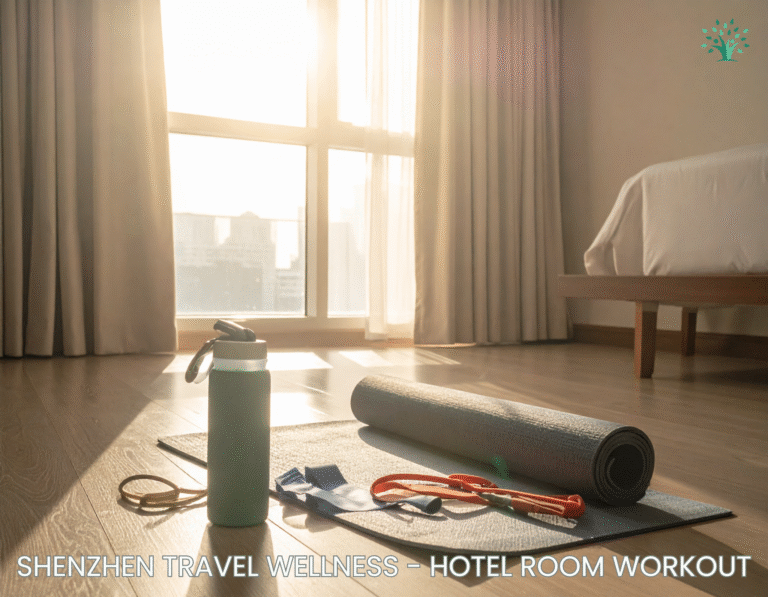
I realized quickly that if I didn’t create my own rhythm, Shenzhen would dictate it for me—and I’d end up exhausted. For me, Shenzhen travel wellness meant building balance into the chaos. That started with hotel-room workouts. Many of the hotels outside downtown had fitness centers, but they rarely opened before 8 a.m., and I couldn’t afford to lose that much time before meetings. So I created my own 30–60 minute routine: push-ups, bodyweight squats, back stretches, jumping jacks, and bridges. It wasn’t fancy, but it got my blood flowing, loosened the stiffness from long flights, and kept me grounded before the day began.
During the day, I relied on micro-breaks to reset my body. Even five minutes of stretching in a quiet corner of a factory, or slowing down my breathing between back-to-back meetings, made a huge difference. Carrying electrolyte powders also became non-negotiable. The combination of heat and long hours could dehydrate you before you noticed, and hydration packs kept my energy steady when bottled water wasn’t enough.
The key lesson? You don’t have to slow Shenzhen down—you just need to find balance inside the speed. By sticking to simple body resets, I could handle the long days without losing my edge.
Recommended Reading:
iv. Cultural Balance & Mind Reset
For all of Shenzhen’s speed and energy, what kept me grounded were the moments when I stepped away from the chaos. Shenzhen travel wellness isn’t just about food and fitness—it’s also about finding ways to reset your mind in a city that rarely slows down.
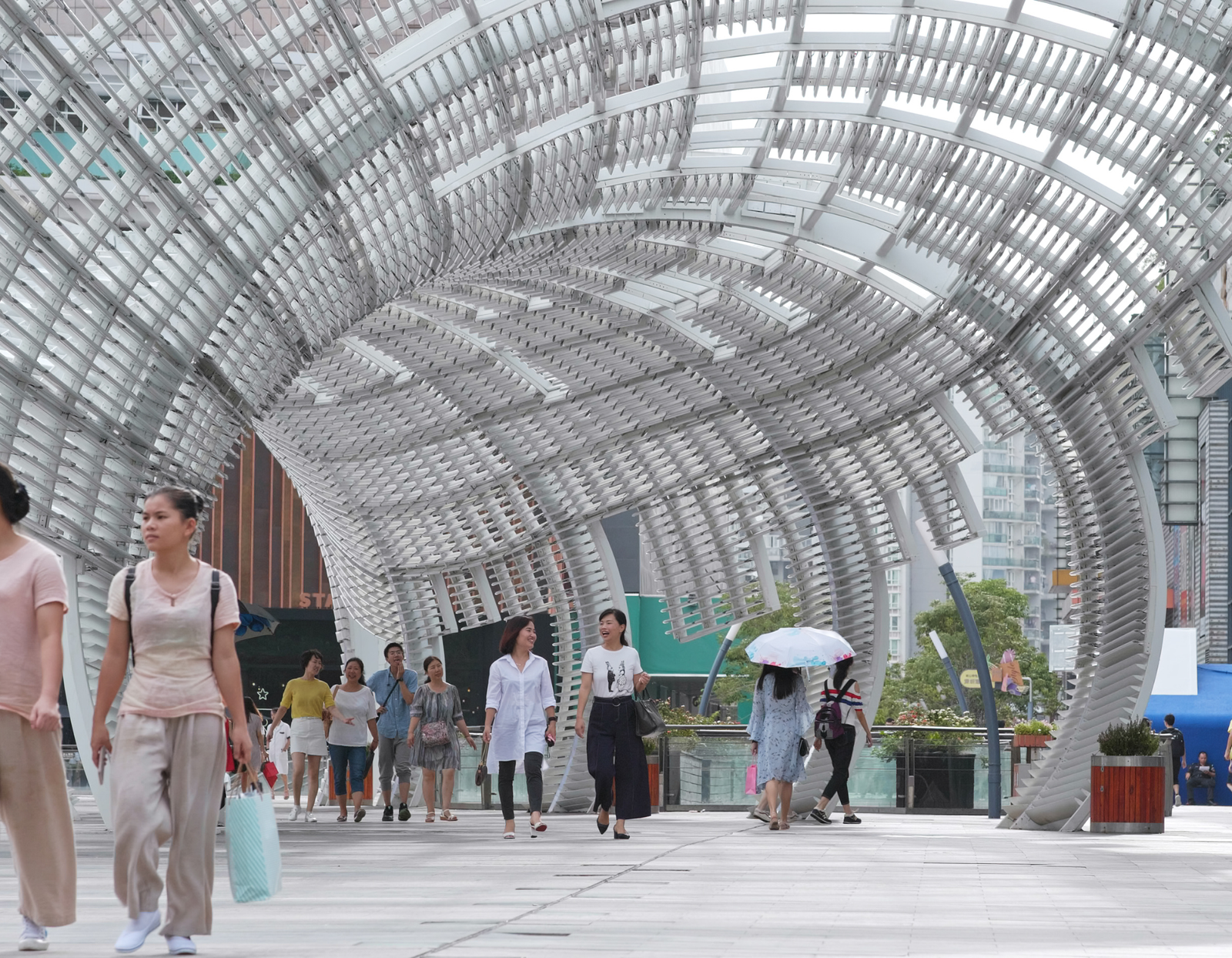
Some of my best resets came from exploring the cultural side of the city. I spent evenings walking through Shenzhen’s large parks with lakes, watching locals dance, run, or simply gather to relax. Those walks cleared my head after long hours in factories and gave me a taste of everyday life that I couldn’t find inside a hotel or office.
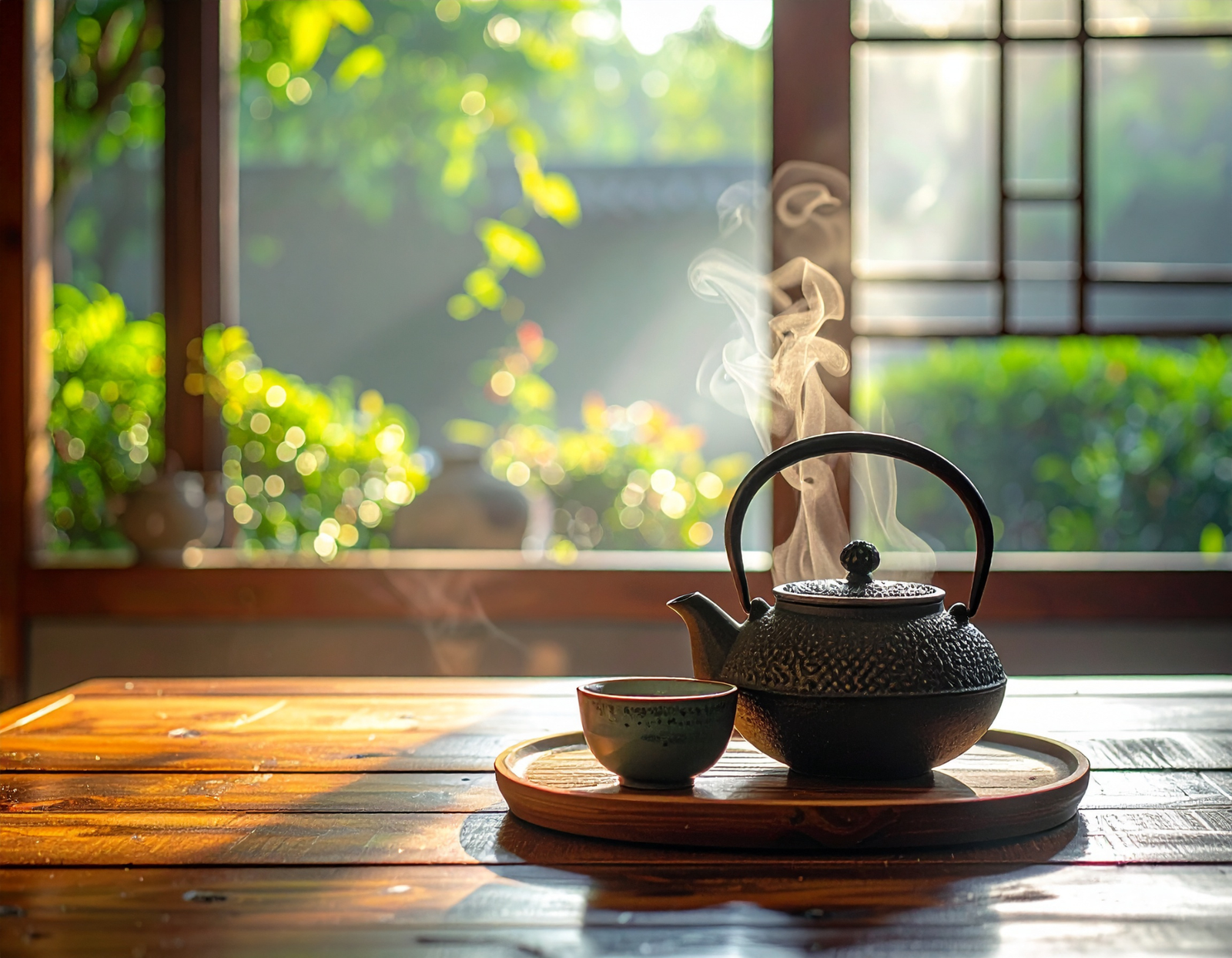
I also leaned into tea culture. Sitting in a tea house wasn’t just about drinking tea—it was a ritual that forced me to pause. Pouring, waiting, sipping slowly—it became a form of meditation that balanced out the high-pressure pace of business meetings.
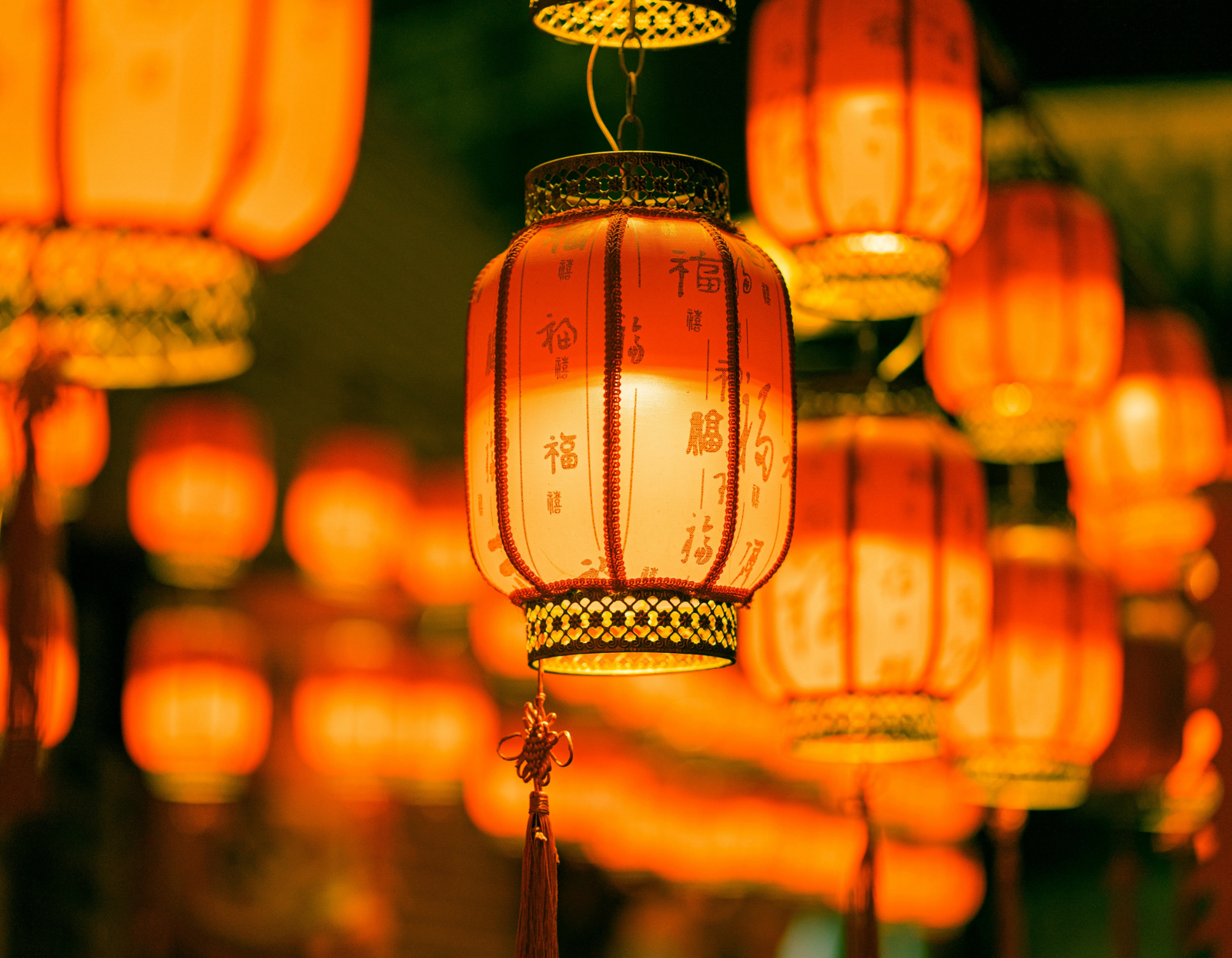
And when I really needed to step back, I’d visit temples or green escapes like Lotus Hill. The combination of quiet, history, and open space was the opposite of Shenzhen’s tech-driven rush. Even just an hour in those places gave me more mental clarity than any late-night bar could.
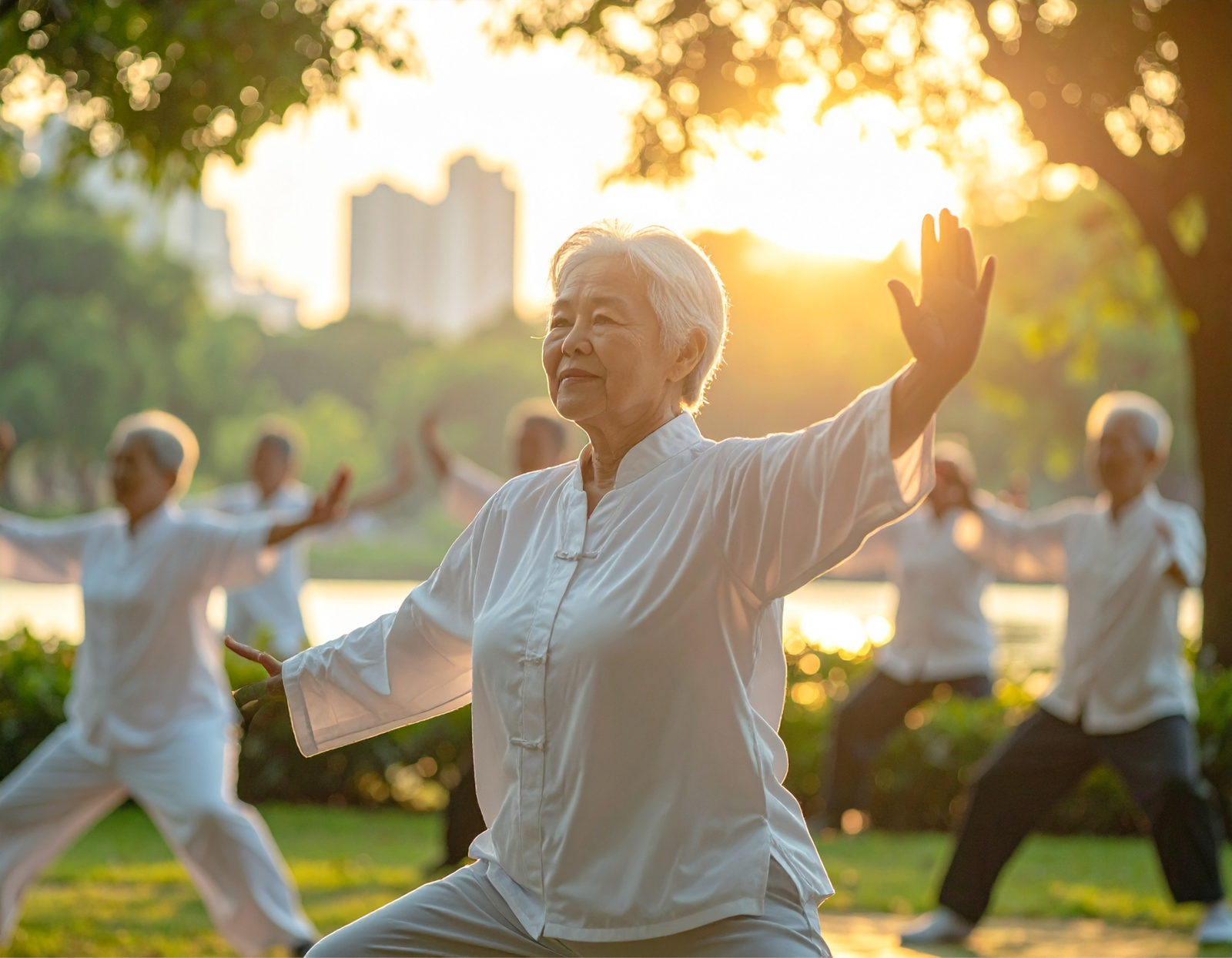
One of the most fascinating resets I’ve seen in Shenzhen is watching groups of older Chinese practicing Tai Chi in the parks at sunrise. It looks simple, but try it and you’ll see how much balance and patience it requires. Moving slowly, with intention, is its own kind of meditation—a reminder that wellness doesn’t always mean speed or intensity. Those slow movements taught me to start the day with calm focus before stepping into Shenzhen’s fast pace.
The truth is, traveling and working in Shenzhen can be stressful. But by weaving in these cultural resets—tea, parks, temples, and even Tai Chi—you create a rhythm that keeps both your body and mind steady. That balance is what makes the difference between leaving Shenzhen drained and leaving it energized.
v. Food & Culture Resets in Shenzhen
Wellness isn’t only about workouts and hydration—it’s also about how you experience food and culture in a city. Shenzhen may be famous for factories and fast-paced business, but it also offers moments of balance if you know where to look.
When it came to food, I stuck to the same rule I used in business: clean and organized wins every time. Dim sum teahouses were a safe bet for lighter meals, and claypot rice or steamed fish gave me fuel without weighing me down.
Over the years, I leaned heavily toward Taiwanese and Japanese-owned restaurants. The Taiwanese places were often vegan-focused, and they amazed me with how they could recreate classic Chinese dishes using soy-based proteins. The food looked and tasted like meat, but it was all made from beans and plant ingredients—lighter, easier to digest, and still satisfying. Japanese restaurants were another favorite because the dishes were generally less greasy than traditional Chinese fare, which gave my stomach a break during long trips.
To be clear, Chinese food is fantastic—flavorful, diverse, and unforgettable. But when you’re in Shenzhen as often as I was, variety matters. Switching between Chinese, Taiwanese vegan, and Japanese meals gave me balance and kept my energy steady while still enjoying the full spectrum of food the city had to offer.
Shenzhen also came alive through its culture. On nights when the noise and pace were overwhelming, I’d walk through Lianhuashan Park or circle one of the city’s many lakes for peace and fresh air. Some afternoons I’d reset at OCT Loft, sipping coffee among art studios, or in a tea house, where the ritual itself became a form of meditation. And when I wanted something deeper, Hongfa Temple inside Fairylake Botanical Garden was my reset button—a place of silence and perspective far from the traffic and neon.
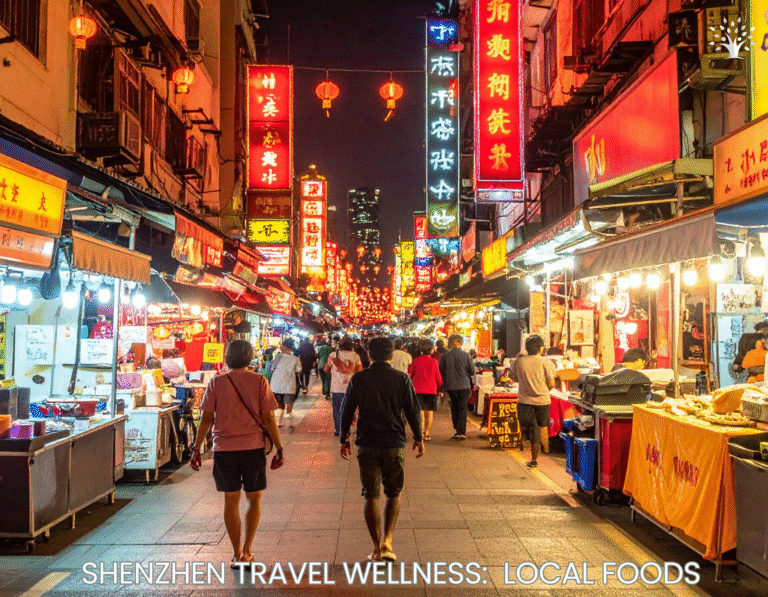
One of my most memorable nights was when I booked a local GoWithGuide tour and spent hours walking Shenzhen’s night streets. My guide led me into food stalls and hot spots I would never have found on my own. Having someone local not only kept me safe but also opened doors into the culture that I’d missed before. It reminded me that even in a fast-paced tech city, you can slow down long enough to enjoy simple pleasures—good food, quiet walks, and conversations with people who know the city best.
These resets weren’t sightseeing for me—they were Shenzhen travel wellness in practice. Food, culture, and quiet moments all became part of how I stayed energized in a city that can easily overwhelm.
vi. My Shenzhen Travel Wellness Routines
After so many years of traveling to Shenzhen almost every month, I realized that having a personal routine was the difference between thriving and burning out. For me, Shenzhen travel wellness wasn’t just theory—it became a rhythm I lived by every time I landed.
My day usually started before sunrise. Since many hotel gyms outside the city center didn’t open until 8 a.m., I kept my workout simple with a short bodyweight routine in the room before heading to meetings. It wasn’t fancy, but it gave me energy and protected my back after long flights.
Hydration was the next non-negotiable. I carried electrolyte powders in my bag everywhere I went. Between the humid heat, factory floors, and hours in traffic, plain bottled water often wasn’t enough. Rehydrating properly kept my focus sharp and prevented that drained, heavy feeling that can ruin a work trip.
Food was always a balancing act. I carried protein snacks and bars for the long road trips to suppliers, and I stuck to the restaurants I trusted—places I had built relationships with over years of visits. Knowing I had safe, clean meals at the end of the day gave me peace of mind and consistency.
And just as important as the physical side was the mental reset. I always made time for an evening walk in a park or a quiet tea session. Shenzhen is also incredibly noisy—people, traffic, constant honking. To reset, I often carried earplugs, closed my eyes, and practiced five to ten minutes of simple breathing meditation. Breathing in and out slowly, sometimes talking quietly to myself, gave me a release that no amount of coffee could match.
vii. Sauna Recovery in Shenzhen
One of my favorite discoveries in Shenzhen was the high-end saunas. These weren’t small steam rooms tucked away in hotels—they were massive wellness complexes, sometimes four floors full of saunas, food courts, and relaxation lounges, open 24 hours. People would spend entire days there, and some even slept overnight instead of booking a hotel.
After a long week of factory visits and late-night meetings, a sauna visit gave me one of the best recovery experiences I’ve ever had. Sweating, eating, napping, and letting the body recharge—it was wellness at its most practical and enjoyable.
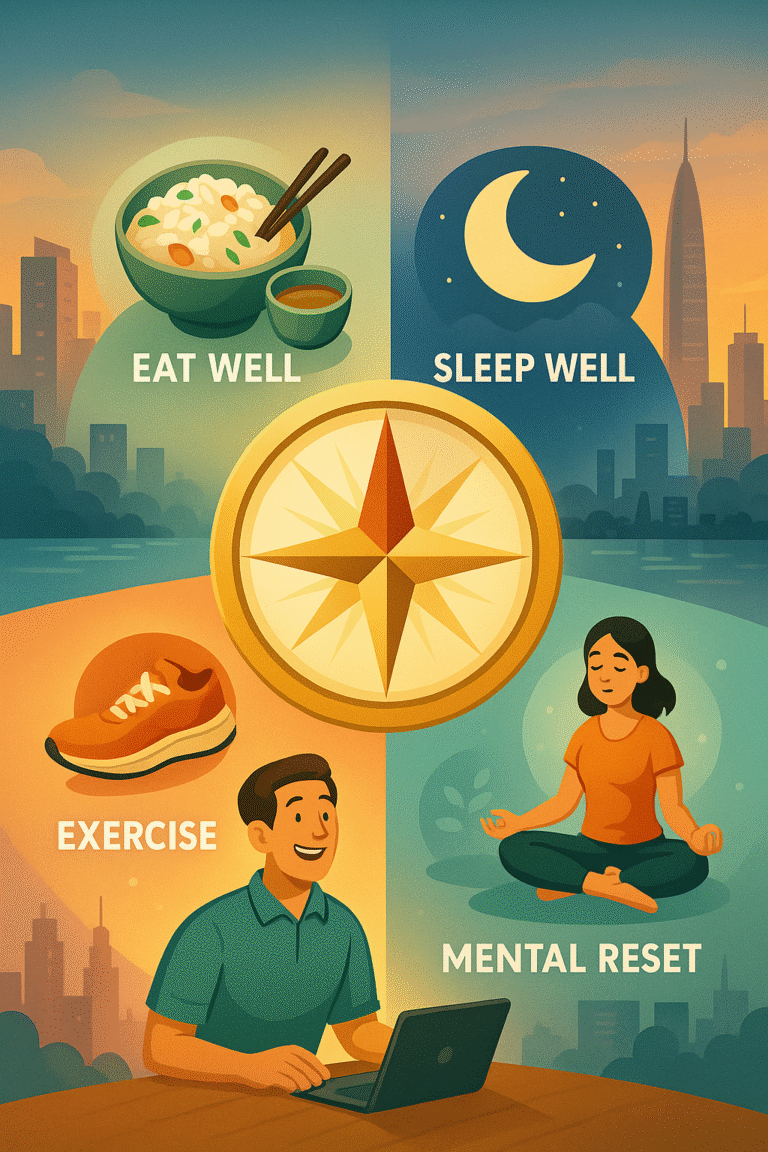
Those four pillars—eat well, sleep well, exercise, and mental reset—became my wellness compass in Shenzhen. They kept me steady no matter how fast the city moved.
viii. My Shenzhen Travel Wellness Routines
If you’re wondering what I actually carried to survive nearly 20 years of monthly trips to Shenzhen, here’s the wellness kit that kept me balanced in one of the world’s fastest-moving cities:
Alka-Seltzer Original Effervescent Tablets – My gut-defense secret for long dinners and fast recovery.
Horbäach Echinacea Goldenseal Capsules, 1400mg, 300 Count – Immune support that kept me strong through endless trips.
AG1 Greens Powder Refill Pouch – Daily nutrition and energy boost when travel meals weren’t enough.
Liquid I.V. Hydration Multiplier – Rapid hydration to fight off dry cabin air and jet lag.
Blackout Sleep Mask – Essential for sleeping on planes and in bright hotel rooms.
Reusable Silicone Earplugs for Noise-Canceling Sleep – My #1 sleep tool to block out noise in planes, hotels, or anywhere.
Nature Made Magnesium Glycinate 200 mg – Helps relax muscles and support deep rest on restless nights.
Evian Facial Spray (1.7 oz Travel Duo) – Instant hydration in the air to beat desert-dry cabins.
Orgain Organic Vegan Protein Powder – Clean protein for fuel on the go when meals were rushed or skipped.
These weren’t luxuries; they were survival tools. In Shenzhen, the rhythm was always the same: move, sweat, hydrate, reset. Electrolytes and hydration sprays kept me upright in the heat, magnesium and earplugs made sure I truly rested, and protein snacks fueled me when meals weren’t reliable. With this kit, I could enjoy evenings in the parks, survive long days in the R&D labs, and still wake up ready for the next morning’s meetings.
Affiliate Disclaimer
To make your choices easier, I’ve included the products I personally recommend throughout this article. As an Amazon Associate, I earn from qualifying purchases. These are the exact tools and wellness staples I trust in my own routine, and I only suggest them because they’ve worked for me.
ix. ✍️ Quick Guide: Shenzhen Travel Wellness
Think of these as small adjustments that made a big difference in my 20 years of near-monthly trips:
Eat to Fuel & Build Immunity – Choose clean, trusted restaurants, carry snacks, and lean on protein or greens powders when meals were unreliable. I never skip my core supplements: Vitamin C, Liquid I.V. Hydration Multiplier, and Echinacea & Goldenseal – Horbäach. They help me stay strong even with packed schedules.
Sleep to Recover – Use a mask, magnesium, and earplugs to block out noise and reset in hotels that aren’t always built for rest.
Exercise to Stay Anchored – Short in-room workouts replaced gyms that opened too late; even 30 minutes of movement made every day better.
Mental Resets for Balance – Parks, tea houses, and five minutes of breathing meditation with earplugs gave me clarity in one of the noisiest cities in the world.
Recommended Reading:
x. Final Takeaway: shenzhen travel wellness
Shenzhen has always been a city of extremes. I’ve seen it grow from dusty roads and factory towns in the 1990s into a fast-paced, global tech capital. The energy is exciting—but it can also be overwhelming. Without a plan, the pace, heat, traffic, and long hours will drain you before you know it.
That’s why Shenzhen travel wellness became my personal anchor. It’s not about slowing the city down—it’s about finding balance inside the motion. For me, that meant eating smart, staying hydrated, carving out moments for body resets, and making time for mental recovery in parks and tea houses.
Looking back on two decades of near-monthly trips, I realize those simple habits made all the difference. They let me stay sharp in business, enjoy the culture, and build real connections with people in Shenzhen—without burning out.
If you’re traveling here, don’t just brace yourself for the speed. Build your own wellness rhythm. With the right balance, Shenzhen isn’t just a place you survive—it’s a city you’ll carry with you long after you leave.
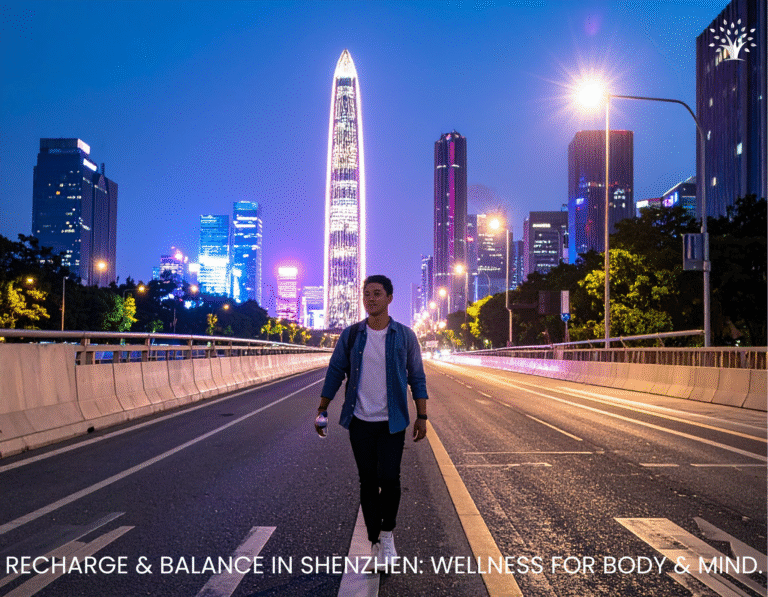
Recharge and balance in Shenzhen: wellness for body and mind.
✈️ Next stop, Incheon Airport Seoul — more than a gateway, it’s a lesson in travel wellness where global connections meet the art of recovery.
With care,
Samuel
📥 BONUS: Download the 1-Page International Travel Wellness Guide
This simple PDF puts my Travel Wellness Routines + Jet Setter Hacks into one page you can actually use.
✈️ Print it and keep it in your carry-on, or save it to your phone for quick access during your next long-haul flight.
👉 Covers: sleep, food, supplements, gut defense, in-flight hydration, packing hacks, and micro rituals to keep you energized.
📌 Related posts from Our Blogs:
✨ GoWithGuide – My Trusted Travel Shortcut
When I want to Travel Far Live Well, time is my most valuable resource. I’ve used GoWithGuide in Tokyo, Seoul, Shenzhen, and even Rome, and the difference was clear: less stress, more local culture, and the freedom to focus on wellness instead of logistics.
Whether you’re on a tight schedule, traveling solo, or just want to dive deeper into authentic neighborhoods, a private guide helps you maximize every hour. It’s one of the simplest ways to balance exploration with recovery so you leave with energy—not exhaustion.