
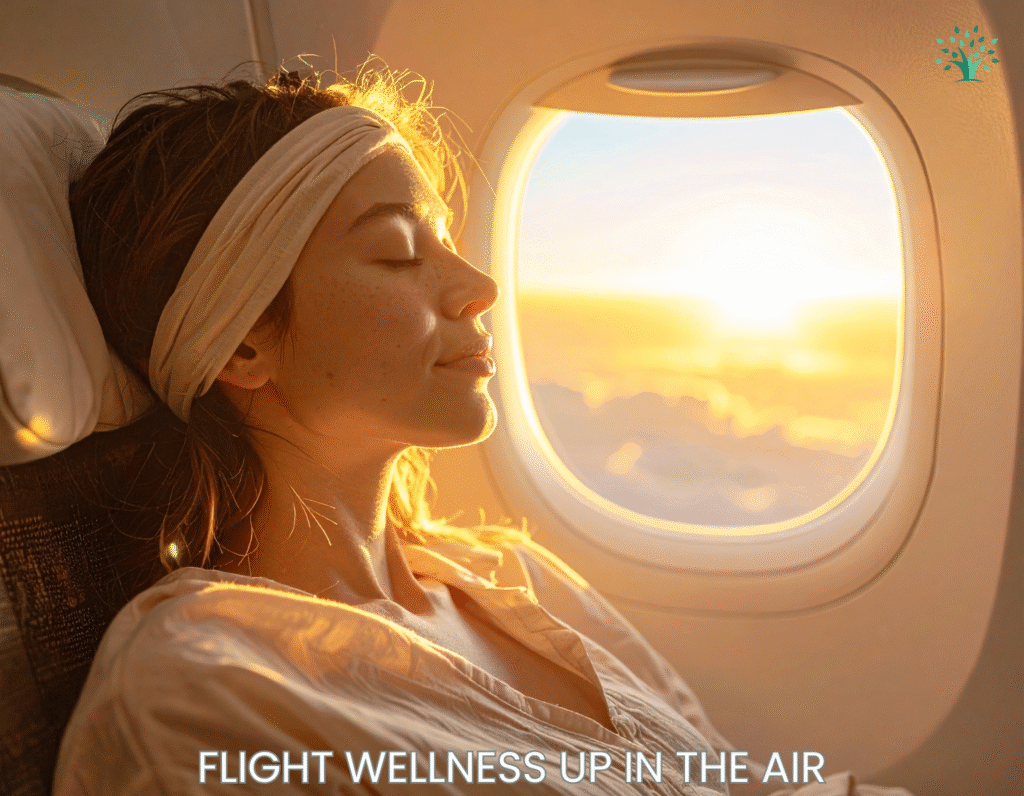
Travel Far, Live Well: Flight Wellness Up in the Air
LifeStyle Wellness on the Go by Samuel
I. INTRODUCTION – Why Flight Wellness Up in the Air Matters
If you’ve ever landed from a long flight feeling drained, bloated, or foggy, you already know that being 35,000 feet up can take more out of you than just time zones. The air is dry, space is tight, and your body’s rhythm has no idea what day it is. Over the past two decades, I’ve taken millions of miles of international flights, testing every possible way to stay sharp and recover faster. What I share here isn’t theory — it’s a field-tested routine for flight wellness up in the air, built from real experience across hundreds of long-haul routes.
When people talk about travel wellness, most focus on where to stay or what to eat once you arrive. But for me, the real recovery starts in the air. Your body doesn’t care how nice your hotel gym is if you’ve already wrecked your hydration, immune balance, and sleep before landing. Functional health in the sky is about setting up the right conditions — even in the smallest seat — to rest, reset, and land strong.
In this post, I’ll break down exactly how I manage flight wellness up in the air from departure to touchdown. You’ll learn how to prep before takeoff, what to avoid while flying, and how to create a simple, evidence-backed system that helps you sleep, eat, move, and recover better. These are the same habits that keep me balanced after thousands of hours in the sky — tested, refined, and easy enough for anyone to apply on their next trip.
📥 BONUS: Download the 1-page printable infographic at the end of this post! Stick it to your mirror and carry them. Your full Free International Travel Wellness Guide & Hacks.
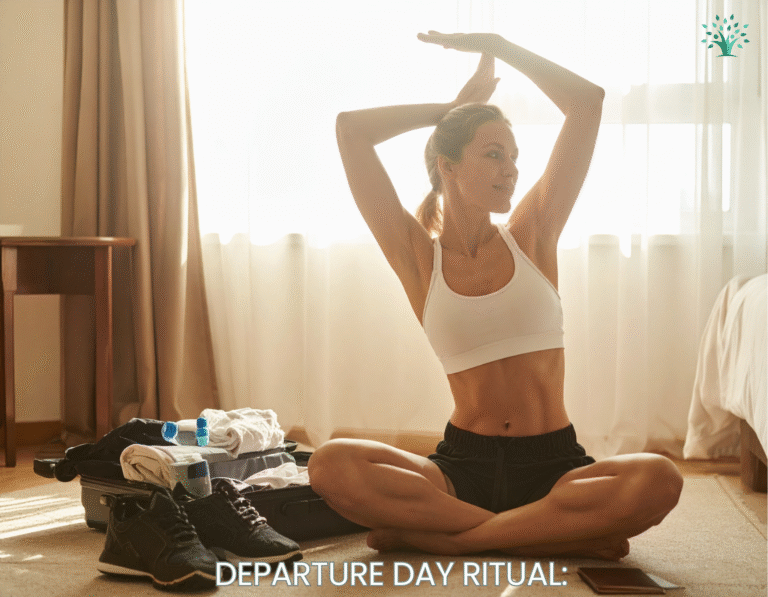
II. DEPARTURE DAY RITUAL – How I Prepare Before Takeoff
Every flight begins long before the plane leaves the ground. I’ve learned that the quality of your trip often depends on how you spend the 24 hours leading up to it. For me, departure day isn’t about rushing to the airport — it’s about setting my body up for recovery while I’m still on the ground. This is where flight wellness up in the air really begins.
On the day I fly home from an overseas trip — let’s say from Schiphol back to LAX — I make it a priority to move. I hit the gym early, even harder than usual, to drain that last bit of energy and tension. The goal is to arrive tired enough that my body welcomes rest once I’m airborne. Light stretching afterward and a proper meal keep me centered before heading to the airport.
I also eat cleaner and lighter on departure days. A high-protein, low-sodium meal with plenty of water and no alcohol makes a big difference once you’re in the air. It stabilizes your blood sugar, keeps your digestion steady, and reduces that heavy post-flight fatigue. Mentally, I treat this ritual as my “reset” — one that helps me leave the destination behind and prepare my system to recover at altitude.
Even at the gate, I avoid distractions. I walk, hydrate, and clear my mind. Once I board, the hard work is already done — my body is ready to rest, not fight the pressure changes or fatigue that hits most travelers midair. That’s the real key: preparing on the ground so your time in the sky feels restorative instead of draining.
The next step is where everything comes together — how I manage hydration, sleep, and movement once I’m up in the air.
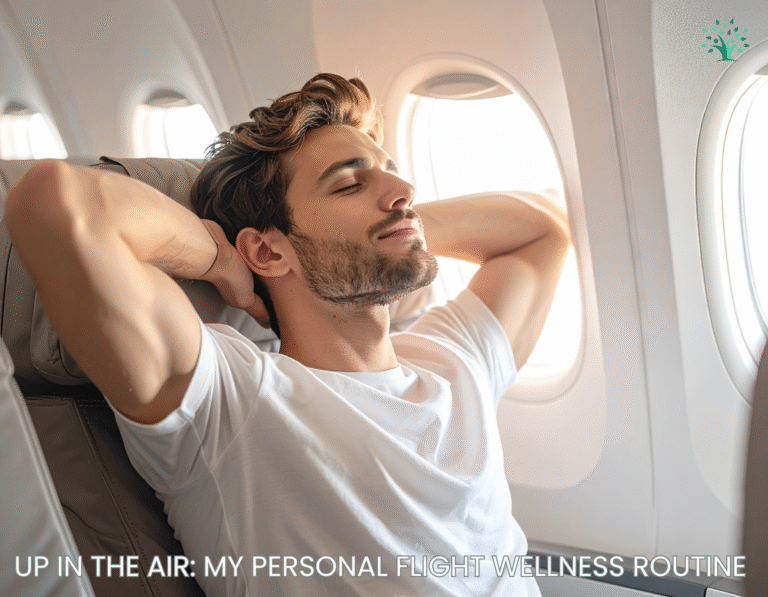
III. UP IN THE AIR – My Personal Flight Wellness Routine
Once you’re on the plane, your goal is simple: stay balanced in an environment designed to do the opposite. Every flight tests your hydration, sleep rhythm, and immune system. That’s why flight wellness up in the air is about managing small, deliberate habits that pay off hours later when you land.
Hydrate the smart way.
I always bring my own refillable bottle and make sure it’s within reach. Airplane humidity levels can drop below 20%—drier than most deserts—which means you lose water faster than you can drink it. I sip steadily through the flight instead of gulping at once. Too much water too fast means too many bathroom runs, which breaks your rest. I also keep lip balm and a small facial mist close by to protect against cabin dryness.
Skip caffeine and alcohol.
Even one coffee or glass of wine can sabotage your recovery mid-air. Caffeine dehydrates you and delays melatonin release. Alcohol might make you sleepy at first, but the rest it gives is shallow—you wake up groggy, not restored.
Move and stretch.
Circulation is the unsung hero of long-haul wellness. I do simple in-seat stretches every hour: slow neck rotations—left, right, up, and down—and circular shoulder rolls to loosen tension and keep blood flowing. I’ll occasionally stand near the galley for light calf raises or ankle rolls. These small movements prevent stiffness, boost oxygen flow, and keep me grounded through hours of sitting.
Keep things clean.
Airports and airplanes mean tight spaces and hundreds of shared surfaces. I always carry sanitizing wipes to clean tray tables, armrests, and my seatbelt buckle. It’s a simple ritual that helps maintain focus and calm—especially when you’re surrounded by people in close quarters.
Eat light, rest easy.
Heavy meals, salty snacks, or sugary drinks can make digestion sluggish and bloating worse. I stick to small, balanced meals with protein, vegetables, and minimal sodium. A calm stomach makes it easier to relax and rest when the cabin lights dim.
These small habits form the backbone of my flight wellness up in the air approach—hydration, movement, cleanliness, and mindful eating. Once the basics are set, your body is primed for the real recovery phase: deep, continuous rest.
The next section explains how to time your sleep for maximum recovery—because when you rest at the right moment, the entire trip home feels easier.
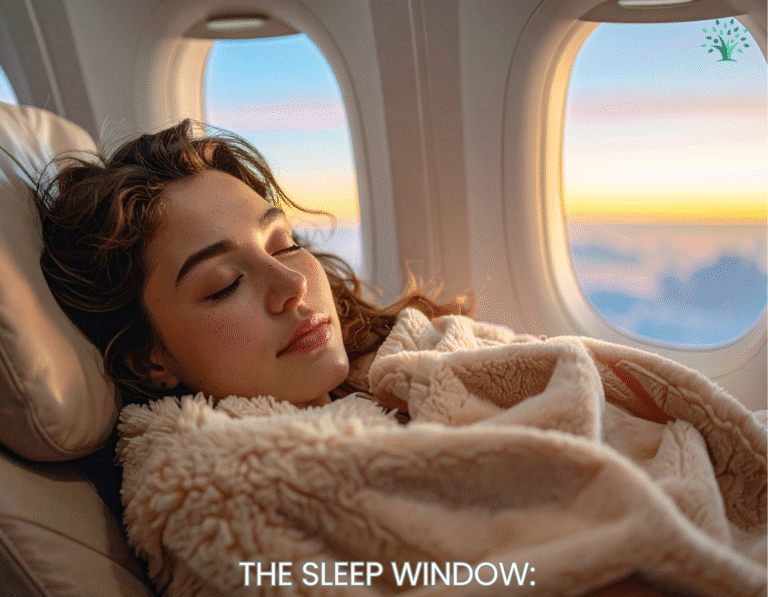
IV. THE SLEEP WINDOW – When to Rest and Why Timing Matters
Getting sleep on a long flight is part strategy, part patience. What most travelers don’t realize is that your body’s rhythm doesn’t reset the moment you sit down — it needs cues. That’s why, for me, flight wellness up in the air starts with timing rest, not chasing it.
I always aim to stay awake until the first in-flight meal service. It’s not easy, especially after boarding late or running through terminals, but it pays off. Eating early helps your body process food while it’s still adjusting to cabin pressure. Then, once the cabin lights dim, you can drift into continuous sleep instead of the stop-and-go naps that leave you groggy.
If I can hold out through takeoff and dinner, I’ll sleep deeper and longer — usually four to five hours without interruption. That one solid block of rest does more for my recovery than eight scattered naps. It resets my internal rhythm, calms inflammation, and helps with jet lag when I land.
I also treat the environment like my personal sleep zone. That means lowering the seat-back light, using earplugs and a sleep mask, and minimizing blue light from screens. A few deep breaths before closing my eyes helps drop my heart rate and signals my body to rest.
By focusing on when to sleep, not just how, you align your system with the flow of the flight. The result is a smoother arrival, fewer headaches, and better energy on the ground — exactly what smart travel recovery should feel like.
The next section focuses on something most people overlook: how to calm your mind and senses in the air so your body can actually follow your lead.
Recommended Reading:
V. CALM YOUR MIND IN THE CLOUDS – Stress and Sensory Reset
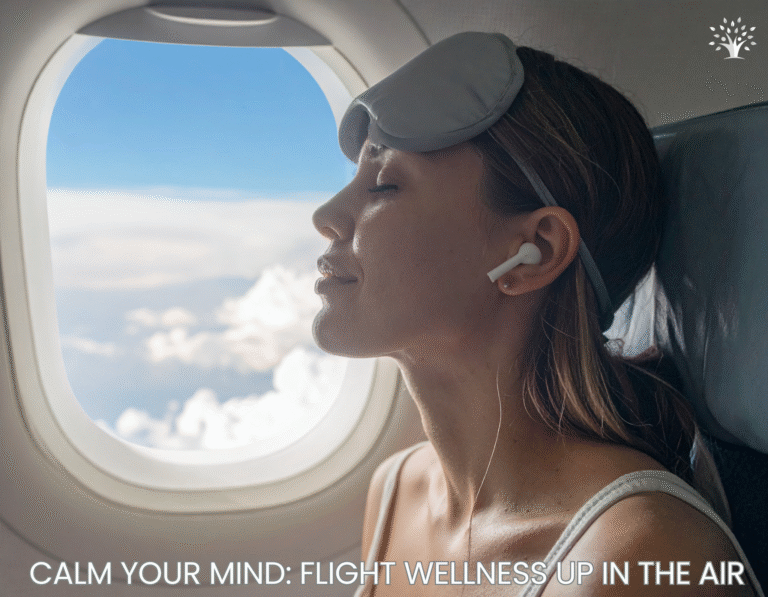
Even when your body feels prepared, the mental noise of travel can still wear you down. Airplanes compress more than air pressure — they squeeze your senses too. The constant hum, tight space, chatter, and flicker of screens all compete for your attention, leaving your nervous system on edge. That’s why true flight wellness up in the air isn’t just physical — it’s also about creating quiet moments in motion.
During long flights, I make a habit of taking “mini resets.” I’ll close my eyes, rest my hands on my lap, and take five slow breaths — in through the nose, out through the mouth. It’s simple, but it helps reset my body from that tense travel posture we all unconsciously hold. Even a one-minute break like this can slow your pulse and calm your mind.
I also limit my inputs. After the first movie or playlist, I give my eyes a break. Looking out the window at clouds or the night sky works better than any app for resetting perspective. Light and noise control make the biggest difference: an eye mask, earplugs, and a blanket can transform a noisy cabin into something close to calm.
There’s no perfect way to meditate on a plane — it’s more about awareness than technique. Notice your breathing, your shoulders, and the way the seat supports you. These quiet moments recharge more than caffeine ever could. When your mind relaxes, your body follows, and recovery begins long before you land.
The next section outlines my personal toolkit — the small but essential items that make this rhythm possible, flight after flight.
Recommended Reading:
VI. MY FLIGHT WELLNESS ESSENTIALS KIT
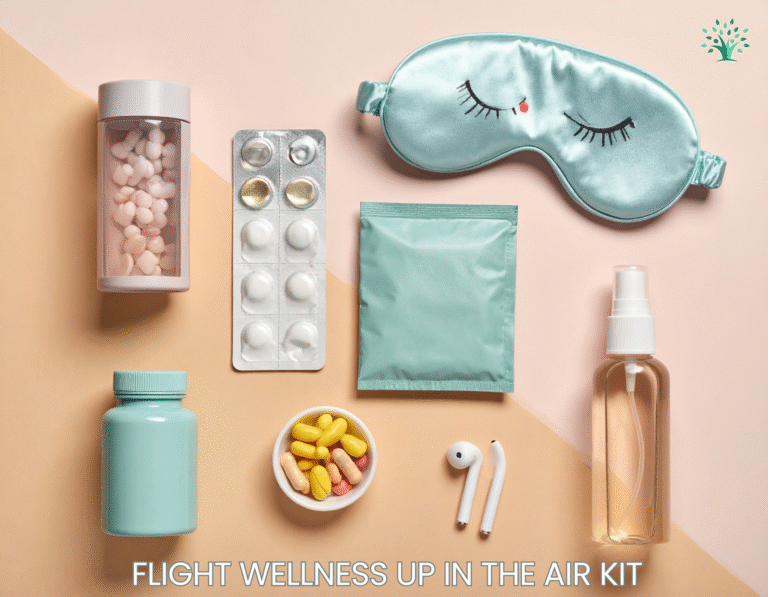
If you’ve ever wondered how I stay healthy, rested, and focused after back-to-back flights, this is the exact wellness kit that makes it possible. These aren’t luxuries — they’re tools that help maintain hydration, calm, and rest balance during long-haul travel. Over the years, I’ve refined this list down to what truly works.
Alka-Seltzer Original Effervescent Tablets – My gut-defense secret for long dinners and fast recovery.
Horbäach Echinacea Goldenseal Capsules, 1400mg, 300 Count – Immune support that kept me strong through endless trips.
Liquid I.V. Hydration Multiplier – My first line of defense against dry cabin air and jet-lag fatigue.
Nature Made Magnesium Glycinate 200 mg – Relaxes tight muscles and supports deep rest during overnight flights or terminal layovers.
Reusable Silicone Earplugs for Noise-Canceling Sleep – Block out noise in lounges, rest pods, or airplanes; small tool, big impact.
Blackout Sleep Mask – For those pre-dawn flights or long connections when you just need total darkness.
AG1 Greens Powder Refill Pouch – Daily nutrition and energy boost when travel meals weren’t enough.
Evian Facial Spray (1.7 oz Travel Duo) – A mid-flight reset to counter the desert-dry cabin environment.
Orgain Organic Vegan Protein Powder – Reliable nutrition when airport meals run late or choices are limited.
Natrol Melatonin Gummies, Sleep Support – Reliable, gentle sleep aid that helps reset my rhythm when crossing time zones.
These essentials became part of my personal travel rhythm: hydrate, stretch, breathe, refresh. These help me stay balanced enough to travel far and live well.
Affiliate Disclaimer
To make your choices easier, I’ve included the products I personally rely on during long flights and layovers. As an Amazon Associate, I earn from qualifying purchases. These are the same tools I trust in my own travel-wellness routine and recommend because they truly work.

VIII. Final Reflection – Flight Wellness Up in the Air
Flying used to leave me completely drained — dehydrated, sore, and wide awake when I finally got home. Over time, I learned that the solution wasn’t expensive gear or complicated routines. It was small, repeatable habits that turned every flight into part of my recovery, not my exhaustion. That’s the mindset behind flight wellness up in the air — treating time in transit as time to heal, not endure.
Every long-haul flight teaches you something new about your body. When you listen, prepare, and give yourself permission to slow down, travel stops being a stress test. It becomes a moving reset — one that carries you home sharper, calmer, and more in tune with your rhythm.
For me, that’s the real reward of all those years and millions of miles — realizing that wellness doesn’t wait until you land. It starts the moment you take off.
Rest Well. Fly Smart. Live Balanced.
With care,
Samuel
📥 BONUS: Download the 1-Page International Travel Wellness Guide
This simple PDF puts my Travel Wellness Routines + Jet Setter Hacks into one page you can actually use.
✈️ Print it and keep it in your carry-on, or save it to your phone for quick access during your next long-haul flight.
👉 Covers: sleep, food, supplements, gut defense, in-flight hydration, packing hacks, and micro rituals to keep you energized.
📌 Related posts from Our Blogs:
✨ GoWithGuide – My Trusted Travel Shortcut
When I want to Travel Far Live Well, time is my most valuable resource. I’ve used GoWithGuide in Tokyo, Seoul, Shenzhen, and even Rome, and the difference was clear: less stress, more local culture, and the freedom to focus on wellness instead of logistics.
Whether you’re on a tight schedule, traveling solo, or just want to dive deeper into authentic neighborhoods, a private guide helps you maximize every hour. It’s one of the simplest ways to balance exploration with recovery so you leave with energy—not exhaustion.