
Travel Far, Live Well Terminal ICN: The Airport That Feels Like Home
LifeStyle Wellness on the Go by Samuel
I. Intro: The Airport That Feels Like Home
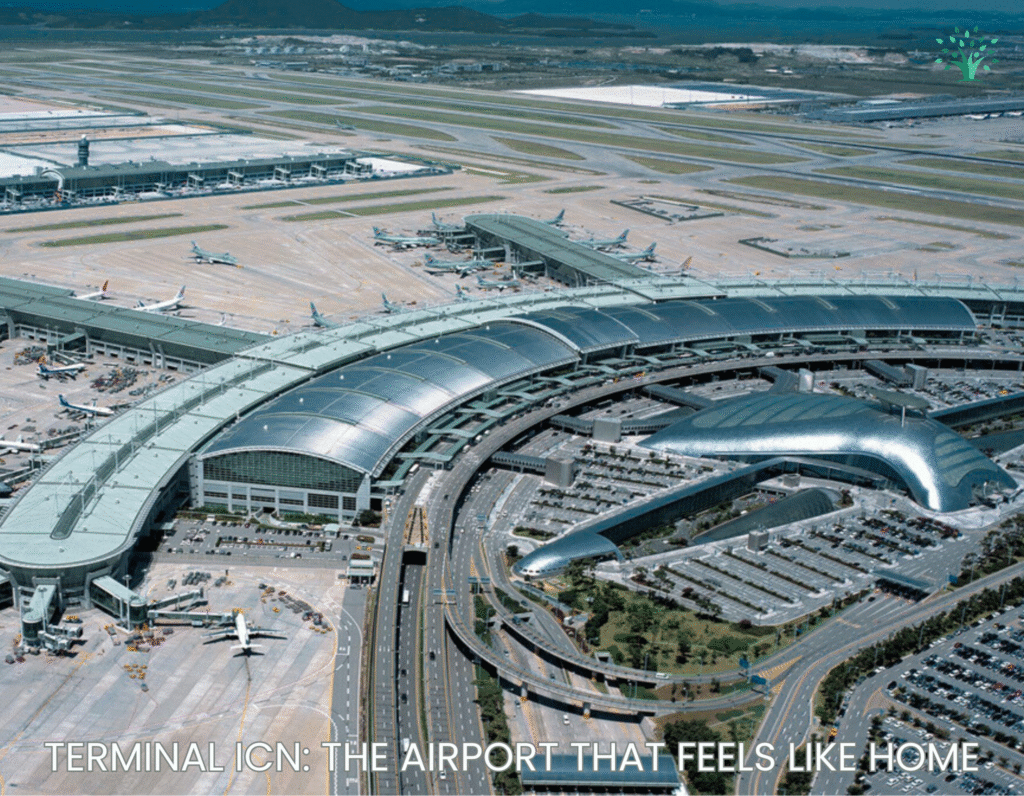
ICN stands for Incheon International Airport, located just outside Seoul, South Korea. It’s one of Asia’s busiest and most awarded airports, known worldwide for its efficiency, cleanliness, and hospitality. But for me, ICN has always been more than a transit hub—it’s the airport that feels like home.
My connection with ICN goes back nearly two decades, from the day it first opened to today. Over the years, I’ve flown countless routes—between Korea and Japan, into mainland China, across to Europe, and back to the States. Every journey seemed to pass through this terminal. I’ve spent more hours in ICN than I can count, and it’s filled with small memories—quiet early mornings, long layovers, even moments of reflection between meetings or flights.
Up in the Air and The Terminal always resonated with me. Frequent flyers know that airports can start to feel like second homes. You learn to find comfort where others only see movement—at a lounge chair, a coffee counter, or even an empty gate at midnight. For me, Incheon Airport became that home away from home.
Through my mileage status, I was fortunate to access some of ICN’s top lounges—first-class areas designed for real rest and comfort. But even beyond the lounges, ICN itself is like a small city. It has everything: hotels, restaurants, spas, saunas, shopping, art exhibits, and open spaces that make you forget you’re in transit. Over time, I learned to build a rhythm here—to eat well, move my body, refresh, and recharge my mind before the next flight.
I could do full hotel-style workouts right inside the terminal, take a hot shower afterward, and sit down to an incredible meal before boarding. Sometimes I’d just people-watch—families saying goodbye, travelers sleeping in quiet zones, workers moving with calm precision. There’s something human and emotional about it all.
This article isn’t just about the airport—it’s about how to create your own sense of travel wellness wherever you are. Whether you’re passing through ICN or any major hub, I want to share what I’ve learned: how to make an airport feel like home, how to rest your soul, mind, and body on the road, and how to Travel Far, Live Well.
📥 BONUS: Download the 1-page printable infographic at the end of this post! Stick it to your mirror and carry them. Your full Free International Travel Wellness Guide & Hacks.
ii-A. Calm by Design — the airport that Feels Like Home
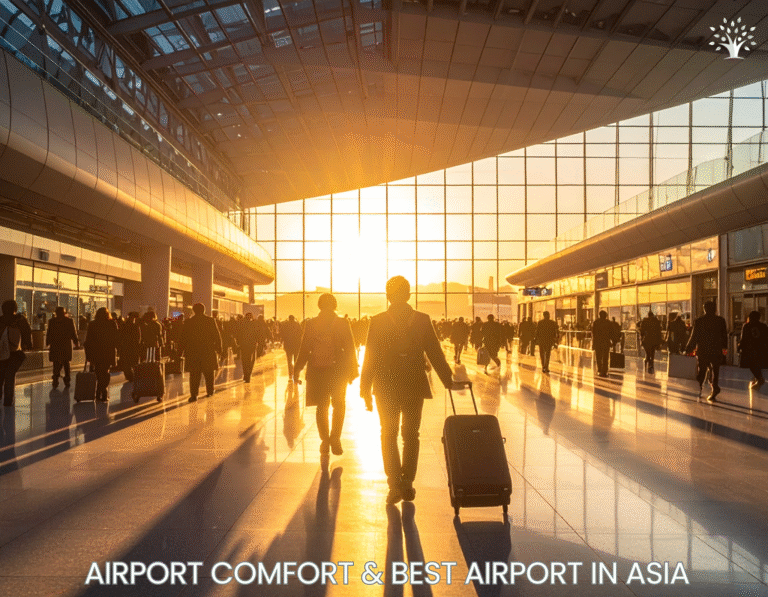
What makes Incheon International Airport special isn’t just its size or reputation—it’s how it makes you feel the moment you step inside. For an airport that handles tens of millions of passengers each year, ICN somehow stays calm and unhurried. That’s rare. The design invites you to breathe. Wide walkways, open ceilings, and soft, natural lighting guide you from check-in to gate without stress.
Korean hospitality plays a big part in that feeling. Even small details—like how staff greet you with a quiet smile, or how the background music flows gently through the terminals—make a difference. I’ve passed through many airports around the world, but ICN carries a distinct sense of jeong, that Korean warmth and connection that can’t be designed by software. It’s what makes ICN the airport that feels like home.
Recommended Reading:
ii-B. The Rhythm of Familiarity
Over the past twenty years, I’ve come to know almost every corner of this place. I remember long winter nights sitting near the window watching snow fall on the runways, and summer mornings grabbing a light meal before early flights to China or Japan. I’ve showered, napped, and even worked out here during layovers that stretched into half a day. Somehow, no matter how many times I passed through, I always found small ways to reset—good food, a quiet seat, a familiar smell of fresh coffee from one of the cafés near the transit hotel.
Incheon feels more like a small city than an airport. Inside the terminals, you’ll find hotels, business centers, family lounges, art exhibits, and saunas. My personal favorite has always been the spa in Terminal 1—a place where you can shower, soak, and unwind before another long flight. It’s one of those rare airports where you can arrive jet-lagged and walk away feeling human again.
Even the architecture supports that sense of belonging. Natural light filters through the glass ceilings, the temperature stays perfectly balanced, and soundproofing softens the background noise. These quiet design decisions turn travel chaos into calm routine. As someone who’s spent years living between airplanes, hotels, and terminals, I’ve come to appreciate how ICN allows me to pause, reflect, and feel grounded—if only for a few hours.
That’s what makes it truly special. Incheon isn’t just efficient—it’s empathetic. It’s a space built for travelers who crave comfort, rhythm, and familiarity amid constant motion. For me, that’s what defines the airport that feels like home.
Over the years, I’ve also seen the other side of ICN—the rush. There were times when flights landed late and I had to sprint across the terminal to make a tight connection. I always wore comfortable running shoes for that reason. I can still remember weaving through a crowd of travelers, knowing every turn and shortcut like it was my own backyard. Those moments felt strangely familiar, almost like running through my old neighborhood as a kid. Even in the chaos, I felt at home here.
iii-a. Comfort Corners That Redefine Layovers
After countless long-haul flights, I’ve learned that comfort doesn’t always require a five-star hotel—it’s about finding small rituals that restore your body and mind. At Incheon International Airport, those rituals are built right into the terminal. You don’t have to search far to understand why travelers often call it the airport that feels like home.
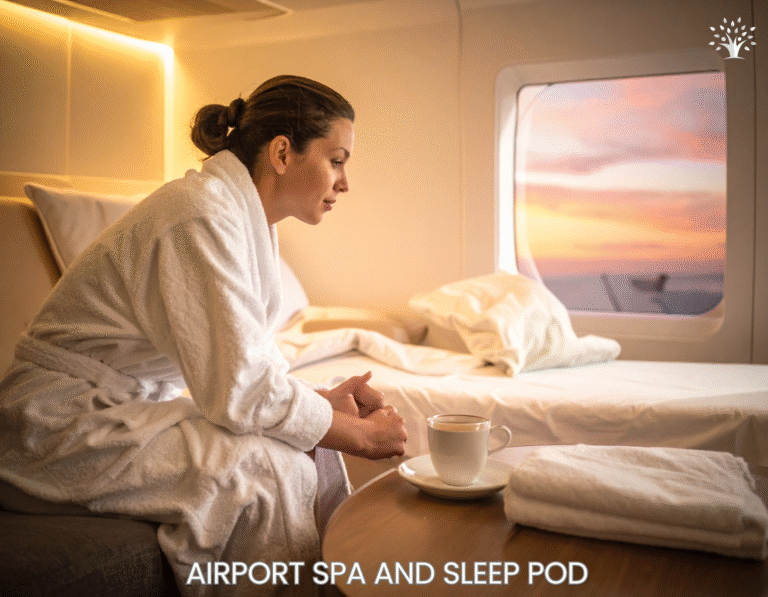
One of my favorite discoveries years ago was the Spa On Air inside Terminal 1. It’s a full wellness center hidden in plain sight—complete with saunas, hot baths, showers, and even private relaxation rooms. I’ve spent early mornings here soaking in warm water before a 12-hour flight to Europe and late nights recovering after a week in China. The space has that calm, hotel-like atmosphere that makes you forget you’re still inside an airport.
For shorter breaks, ICN’s capsule hotel and sleeping pods are lifesavers. Each small room has a bed, power outlet, and quiet privacy—ideal for power naps or overnight layovers. I’ve used them between back-to-back meetings when my body simply needed stillness. Add a hot shower afterward and you feel completely renewed before boarding again.
Recommended Reading:
iii-b. Finding Stillness in Transit
If you’re just looking to unwind, the free rest zones scattered throughout the terminal are surprisingly peaceful. Reclining chairs face large windows with views of the runways, where you can read, stretch, or just watch the aircraft glide in and out. There are also designated “nap zones” dimly lit for comfort—rare touches that turn transit time into recovery time.
Massage chairs line the concourses for those who prefer a quick reset. I used to laugh seeing travelers asleep mid-massage, but after my hundredth flight, I understood. Sometimes that twenty-minute chair session is all your neck and back need to survive another long haul.
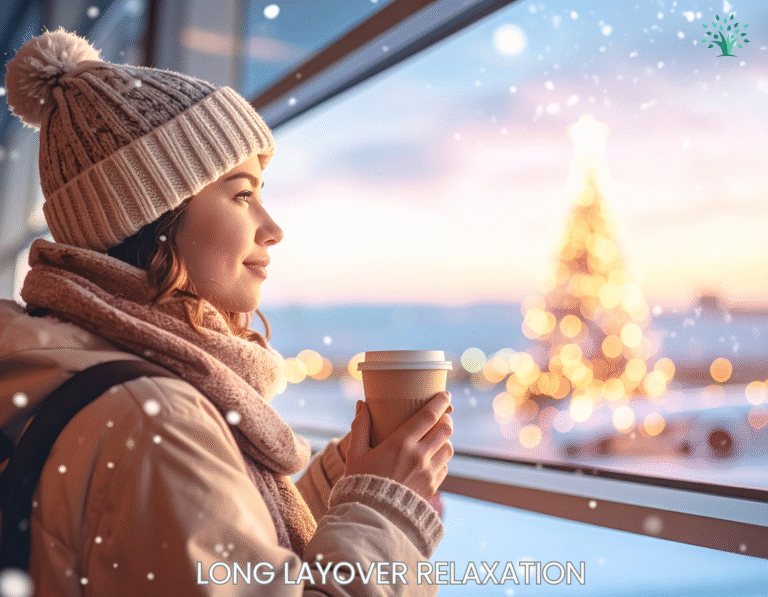
One Christmas Eve stands out in my memory. Heavy snow grounded flights, and the world outside turned completely white. I was stuck overnight at ICN, watching flakes drift past the giant glass windows. In any other airport, that night would have felt stressful or lonely. But here, it became something peaceful—a quiet holiday memory shared with other stranded travelers, the hum of Christmas music in the background, and the comforting warmth of coffee in my hands. It was one of those nights that reminded me why this is the airport that feels like home.
Beyond physical comfort, these spaces carry emotional weight. They remind you that travel wellness isn’t just about movement—it’s about creating stillness when everything around you is in motion. That’s what ICN gets right. It’s not just a place to pass through; it’s a place to recover. Whether you spend ten hours or just two, these comfort corners allow you to rest, refuel, and reconnect with yourself.
For a frequent flyer like me, that’s the difference between an ordinary airport and the airport that feels like home.

iv. Eat, Recharge, and Stay Balanced
One of the most important lessons I’ve learned as a lifelong traveler is that airports can drain your energy faster than the flights themselves. Between time-zone shifts, recycled air, and constant motion, your body starts craving balance. At Incheon International Airport, that balance begins with food and stillness—the two things most people overlook while rushing to their next gate.
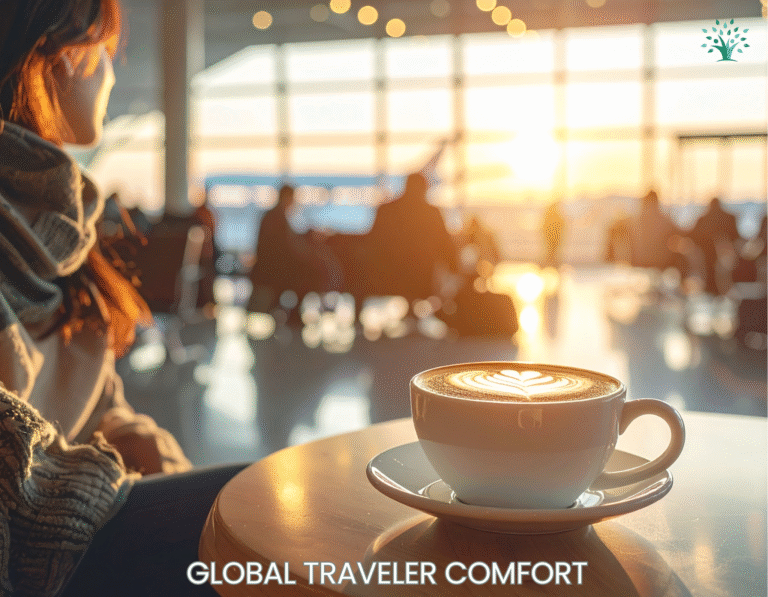
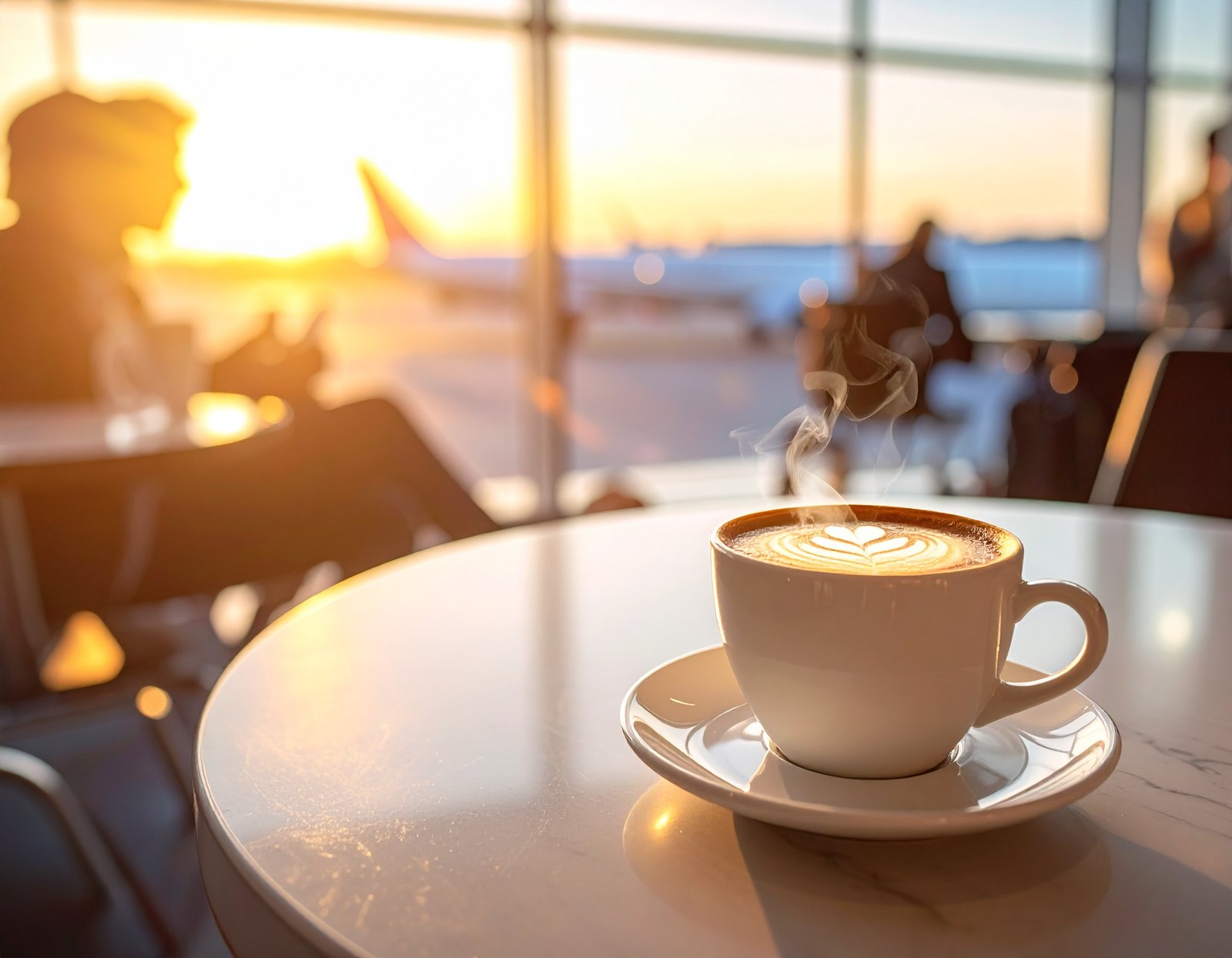
I’ve spent countless hours here working quietly at small cafés, sipping cappuccinos and lattes while watching travelers flow through the terminal like moving stories. Those moments became small rituals for me—a way to recharge without leaving the rhythm of travel. The aroma of good coffee, the gentle background music, the hum of rolling suitcases—it all created a strangely comforting atmosphere. This is what makes ICN the airport that feels like home.
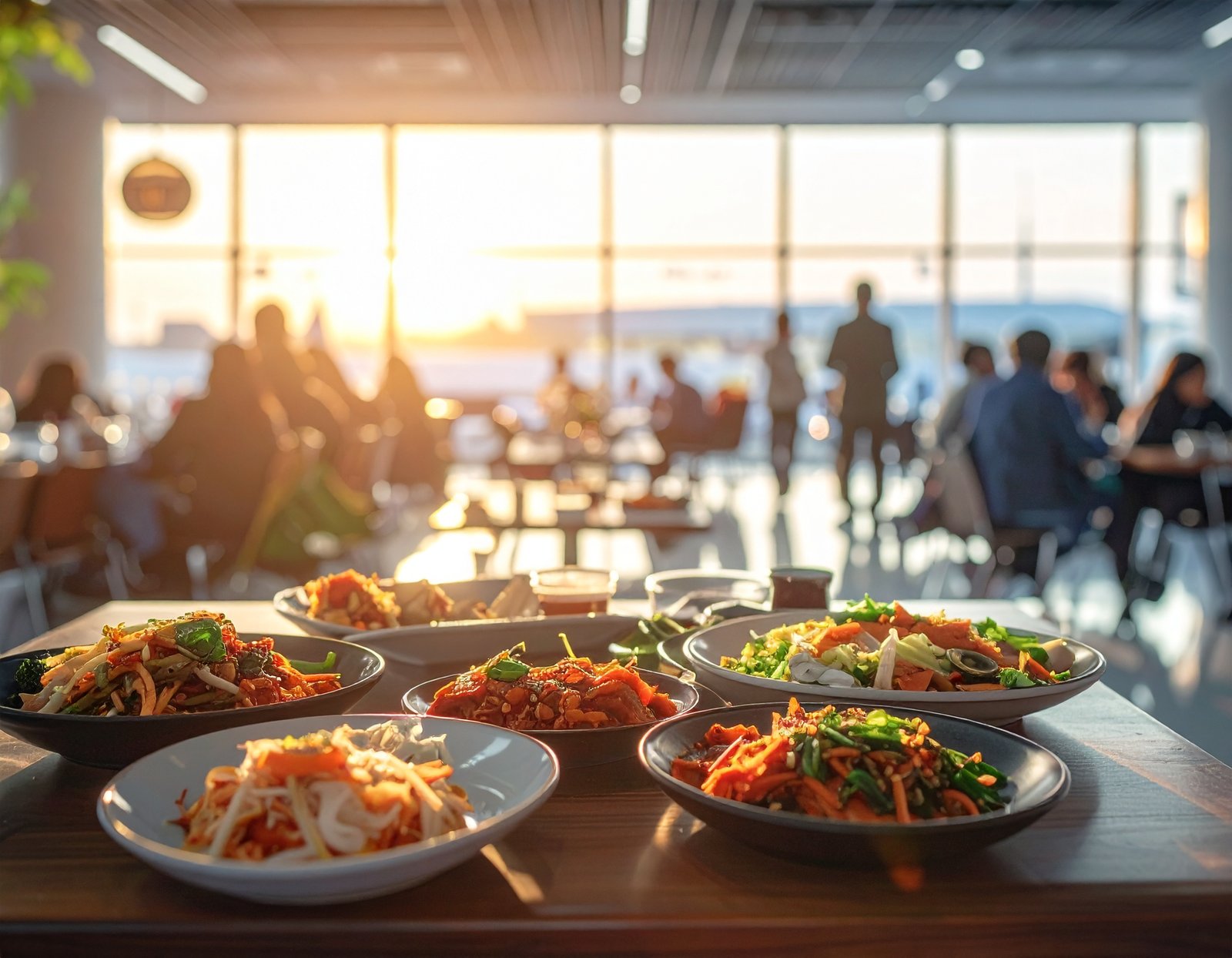
ICN has always made it easy to eat well. Instead of fast-food overload, you’ll find plenty of balanced choices—fresh salads, rice bowls, soups, and warm Korean comfort dishes that nourish instead of exhaust. I often start with something light, drink plenty of water, and finish with tea to calm my system before boarding.
The same principle applies to hydration. A bottle of electrolyte water or a soothing herbal tea can do more for fatigue than any energy drink. Two staples from my TouchCare kit travel with me on every route: Horbäach Echinacea Goldenseal Capsules, 1400 mg, 300 Count —immune support that kept me strong through endless trips—and Liquid I.V. Hydration Multiplier —my first line of defense against dry cabin air and jet-lag fatigue. For stomach relief after heavy travel meals, I also keep Alka-Seltzer Original Effervescent Tablets in my carry-on—they’ve saved more than one connection after a long day on the road.
Eating mindfully and pausing for a simple coffee break may sound ordinary, but at ICN it feels intentional. Everything—the layout, lighting, even seating—invites you to slow down. And when an airport helps you feel nourished and centered before a 13-hour flight, that’s more than convenience. That’s wellness in motion, and that’s what makes Incheon the airport that feels like home.
v. Rest & Refresh Corners at The Airport That Feels Like Home
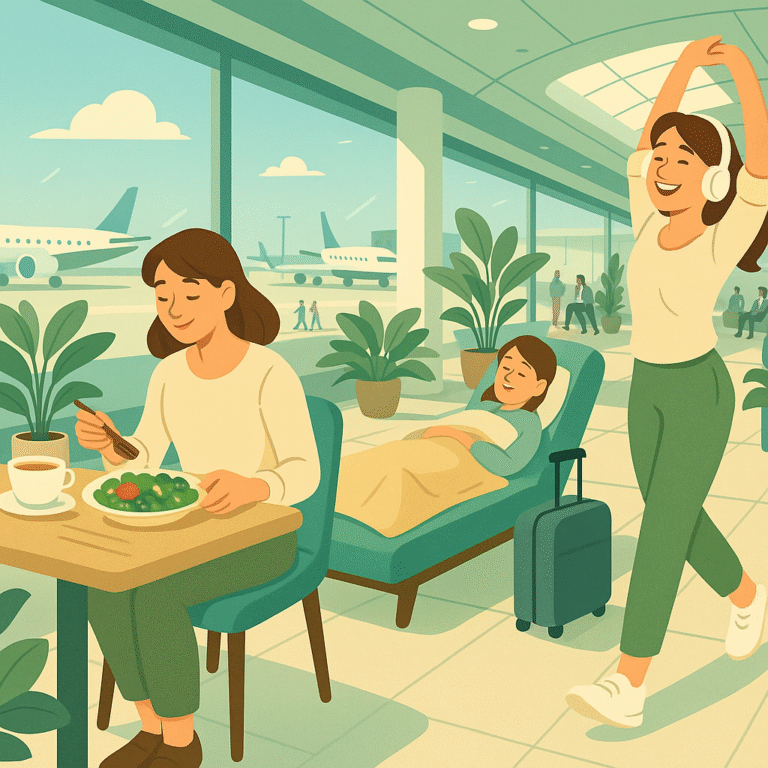
Even in the world’s busiest terminals, rest is rare. Incheon makes it part of the journey. Beyond its cafés and quiet gates, you’ll find small sanctuaries designed for recovery—places where travelers can wash up, stretch, and breathe before the next flight.
These rest zones feel almost spa-like without the fuss. The lighting is soft, the air feels cleaner, and the layout invites calm. You’ll see travelers rinsing their faces, refilling water bottles, or just sitting quietly away from the crowd. It’s a reminder that wellness on the road isn’t only about movement and food—it’s about giving your body a pause.
I’ve built these moments into my routine: a quick face wash, a splash of cold water, a few stretches, and deep breaths before boarding. Sometimes I stop by a lounge or one of ICN’s quiet rest areas to reset for ten minutes. It’s not indulgence—it’s maintenance.
Incheon’s attention to these simple comforts is what makes it stand out. You leave feeling cared for, not just processed. A place that encourages stillness between flights doesn’t just move people—it restores them. That’s what makes ICN the airport that feels like home.
vi. Travel Wellness Tips Before Boarding
Every traveler develops their own little rituals before a flight. Over time, mine became less about squeezing productivity into every minute and more about recovery—simple actions that calm the body before sitting still for hours.
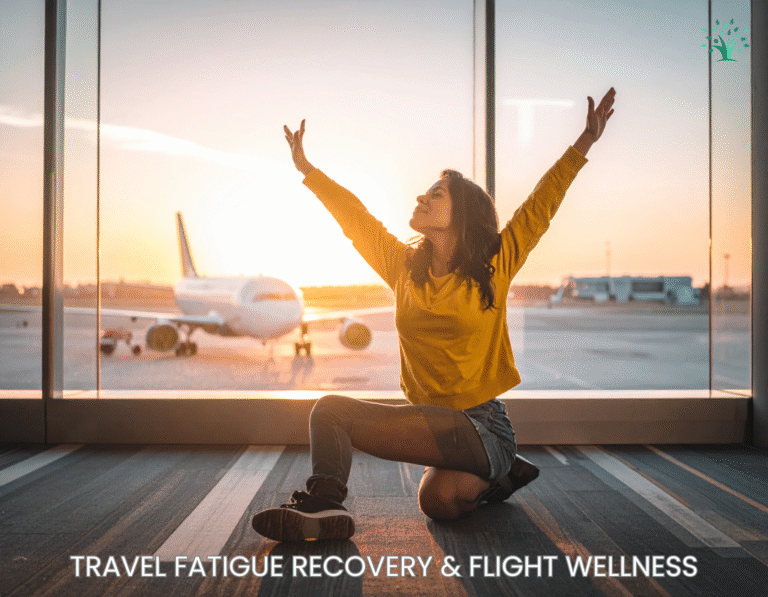
Before each flight, I walk the terminal instead of sitting at the gate. Movement helps blood circulation and clears my head after long meetings or overnight layovers. Some of my favorite walks happened late at night or before dawn when the terminal was nearly empty. You could hear a pin drop—it was just me and the quiet hum of lights overhead. There’s a strange kind of peace in those hours, when the building feels alive but asleep at the same time. I’d walk slowly, letting my thoughts settle, until the first light of sunrise turned the glass walls a soft red. That quiet transformation—from darkness to morning—always felt dramatic, like watching the world restart right in front of me.
Next comes hydration. I drink plenty of water and sometimes add Liquid I.V. Hydration Multiplier before boarding. It’s a small step that makes a big difference in how you feel mid-flight.
Stretching is another simple routine. I’ll find a quiet area near the windows, take a few deep breaths, roll my shoulders, and stretch my back and legs. It’s not a workout—it’s maintenance.
Then, I take a few minutes to mentally reset. I’ll sit by the window with a cappuccino, put my phone away, and just watch the airport’s rhythm.
Wellness while traveling isn’t about luxury; it’s about intention. ICN proves that even in a space built for movement, you can still find stillness. Whether you’re flying for work, family, or exploration, these simple rituals—move, hydrate, stretch, breathe—turn travel from survival into recovery.
That’s the lesson Incheon has taught me after twenty years on the road: no matter how far you go, balance starts before takeoff. And that’s why, to me, it will always be the airport that feels like home.
vii. My international Travel Wellness Kit
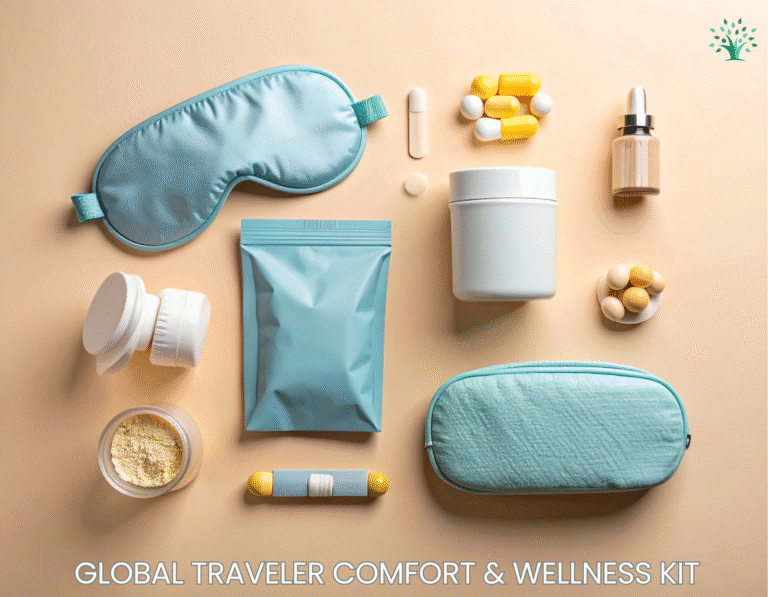
If you’ve ever wondered how I managed nearly two decades of long-haul flights through Incheon, here’s the wellness kit that kept me grounded and energized while living between gates, hotels, and airplanes. These aren’t luxuries — they’re the tools that helped me make ICN the airport that feels like home.
Alka-Seltzer Original Effervescent Tablets – My gut-defense secret for long dinners and fast recovery.
Horbäach Echinacea Goldenseal Capsules, 1400mg, 300 Count – Immune support that kept me strong through endless trips.
Liquid I.V. Hydration Multiplier – My first line of defense against dry cabin air and jet-lag fatigue.
Nature Made Magnesium Glycinate 200 mg – Relaxes tight muscles and supports deep rest during overnight flights or terminal layovers.
Reusable Silicone Earplugs for Noise-Canceling Sleep – Block out noise in lounges, rest pods, or airplanes; small tool, big impact.
Blackout Sleep Mask – For those pre-dawn flights or long connections when you just need total darkness.
AG1 Greens Powder Refill Pouch – Daily nutrition and energy boost when travel meals weren’t enough.
Evian Facial Spray (1.7 oz Travel Duo) – A mid-flight reset to counter the desert-dry cabin environment.
Orgain Organic Vegan Protein Powder – Reliable nutrition when airport meals run late or choices are limited.
These essentials became my travel rhythm: hydrate, stretch, breathe, refresh. Whether sitting in a quiet ICN lounge at midnight or watching the sunrise through the glass walls, they kept me balanced enough to travel far and live well.
Affiliate Disclaimer
To make your choices easier, I’ve included the products I personally rely on during long flights and layovers. As an Amazon Associate, I earn from qualifying purchases. These are the same tools I trust in my own travel-wellness routine and recommend because they truly work.
viii. ✍️ Quick Guide: transit Travel Wellness
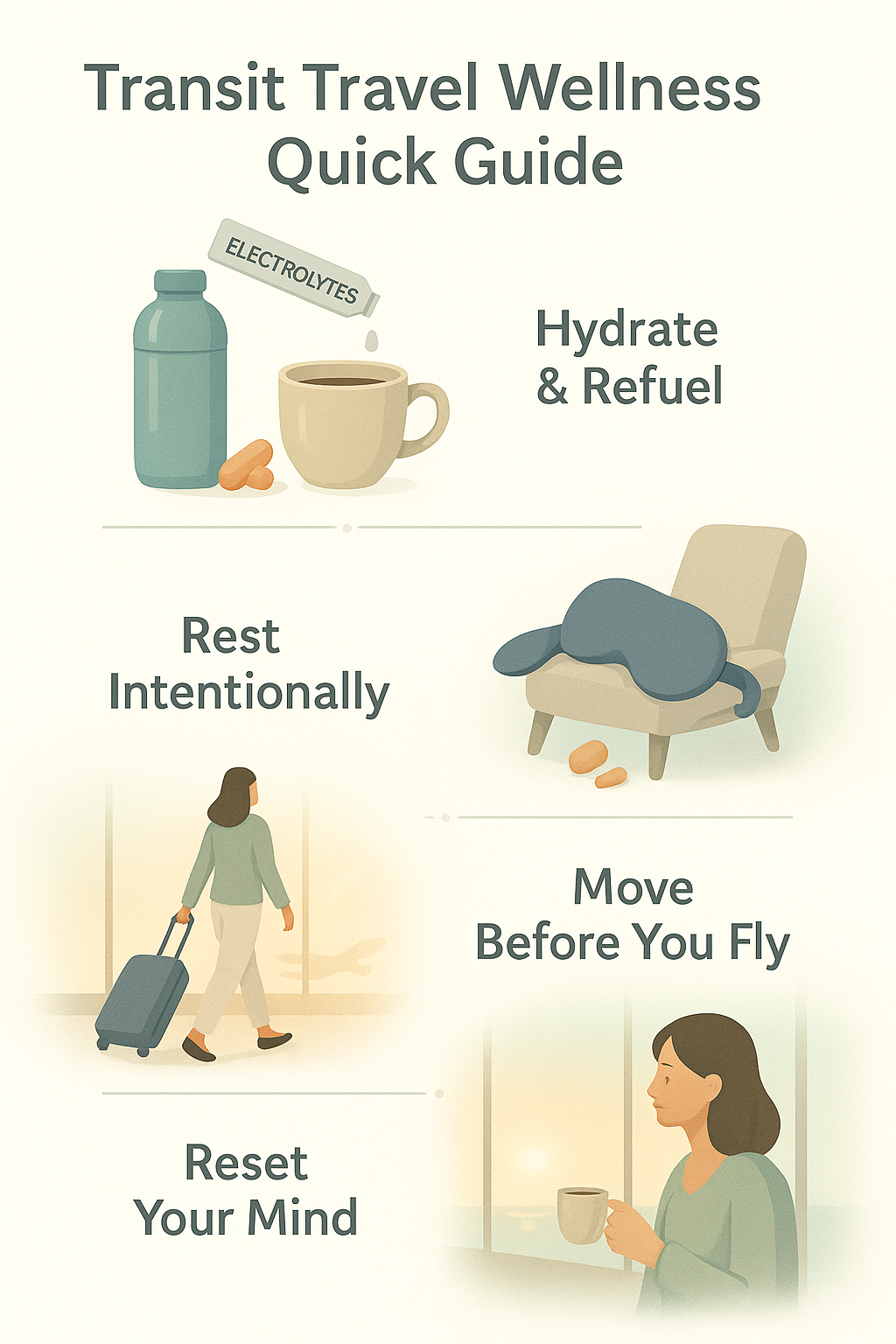
Hydrate & Refuel – Start every flight with water or an electrolyte mix like Liquid I.V. Sip tea instead of more coffee before boarding—it keeps energy smooth and digestion calm.
Rest Intentionally – Sleep masks, earplugs, and magnesium turn even short layovers into real recovery time. Don’t underestimate the value of twenty quiet minutes in a rest pod.
Move Before You Fly – Walk the terminal instead of waiting at the gate. My favorite ritual was pacing ICN’s long corridors in the early morning when it was silent enough to hear my own footsteps. Those walks kept my back loose and my mind clear.
Reset Your Mind – Find a window seat, watch the runways, breathe slowly. A few moments of stillness between flights can ground you more than an entire vacation.
Recommended Reading:
x. Final Takeaway: The Airport That Feels Like Home
After twenty years of passing through Incheon, I’ve realized something simple yet powerful: airports reflect how we live. Some people rush through them as obstacles, others slow down and find meaning in the in-between. For me, ICN became that in-between space where I learned to breathe again.
It’s where I discovered that travel wellness isn’t just about arriving rested—it’s about being present in transit. Whether sipping coffee, stretching by the window, or soaking in a quiet spa, these small rituals have turned every layover into a moment of restoration.
Incheon will always be special to me because it reminds travelers that even constant movement can feel grounded. That’s why I call it the airport that feels like home—a place where you can rest your mind, body, and soul before the next journey.
Wherever your next flight takes you, remember: you don’t have to wait until you land to feel at home. You can Travel Far, Live Well—starting right here, between departures and destinations.
Wellness in motion — the airport that feels like home.
✈️ Next Stop: Amsterdam (AMS) — recharge and reset in Europe’s most walkable gateway. From canal-side calm to airport wellness innovation, discover how Schiphol teaches balance through design, flow, and simplicity.
With care,
Samuel
📥 BONUS: Download the 1-Page International Travel Wellness Guide
This simple PDF puts my Travel Wellness Routines + Jet Setter Hacks into one page you can actually use.
✈️ Print it and keep it in your carry-on, or save it to your phone for quick access during your next long-haul flight.
👉 Covers: sleep, food, supplements, gut defense, in-flight hydration, packing hacks, and micro rituals to keep you energized.
📌 Related posts from Our Blogs:
✨ GoWithGuide – My Trusted Travel Shortcut
When I want to Travel Far Live Well, time is my most valuable resource. I’ve used GoWithGuide in Tokyo, Seoul, Shenzhen, and even Rome, and the difference was clear: less stress, more local culture, and the freedom to focus on wellness instead of logistics.
Whether you’re on a tight schedule, traveling solo, or just want to dive deeper into authentic neighborhoods, a private guide helps you maximize every hour. It’s one of the simplest ways to balance exploration with recovery so you leave with energy—not exhaustion.