
Recovery After Winter Travel Matters More Than You Think
LifeStyle Wellness on the Go by Samuel
I. INTRODUCTION — why Recovery After Winter Travel Matters
After winter trips, Recovery After Winter Travel becomes more important than most people realize. During the trip, adrenaline carries you. Schedules move you forward. Coffee fills gaps. Your body keeps up because it has to. Real impact shows up when you return home.
Winter travel creates a unique kind of strain. Cold air, dry cabins, disrupted sleep, heavy meals, time-zone shifts, and constant movement quietly layer stress onto the nervous system. None of it feels dramatic in the moment. Together, though, it narrows your margin.
Many people try to “power through” once they’re back. Work resumes immediately. Gym sessions start again. Nutrition becomes stricter overnight. Discipline feels like the solution to lingering fatigue. What actually restores the body is not intensity. It’s recovery.
I’ve learned this the hard way after years of long-haul travel. The difference between bouncing back in two days and dragging fatigue for two weeks often comes down to what happens in the first 72 hours after landing.
This article explains why recovery after winter travel matters more than pushing during it — and how to reset without overstimulating your system.
📥 BONUS: Download the 1-page printable infographic at the end of this post! Stick it to your mirror and carry them. Your full 24-Hour Reset Checklist.
Quick Jump Guide
• Why winter travel drains the nervous system more than summer trips
• How fatigue builds quietly during flights and time-zone disruption
• Why pushing productivity slows recovery
• What the first 72 hours after landing should focus on
• How to use the Travel Wellness Recovery Kit (After Travel) effectively
This Guide Is for You If…
• You feel more exhausted after the trip than during it
• Sleep feels off even once you’re back home
• Digestion feels heavy or irregular post-flight
• Winter travel seems harder to recover from each year
• You want to restore energy without overstimulating your body
II. What Winter Travel Quietly Does to the Nervous System
During the trip, structure forces momentum. Boarding times, meeting schedules, hotel check-ins, and return flights create external rhythm. Movement masks fatigue. Stimulation overrides depletion.
After landing, that structure disappears, yet internal strain remains.
Recovery After Winter Travel feels harder because the body no longer has stimulation to distract it from imbalance. The moment you slow down, accumulated stress surfaces. Energy dips. Sleep feels shallow. Digestion becomes irregular. Mood shifts slightly.
Many people interpret this as weakness or aging. It is neither.
The nervous system has been adapting continuously. It has regulated temperature changes, managed circadian disruption, processed heavier food, handled social interaction, and maintained alertness in unfamiliar environments. Adaptation consumes resources. Winter conditions increase that demand.
Once home, passive rest alone rarely restores full balance. Proper hydration helps reestablish fluid stability. Lowering inflammatory load supports cellular repair. Realigning sleep cycles restores hormonal rhythm. Stabilizing digestive patterns completes the reset.
Another complicating factor is winter light exposure. Shorter days already compress circadian signals. Travel disrupts those signals further. Even if you sleep eight hours, the timing may not match natural hormonal cycles. That mismatch explains why you can wake up technically rested yet still feel off.
Instead of pushing productivity immediately, this stage calls for restoration. Recovery After Winter Travel is not about doing less out of laziness. It is about restoring capacity so performance returns naturally.
Recommended Reading:
III. Why Recovery After Winter Travel Is Harder Than During the Trip
During the trip, structure forces momentum. Boarding times, meeting schedules, hotel check-ins, and return flights create external rhythm. Movement masks fatigue. Stimulation overrides depletion.
After landing, that structure disappears, yet internal strain remains.
Recovery After Winter Travel feels harder because the body no longer has stimulation to distract it from imbalance. The moment you slow down, accumulated stress surfaces. Energy dips. Sleep feels shallow. Digestion becomes irregular. Mood shifts slightly.
Many people interpret this as weakness or aging. It is neither.
The nervous system has been adapting continuously. It has regulated temperature changes, managed circadian disruption, processed heavier food, handled social interaction, and maintained alertness in unfamiliar environments. Adaptation consumes resources. Winter conditions increase that demand.
Once home, the system needs more than passive rest. Hydration must be restored. Inflammation must be balanced. Sleep cycles must realign. Digestive rhythm must stabilize. These processes take intention.
Another complicating factor is winter light exposure. Shorter days already compress circadian signals. Travel disrupts those signals further. Even if you sleep eight hours, the timing may not match natural hormonal cycles. That mismatch explains why you can wake up technically rested yet still feel off.
Instead of pushing productivity immediately, this stage calls for restoration. Recovery After Winter Travel is not about doing less out of laziness. It is about restoring capacity so performance returns naturally.
Recommended Reading:
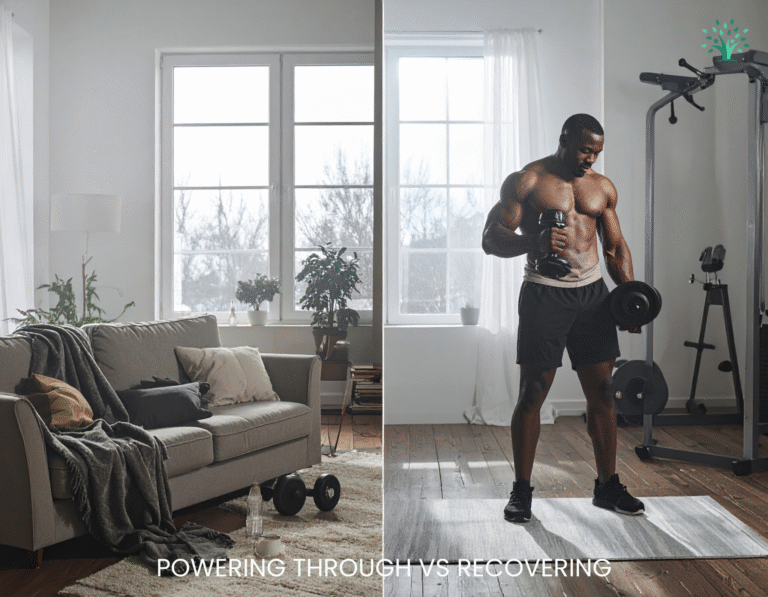
IV. Why Powering Through Slows Recovery After Winter Travel
When you return home, the instinct is to re-enter normal life immediately. Emails stack up. Work resumes. Gym sessions restart. Meals tighten up. Productivity becomes the priority.
That approach often delays recovery.
Stimulation masks fatigue temporarily but does not repair underlying strain. Caffeine raises alertness but does not restore hydration. Hard workouts increase inflammation before balance returns. Strict dieting stresses digestion that is already recalibrating after irregular travel meals.
Winter travel amplifies this pattern because immune vigilance is already slightly elevated in colder months. Dry airways, exposure to crowded airports, and temperature swings place the body on subtle alert. Instead of forcing energy, the smarter move is to reduce background strain.
True recovery after winter travel begins when you shift from performance to restoration.
Recommended Reading:
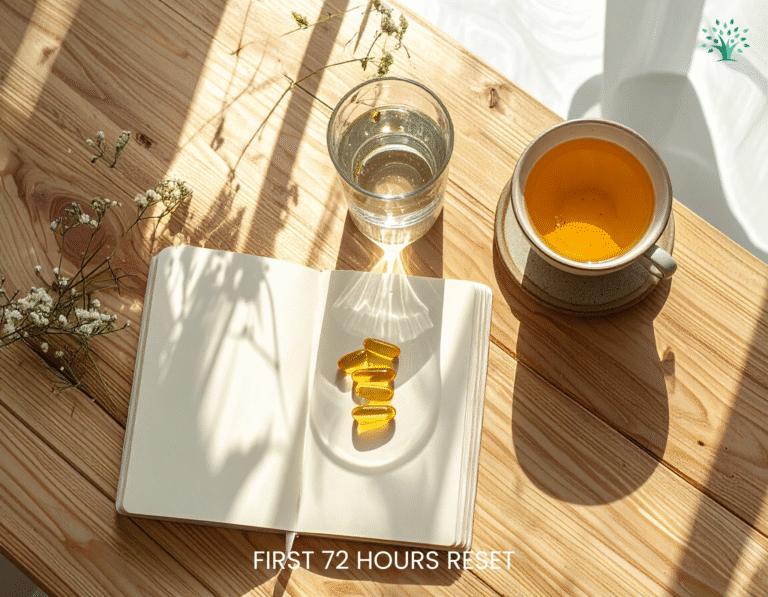
V. The First 72 Hours After Landing: Where Recovery After Winter Travel Begins
The first three days matter more than most people realize.
Hydration is the first priority. Flights reduce fluid balance at the cellular level, especially in winter’s dry air. Electrolytes Powder – Liquid IV improves hydration efficiency, helping fluids move into cells rather than passing through quickly. This supports circulation, mental clarity, and muscle recovery.
Immune resilience is next. Cold-weather travel increases exposure stress. Echinacea & Goldenseal – Horbäach supports immune stability during this vulnerable window, reducing background vigilance so the body can redirect energy toward repair.
Inflammation also rises subtly after travel. Long sitting, heavy meals, and sleep disruption contribute to systemic stress. Omega-3 Fish Oil – Nordic Naturals helps balance inflammatory response and supports cellular recovery without overstimulation.
These first steps are not dramatic. They are foundational. Once hydration, immune tone, and inflammation balance begin to normalize, the body can restore rhythm more efficiently.
Recommended Reading:
External: CDC – Jet Lag & Sleep Tips for Travelers
VI. Supporting Sleep, Digestion, and Nervous System Downshift
Sleep often feels shallow after winter travel. Even if you log enough hours, depth may be reduced. Supporting relaxation helps the nervous system transition from alert mode to recovery mode. Magnesium Glycinate – Nature’s Bounty supports muscle relaxation and sleep quality, creating conditions for deeper restoration.
Mental tension can linger even after the trip ends. Lingering alertness makes it harder to downshift. L-Theanine – Horbäach promotes calm focus without sedation, helping the nervous system shift from vigilance to steadiness.
Repeated disruption also stresses adaptive capacity. Rhodiola – Horbäach supports stress adaptation during periods of frequent schedule shifts, helping the body regain equilibrium more smoothly.
Digestion deserves attention as well. Airport food, irregular meal timing, and dehydration slow digestive rhythm. Organic Ginger Tea supports circulation and digestive warmth, easing that heaviness that often appears a day or two after returning home.
When sleep deepens, digestion stabilizes, and tension lowers, recovery accelerates without forcing output.
Recommended Reading:

VII. Products That Support Recovery and Adaptation Gently
When travel exhaustion builds in winter, the goal isn’t stimulation. It’s restoration. These are the products I rely on because they support recovery without forcing energy.
Echinacea & Goldenseal – Horbäach
Supports immune resilience during frequent travel, reducing background vigilance.
Electrolytes Powder – Liquid IV
Improves hydration efficiency after flights and dry environments.
Magnesium Glycinate – Nature’s Bounty
Supports relaxation and sleep quality, essential for nervous system recovery.
Omega-3 Fish Oil – Nordic Naturals
Helps balance inflammation and supports cellular recovery.
L-Theanine – Horbäach
Promotes calm focus, helping the nervous system downshift post-travel.
Rhodiola – Horbäach
Supports stress adaptation during repeated disruption.
Organic Ginger Tea
Supports digestion, circulation, and warmth after travel.
To make your choices easier, I’ve included the products I personally rely on during long flights and layovers. As an Amazon Associate, I earn from qualifying purchases. These are the same tools I trust in my own travel-wellness routine and recommend because they truly work.
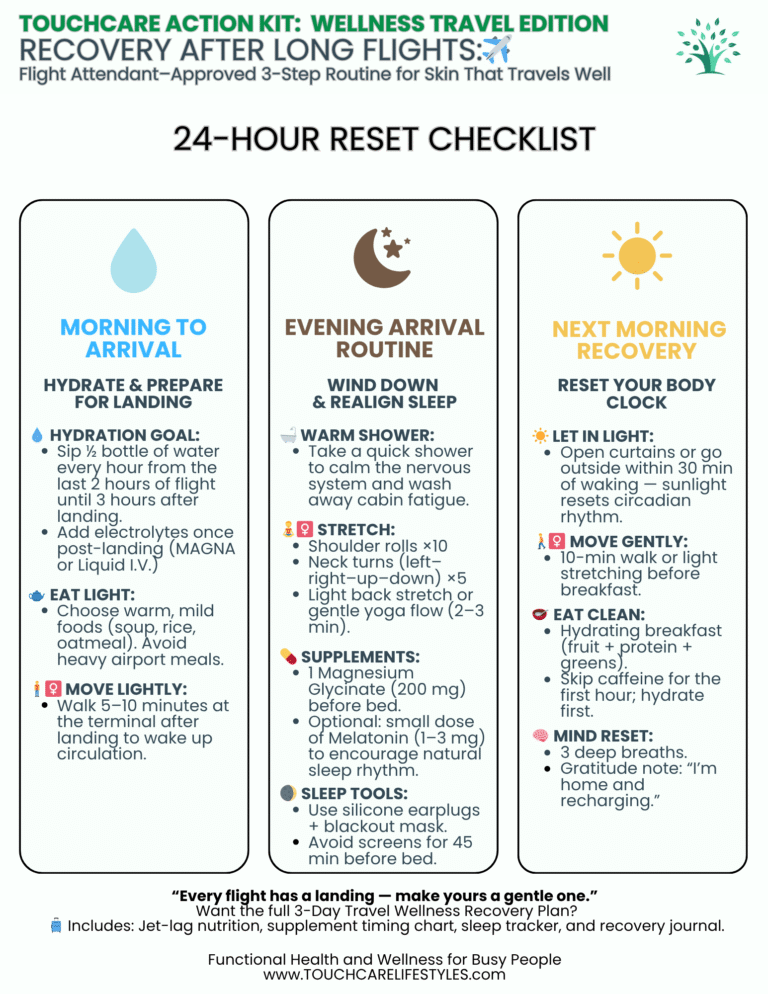
VIII. A Structured Reset — Travel Wellness Recovery Kit (FREE PDF)
📥 BONUS: Download Free 1-Page 24-Hour Reset Checklist
This simple PDF puts my Travel 24-Hour Reset Checklist into one page you can actually use.
Recovery after winter travel improves when signals are consistent.
The Travel Wellness Recovery Kit (After Travel) organizes hydration timing, sleep cues, gentle movement, and nutritional rhythm into a simple 72-hour reset framework. Instead of guessing what to do first, the kit creates sequence. Sequence reduces internal noise.
Predictable recovery cues allow the nervous system to settle. Once the body senses stability, energy returns more naturally. This reset is not about intensity. It is about restoring baseline capacity before momentum resumes.
IX. Final Thoughts — Restore Capacity Before Momentum
Winter travel asks more from your body than you feel in the moment. The cost shows up after the flight, after the hotel, after the adrenaline fades.
Ignoring that phase stretches fatigue into weeks.
Recovery after winter travel is not optional if you want strength to return fully. Restoring hydration supports repair. Deep sleep rebuilds resilience. A calm nervous system stabilizes performance. Immune balance protects long-term energy.
When capacity is rebuilt first, energy becomes steady instead of forced. Focus returns without caffeine spikes. Sleep deepens without struggle. Digestion settles. Training feels productive again.
Momentum built on exhaustion collapses.
Momentum built on recovery compounds.
Restore capacity before momentum.
With care,
Samuel
⭐ Upgrade Your Wellness Routine
If this guide helped you feel more prepared for long flights, you may appreciate the premium Travel Recovery Planner I designed to go with it.
It’s a clean, structured 17-page TouchCare Action Kit that walks you through everything from landing to the next morning — hydration plan, digestion reset, circulation routine, anti-bloat support, light meals, sleep cues, and a full 24-hour recovery flow.
If you want a simple, printable version of the routine I personally use after every long haul, you can find the premium edition on Gumroad.
✨ GoWithGuide – My Trusted Travel Shortcut
When I want to Travel Far Live Well, time is my most valuable resource. I’ve used GoWithGuide in Tokyo, Seoul, Shenzhen, and even Rome, and the difference was clear: less stress, more local culture, and the freedom to focus on wellness instead of logistics.
Whether you’re on a tight schedule, traveling solo, or just want to dive deeper into authentic neighborhoods, a private guide helps you maximize every hour. It’s one of the simplest ways to balance exploration with recovery so you leave with energy—not exhaustion.