

January Energy: Why Your Energy Feels Flat in January
Functional Health & Wellness on the Go by Samuel
I. Introduction
January Energy often feels flat in ways that are hard to explain. After the holidays, many people wake up already tired, struggle to get moving in the morning, or feel like their energy fades long before the day is over. Even with more sleep or a lighter schedule, the body doesn’t seem to bounce back the way you expect.
During the holiday stretch, daily rhythm quietly shifts. Bedtimes drift later. Meals become irregular. Travel, stress, richer foods, sugar, and alcohol all add up. When January arrives, life may slow down on the calendar, but the body is still catching up from weeks of disruption.
That fatigue usually shows up physically before it makes sense mentally. Energy feels dull rather than exhausted. Motivation drops even for simple tasks. Mornings feel sluggish, while afternoons can bring brain fog or sudden crashes. These signals aren’t a lack of discipline. They’re signs that your internal energy rhythm is still off.
In this article, I’ll explain why January Energy feels flat and why pushing harder often makes it worse. You’ll learn how stress, digestion, hydration, sleep, and hunger timing all affect energy levels, and what actually helps energy return naturally. Instead of forcing productivity, we’ll focus on restoring rhythm so energy can rebuild on its own.
If you’ve been wondering why effort isn’t translating into energy this month, this is where the picture becomes clearer.
📥 BONUS: Download Free printable“WEIGHT RHYTHM RESET PLANNER“at the end of this post!
Stick it to your mirror and carry them.
Quick Jump Guide
Why January rhythm breaks after the holidays
How disrupted rhythm affects hunger and cravings
Why digestion and energy are often hit first
Signs your body hasn’t fully reset yet
Why pushing weight loss too early backfires
A simple rhythm reset that actually helps
This Guide Is for You If…
Your appetite feels unpredictable in January
Energy rises and crashes throughout the day
Digestion feels slower, heavier, or inconsistent
Cravings show up late in the day or at night
You want a gentle reset, not another extreme plan

II. Why January Energy Drops After the Holidays
January Energy drops not because you suddenly became unmotivated, but because your body has been running on borrowed energy for weeks. During the holidays, many people stay in a low-grade push mode without realizing it. Later nights, earlier mornings, more social interaction, more stimulation, and more emotional demand all require energy to manage.
While that’s happening, the body relies on stress hormones to keep things moving. Cortisol and adrenaline help you get through busy days, travel, and disrupted routines. They’re useful short term, but they aren’t meant to stay elevated for long stretches.
When January arrives and external pressure eases, those stress hormones naturally fall. That’s when the real fatigue shows up. Energy feels flat rather than sharply exhausted. Motivation doesn’t fully return even when life feels quieter. This isn’t failure. It’s the body finally letting go of the push it was maintaining.
January Energy often drops because the system is shifting from survival back into recovery. The body needs rhythm before it can rebuild output.
Recommend Reading:

III. How Stress and January Energy Drain the Nervous System
Stress doesn’t disappear just because the calendar changes. Even when holiday obligations end, the nervous system often stays on high alert. After weeks of stimulation, it takes time for the body to believe it’s safe to slow down.
When the nervous system remains activated, energy is redirected away from restoration. Digestion becomes less efficient. Sleep feels lighter. Mental focus comes and goes. Physical energy may feel present one moment and completely absent the next. This fluctuation is one of the most frustrating parts of January Energy loss.
Many people interpret this as laziness or lack of discipline. In reality, it’s a sign that the nervous system hasn’t fully powered down yet. A body that’s still scanning for stress doesn’t prioritize energy production. It prioritizes protection.
January Energy improves when the nervous system receives consistent signals of safety. Predictable routines, gentler pacing, and reduced pressure help the system settle. For some people, calming supports like Magnesium Glycinate – Nature’s Bounty or L-Theanine – Horbäach can help reduce nervous system strain without stimulation. Once that happens, energy begins to return quietly instead of needing to be forced.
Recommend Reading:

IV. Digestion, Hydration, and January Energy Levels
Digestion plays a bigger role in January Energy than most people realize. During the holidays, eating patterns often become irregular. Meals happen later, portions change, and digestion works harder under stress. Even weeks later, the digestive system may still feel sluggish or inconsistent.
When digestion is slowed, energy production suffers. Nutrients aren’t absorbed as efficiently. Blood sugar regulation becomes less stable. That often shows up as morning fatigue, afternoon crashes, or brain fog that doesn’t lift easily. Some people find that gentle digestion supports like Organic Ginger Tea after meals help reduce heaviness during this reset phase.
Hydration compounds this issue. Mild dehydration is common in winter and contributes to low energy without obvious thirst. When the body lacks fluids, circulation slows, digestion feels heavier, and energy feels harder to access. Starting the day with steady hydration, sometimes supported by Electrolytes Powder – Liquid IV, can help circulation and mental clarity improve earlier in the day.
As digestion and hydration stabilize, January Energy often improves without any dramatic intervention. Energy becomes steadier across the day. Crashes soften. Focus lasts longer. This isn’t about doing more. It’s about allowing the body to process fuel properly again.
Recommended Reading:

V. Why Pushing Hard Makes January Energy Worse
When January Energy feels low, the instinct is often to push harder. People add more caffeine, tighten schedules, force workouts, or tell themselves to “get back on track.” On the surface, this feels logical. In reality, it often deepens the fatigue.
A body that is already depleted interprets pressure as another stressor. Instead of producing more energy, it shifts further into conservation mode. Energy becomes more inconsistent. Motivation drops further. Recovery slows down.
This is why pushing through flat energy rarely works in January. The body isn’t resisting effort. It’s protecting itself. More demand without recovery tells the system it’s still unsafe to rest.
January Energy improves faster when pressure is reduced, not increased. When effort softens, the body can redirect energy toward repair, digestion, and sleep. That’s when capacity starts to rebuild naturally.

VI. How Sleep and January Energy Are Closely Connected
Sleep quality plays a major role in January Energy, even when total sleep time hasn’t changed much. During the holidays, late nights and irregular schedules disrupt circadian rhythm. By January, bedtime may be earlier again, but sleep depth often hasn’t fully recovered.
Light sleep reduces the body’s ability to restore energy. Hormones that regulate alertness and fatigue become less synchronized. This leads to sluggish mornings, foggy afternoons, and energy that fades earlier than expected. Supporting sleep rhythm with calming nutrients like Magnesium Glycinate – Nature’s Bounty may help the body move into deeper rest without sedation.
Many people try to fix this by waking earlier or staying busier. That usually backfires. A nervous system that hasn’t had deep rest can’t produce steady energy.
As sleep rhythm stabilizes, January Energy often improves quietly. Mornings feel less heavy. Focus lasts longer. Energy feels more available without effort. Restoring sleep quality matters more than extending sleep hours.

VII. Using Rhythm to Rebuild January Energy Gently
Restoring January Energy doesn’t require drastic changes. What matters most is repeating a few steady daily anchors the body can rely on. Consistency tells the system it no longer needs to stay alert.
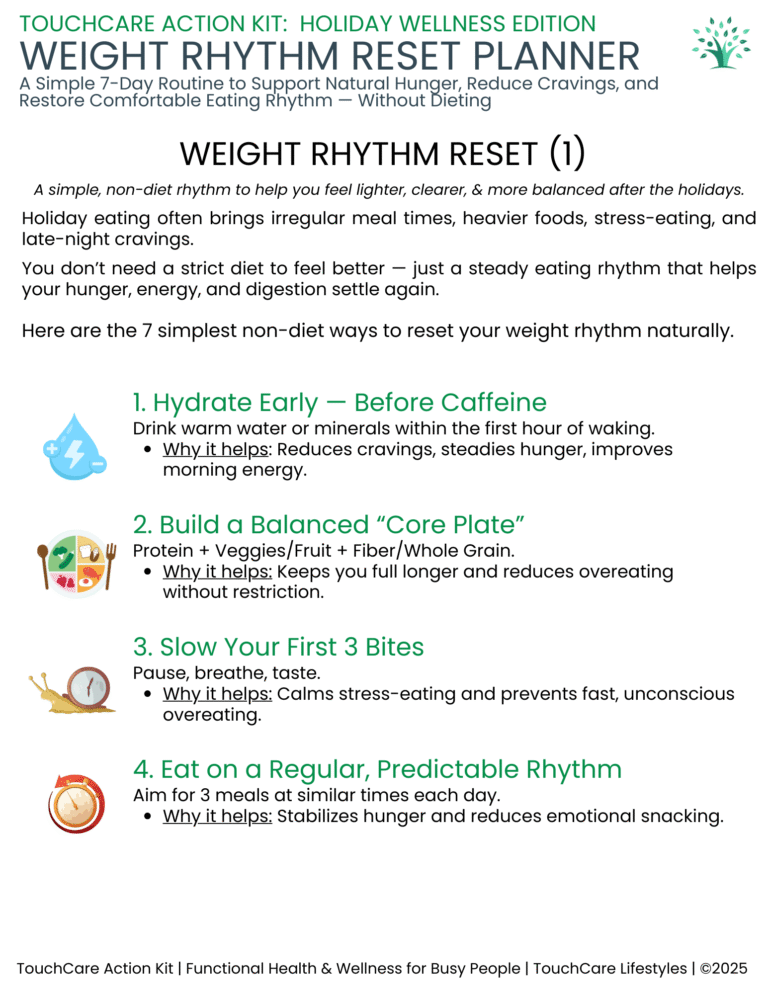
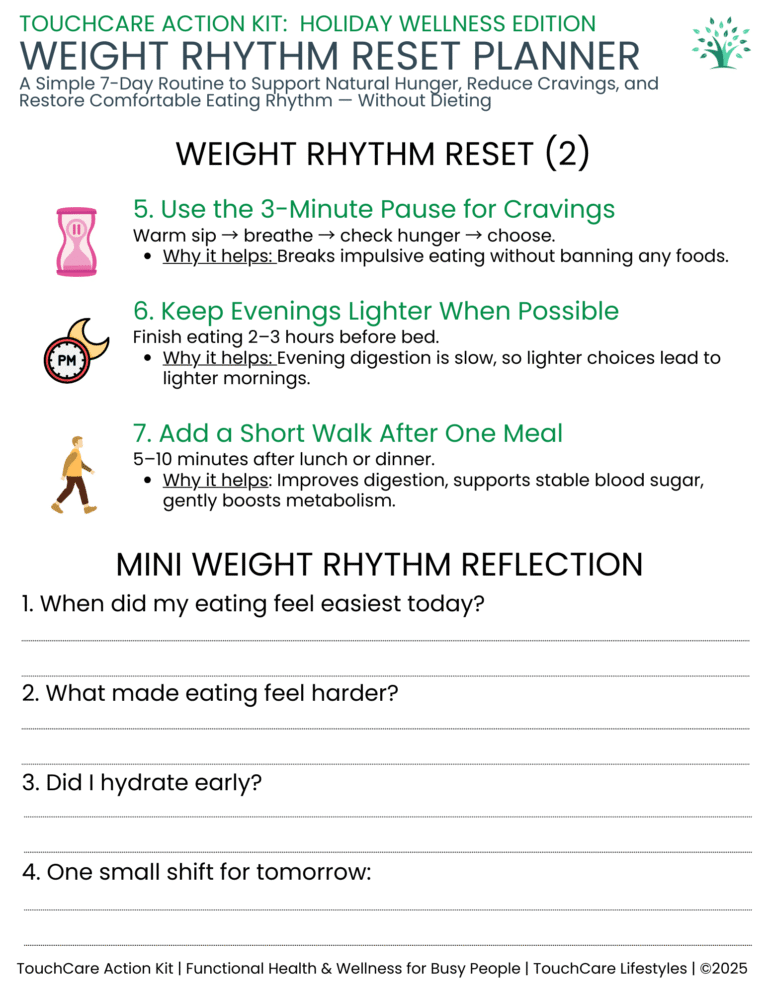
Hydration early in the day helps circulation and focus. Regular meals support blood sugar stability. Gentle movement improves energy flow without triggering stress. Predictable evenings help the nervous system downshift before sleep. Supporting gut rhythm with consistent habits, and for some people Probiotics – Physician’s Choice, can help energy feel steadier over time.
These habits don’t create instant energy spikes. They create stability. January Energy rebuilds gradually when the body feels supported rather than pushed.
This approach feels slower at first, but it produces steadier results. Energy returns because the system is ready, not because it’s being forced.
VII. My essentials to Support January Energy
These supports are used to assist hydration, digestion, nervous system recovery, and sleep. They are not stimulants or energy boosters.
• Electrolytes Powder – Liquid IV
Supports early hydration, which helps improve circulation and morning energy.
• Magnesium Glycinate – Nature’s Bounty
Supports nervous system relaxation and sleep rhythm, both essential for energy recovery.
• Organic Ginger Tea
Supports digestion after meals, helping reduce heaviness that contributes to fatigue.
• L-Theanine – Horbäach
Supports calm focus and reduces stress-related energy drain without stimulation.
• Probiotics – Physician’s Choice
Supports gut rhythm, which affects nutrient absorption and steady energy levels.
Affiliate Disclaimer
These are tools I personally use in my own routine. As an Amazon Associate, I earn from qualifying purchases at no extra cost to you.
VIII. A Simple Reset You Can Start Today (Free Resource)
When January Energy feels flat, starting small works better than trying to overhaul everything at once. That’s why the Weight Rhythm Reset is used as a gentle reset during this time of year.
This free 2-page printable focuses on hydration timing, meal rhythm, digestion awareness, stress signals, and simple daily reflection. It’s designed to help energy stabilize by restoring rhythm rather than adding effort.
📥 Download the free Download Free “WEIGHT RHYTHM RESET” PLANNER PDF
A simple, practical starting point when your appetite, energy, and digestion haven’t fully settled yet.

X. Final Thoughts - Restore rhythm. Let energy return.
January Energy feels flat because the body is still transitioning out of stress, not because something is wrong. Fatigue at this stage is information, not a flaw. It’s a signal that rhythm needs to come before output.
When pressure is reduced and consistency returns, energy rebuilds on its own timeline. Focus improves. Mornings feel lighter. The need to push fades.
Restore rhythm. Let energy return.
With care,
Samuel
⭐ Upgrade Your Wellness Routine
If this post helped you understand how daily rhythm affects appetite, digestion, energy, and cravings, you may appreciate the Weight Rhythm Reset Planner designed to support this approach more deeply.
It’s a structured TouchCare Action Kit that builds on what you learned here, including daily rhythm anchors, hydration timing, meal rhythm guidance, digestion support prompts, appetite reflection pages, and simple check-ins to help your body settle back into a steady, predictable pattern without dieting or restriction.
If you’d like a printable, guided version of this full rhythm-based reset, you can find the Weight Rhythm Reset Planner in its premium edition on ETSY.