
Hydrate vs Moisturize for Dry Skin: The K-Beauty Method
Skincare & Beauty by Mijung | Korean Beauty & Flight Attendant Experience
i. iNTROduction: Why Your Skin Still Feels Dry Even When You Moisturize
If your skin still feels tight, flaky, or dull even after applying your favorite moisturizer, you’re not alone. So many women think they have “dry skin” when the truth is more complicated. Sometimes your skin is thirsty, sometimes it’s lacking oils, and other times it’s both — which is why creams don’t always work the way you expect. This everyday frustration is exactly where the confusion around hydrate vs moisturize for dry skin actually begins.
During my years flying long-haul routes, I learned this the hard way. I remember layering on rich creams during overnight flights, only to land with skin that still looked flat and felt papery. It wasn’t until much later, while working with Korean cosmetic R&D teams, that I finally understood the missing piece: my skin didn’t just need moisture — it needed water first. Once I discovered the K-beauty method of hydrating and moisturizing in the right order, everything changed. My skin became calmer, smoother, and far more predictable, even in the driest conditions.
In this blog, I want to walk you through the exact difference between hydration and moisturization, why your skin may not be responding to your current routine, and how the K-beauty layering method finally brings balance back. You’ll see the simple steps that helped me rebuild my own dry, tight skin during my flying years, and how you can use them at home without buying a dozen new products.
By the end, you’ll know exactly what your skin has been trying to tell you, and how to give it the water and moisture it needs — in the right order — so it can look and feel the way you’ve always wanted.
II. What Dry Skin Really Is — and Why Hydrate vs Moisturize for Dry Skin Matters
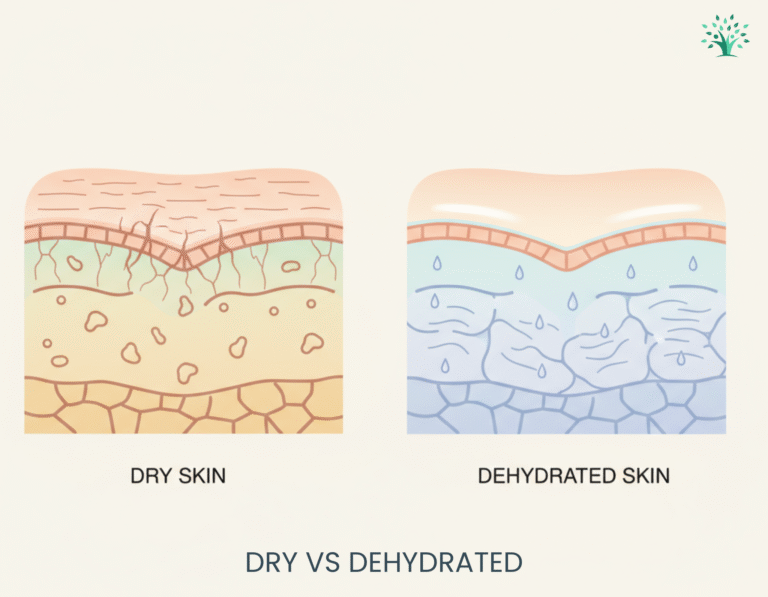
Dry skin and dehydrated skin often look the same on the surface, and that’s where the confusion begins. Many women assume that flakiness, dullness, or tightness means they need a heavier cream. In reality, dryness is a lack of oils while dehydration is a lack of water. Because both issues can happen at the same time, it’s easy to feel like nothing you apply is actually working.
When your skin is dehydrated, it can feel tight no matter how much moisturizer you add. The texture looks flatter, makeup settles into lines, and your skin seems to “drink up” products without staying soft. When your skin is dry, you get rough patches, discomfort around the cheeks or mouth, and a lack of softness even when you’re well hydrated. The problem is that moisturizers are designed to seal, not to hydrate. Without enough water in your skin first, creams simply sit on top and cannot fix the underlying dehydration.
This is where hydrate vs moisturize for dry skin becomes important. Hydration adds water into the skin, while moisturization locks it in. When your routine skips the hydration step, or when your barrier is weak, your skin continues to lose water faster than your cream can keep up. This is why your skin can feel dry and dehydrated at the same time, even if you think you’re doing all the right steps.
Understanding this difference makes everything else easier. Instead of guessing, switching products, or feeling discouraged, you can finally support your skin with what it actually needs: water first, moisture second, and the right kind of barrier care to bring everything back into balance.
Recommended Reading:
III. The K-Beauty Philosophy: How Hydrate vs Moisturize for Dry Skin Changes Everything
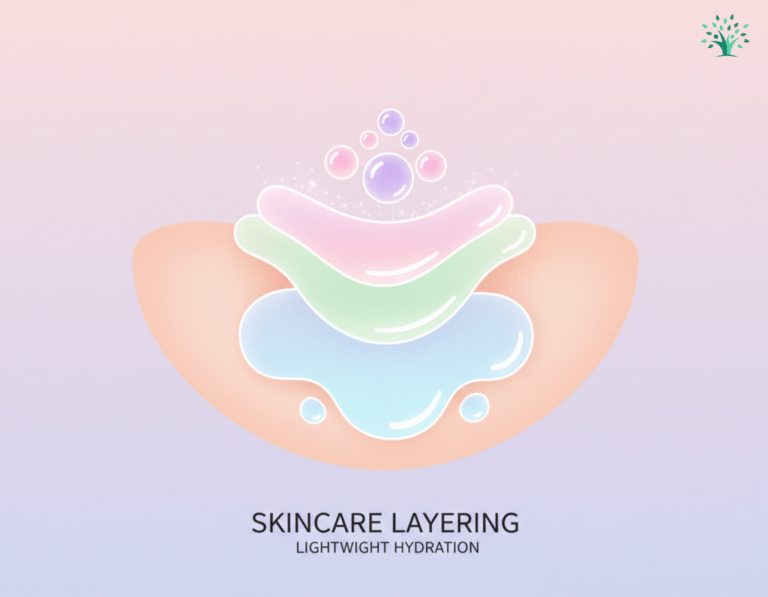
K-beauty approaches skin differently, and that’s why it works so well for women who struggle with dryness. Instead of reaching for a single thick cream, Korean skincare starts by giving your skin water first. Essences, hydrating toners, and lightweight ampoules create layers that help your skin hold water where it needs it. Only after those layers go on does moisturizer seal everything in. This gentle order makes a dramatic difference in how dry skin behaves.
When I first saw this backstage on international flights, it felt almost too simple. The flight attendants with consistently glowing skin weren’t using heavier creams. Instead, they were adding one or two hydrating layers before their moisturizer, and their skin stayed calm even after twelve hours in a cabin. Later, when I worked with R&D teams in Korea, the explanation became crystal clear: hydration and moisturization are two separate steps, and they must happen in that order to bring balance back.
This is why the K-beauty method aligns perfectly with hydrate vs moisturize for dry skin. Hydration pulls water into your skin through lightweight formulas that feel refreshing instead of heavy. Moisturizer then seals that water in and protects your barrier so you don’t lose the hydration you just added. When you skip the hydrating step, your creams work harder than they should, and your skin continues to feel tight or flaky even when you apply more product.
The beauty of this approach is that it doesn’t require a complicated routine. You’re not adding more steps just to add them. You’re giving your skin what it needs in a gentle sequence that actually makes sense. Once you experience what a few hydrating layers can do, your moisturizer starts performing the way it was always meant to.
⭐ Recommended Reading
IV. HOW TO HYDRATE DRY SKIN THE K-BEAUTY WAY
Hydration is the first step in bringing dry skin back into balance, and it’s often the step most women skip without realizing it. When your skin feels tight or flat, it usually needs water before anything else. Lightweight K-beauty layers help your skin pull in moisture deeply instead of sitting on the surface.
A hydrating toner like Torriden DIVE-IN Toner gives your skin an immediate boost of water and prepares it for anything you apply next. If your skin looks dull or rough, Mixsoon Bean Essence helps smooth the surface so hydration layers sink in better. When your skin feels sensitive or reactive, Skin1004 Madagascar Centella Ampoule brings calming hydration that reduces tightness without adding heaviness.
For deeper daily hydration, Ma:nyo Bifida Biome Complex Ampoule helps strengthen the skin’s ability to hold water, which is essential for dry or easily dehydrated skin. And throughout the day, a refreshing mist like d’Alba White Truffle First Spray Serum keeps your hydration levels steady, especially if you work indoors, travel often, or live in a dry climate.
Hydrating layers work together to give your skin water from the inside out. Once your skin feels plump and comfortable, your moisturizer finally has something real to seal in — and this is where the K-beauty routine starts to make visible sense.
⭐ Recommended Reading
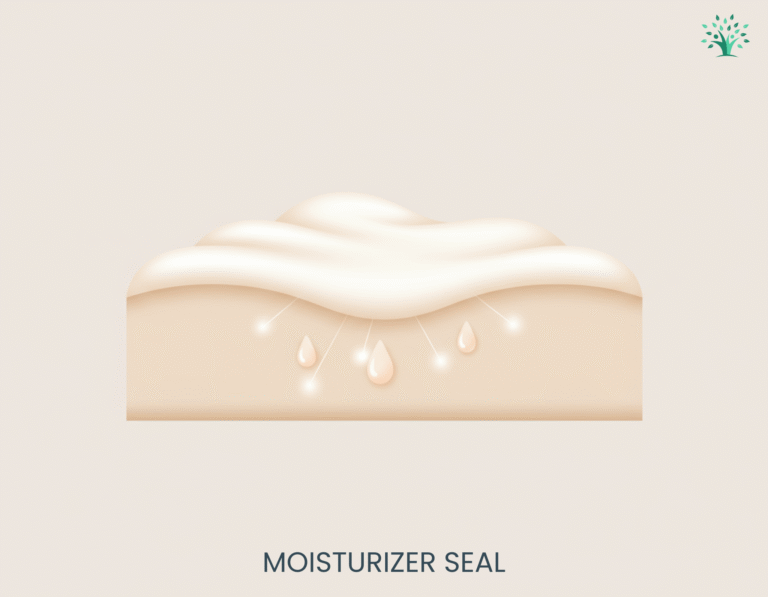
V. HOW TO MOISTURIZE DRY SKIN AND SEAL IN HYDRATION
After your skin receives enough water through hydrating layers, the next step is sealing everything in. Moisturizers are designed to protect your skin’s barrier, cushion the water you’ve added, and keep it from evaporating. When this step is done correctly, your skin stays soft throughout the day instead of tightening up again.
A ceramide-rich formula like RNW Der. Concentrate Ceramide Ampoule strengthens the barrier and fills in the spaces where moisture escapes. This step is especially important if your skin feels fragile, thin, or irritated, because ceramides restore the lipids your skin naturally loses with age, stress, and weather changes.
For a fuller, more nourishing finish, a cream like Medi-Peel Peptide 9 Volume Bio Tox Cream adds bounce and firmness while sealing in your hydration layers. It creates a smooth, cushioned surface that helps your skin stay comfortable for hours. If you need something simple and deeply protective, CeraVe Moisturizing Cream is a reliable option with moisturizing ingredients that lock water in and keep your skin from drying out again.
Moisturizing is most effective when your skin is already hydrated underneath. Once the hydration layers are in place, your moisturizer works exactly the way it should—keeping your skin soft, supple, and supported all day long.
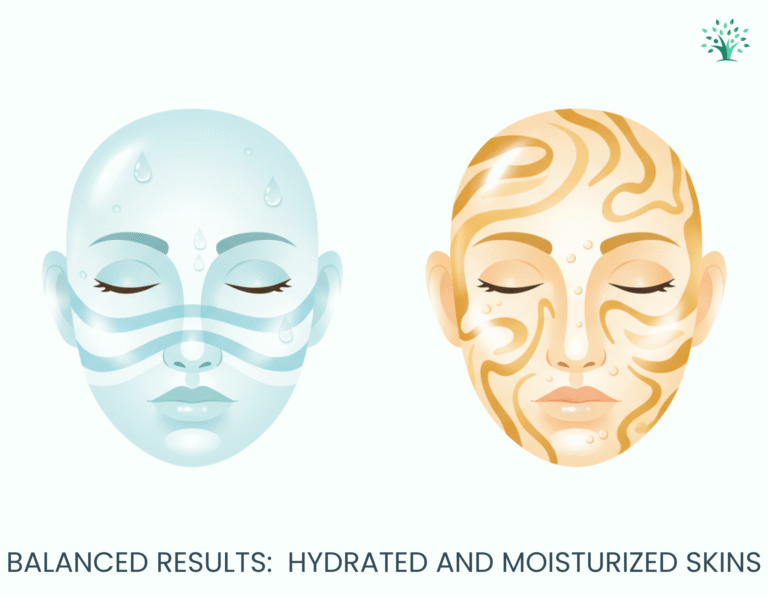
VI. The Perfect Balance: Hydrate vs Moisturize for Dry Skin in Real Life
Finding the right balance between hydrating and moisturizing is what finally brings dry skin back under control. Many women treat these steps as interchangeable, but your skin needs them to work together. Hydration gives your skin water, and moisturization seals that water in. When one is missing, your skin becomes unpredictable, which is why so many routines fail even when they seem complete.
If your skin feels both tight and flaky, it usually means you’re dehydrated and dry at the same time. Adding water-based layers first and following with a nourishing cream helps calm both issues quickly. When your skin is oily but still feels tight, hydration is the missing piece. Lightweight essences and ampoules add water without heaviness, helping your moisturizer work more effectively. And when your skin gets flaky but sensitive, gentle hydration paired with a soft barrier cream helps restore comfort without irritation.
This is where the K-beauty method really shines. It respects the natural order of your skin and supports the way your barrier actually works. Instead of trying to fix dryness with more cream, you focus on hydrating first, then sealing it in, just like the logic behind hydrate vs moisturize for dry skin. When these steps work together consistently, your skin becomes more predictable, more balanced, and far easier to care for.
The goal isn’t perfection. It’s steady improvement. Once you understand what your skin needs and when it needs it, your routine becomes simpler, not more complicated—and your results finally last.
VII. Mijung’s Tip: A Simple Check-In for Dry, Tired Skin
When your skin feels dry, don’t rush to add more cream. Pause for a moment and check how your skin actually feels. If it feels tight, start with hydration. If it feels rough or flaky, follow with a moisturizer. This simple check-in makes every routine easier because you’re responding to what your skin is asking for instead of guessing.
During my flying years, this habit saved my skin. I learned to touch my cheek, feel the texture, and choose my next step based on that alone. Some days my skin needed two hydrating layers. Other days it needed a rich cream to seal everything in. Listening to your skin is the fastest way to fix dryness without overloading your routine.
Try this tonight: add one hydrating layer, wait a minute, and then seal it with your moisturizer. Your skin will tell you immediately if it needed more water or more moisture. The more often you do this, the more predictable and balanced your dry skin becomes.
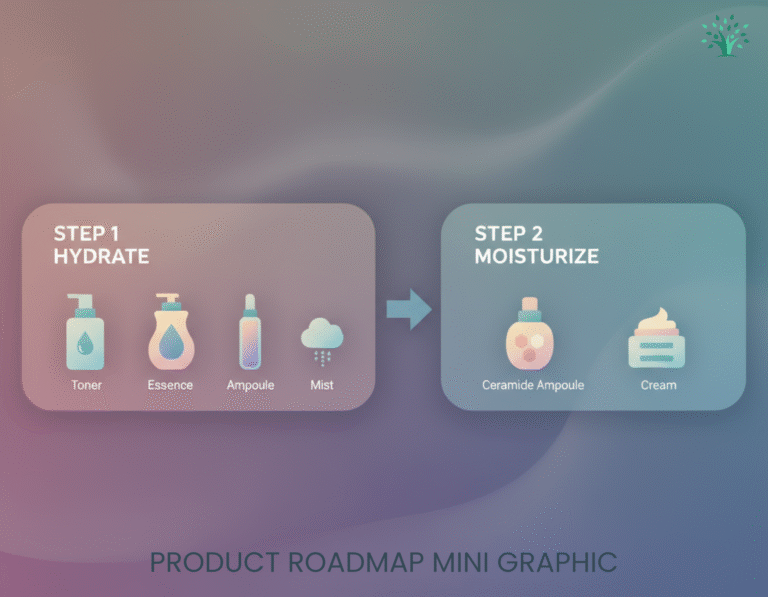
VIII. PRODUCT RECOMMENDATIONS: ROADMAP
These are the products I trust when my skin needs visible support — hydration, barrier repair, and a soft, healthy glow.
STEP 1 — HYDRATE
Torriden DIVE-IN Toner
• Deep hydration to visibly plump and brighten
Mixsoon Bean Essence
• Smooths texture and boosts absorption
Skin1004 Madagascar Centella Ampoule
• Calming hydration for redness and sensitivity
Ma:nyo Bifida Biome Complex Ampoule
• Strengthens skin’s water retention
CeraVe Hyaluronic Acid Serum
• Lightweight HA + ceramide hydration for dry, tight, or dehydrated skin
d’Alba White Truffle First Spray Serum
• On-the-go hydration for dry air, travel, or office days
STEP 2 — MOISTURIZE
RNW Der. Concentrate Ceramide Ampoule
• Reinforces the barrier and prevents moisture loss
Medi-Peel Peptide 9 Volume Bio Tox Cream
• Locks in hydration while improving bounce and firmness
CeraVe Moisturizing Cream
• Long-lasting moisture with ceramide-rich support
How to Use This Roadmap
• Hydrate first
• Seal with a cream
• Refresh as needed
• Stick to this simple order for calmer, glowing dry skin
Affiliate Disclaimer:
As an Amazon Associate, I earn from qualifying purchases. These are products I personally use and trust — shared here to support your skincare journey.
ix. Final Thoughts: Hydrate vs Moisturize for Dry Skin
Dry skin becomes much easier to manage once you understand what your skin has been missing. Hydration gives your skin the water it needs to feel soft and comfortable, while moisturization locks that water in so your glow can actually last. When you follow this simple order, your routine becomes clearer, your products work better, and your skin stays balanced day after day.
The K-beauty method makes this process feel gentle and predictable. Hydrate first, moisturize second, and give your skin a moment to respond. With a little consistency, your skin starts looking calmer, brighter, and more naturally radiant.
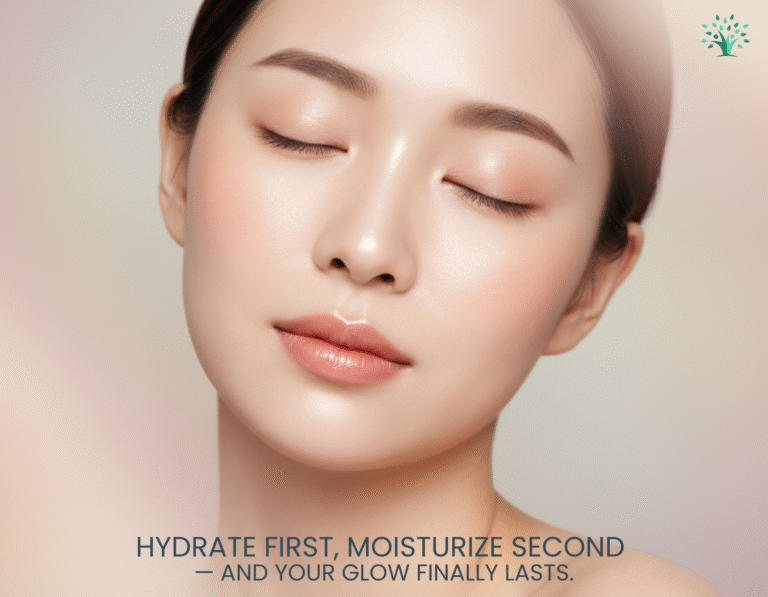
Hydrate first, moisturize second — and your glow finally lasts.
With care,
Mijung