

Feel Puffy Even When Eating Clean?
◆ Functional Health & Wellness by Mi Jung
I. INTRODUCTION — When You Feel Puffy for No Clear Reason
There were weeks when I would look in the mirror and quietly think, why do I feel puffy when I’ve been eating clean? No junk food. No overeating. Plenty of vegetables. And yet my face looked softer, my rings felt tighter, and my clothes fit differently.
That kind of frustration is subtle but powerful. You start questioning yourself. Did I miscalculate something? Am I eating more than I think? Is this age? Hormones? Something worse?
Most women assume puffiness equals weight gain. In reality, it is often fluid retention, inflammation, stress chemistry, or hormonal rhythm shifts. The scale might barely move, yet your body feels swollen and unfamiliar.
Over the years, I realized that eating clean is only one part of the picture. Rhythm matters. Sleep matters. Stress matters. Sodium balance matters. When those systems shift, your body can hold water even when your meals are disciplined.
Feeling puffy is not a failure. It is feedback.
📥 BONUS: Download the FREE 2-page printable infographic PDF at the end of this post! Stick it to your mirror and carry them. Your Weight Rhythm Reset.
Quick Jump Guide
• Why you feel puffy even when eating clean
• Fluid retention versus real fat gain
• How cortisol quietly affects water balance
• Digestive slowdown and hidden bloating
• Hormonal shifts that cause temporary swelling
• What a structured Weight Rhythm Reset changes
This Guide Is for You If…
• You feel heavier even though your meals are consistent
• Your face or fingers look swollen some mornings
• Clean eating is not reflecting in the mirror
• Bloating comes and goes without clear cause
• You are disciplined but still feel inflamed
• You want stability, not extreme dieting
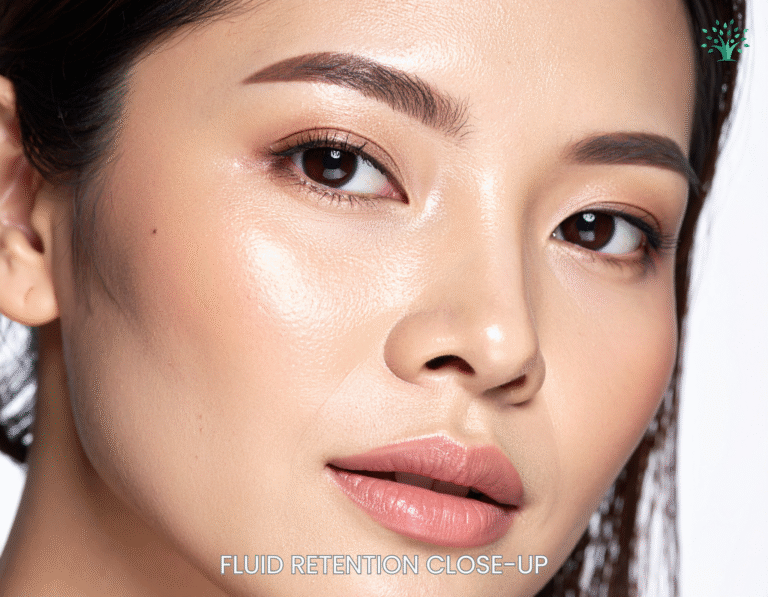
II. Why You Feel Puffy (Physiology First)
When you feel puffy, the first assumption is fat gain. In most cases, that isn’t what’s happening.
Your body regulates fluid constantly. Sodium, potassium, cortisol, estrogen, sleep quality, and digestive speed all influence how much water your tissues hold. Even small shifts in those systems can change how your face, fingers, and waistline look within 24 to 72 hours.
Water retention often concentrates in softer tissues. The under-eye area, lower cheeks, abdomen, and fingers tend to show it first. That’s why your rings may feel tight before the scale moves at all.
Clean eating supports inflammation control, but it does not automatically correct fluid balance. A stressful week, travel, poor sleep, or even a subtle increase in sodium can cause your body to retain water temporarily. The mirror reacts faster than long-term body composition does.
Digestive rhythm also plays a role. When bowel movement timing slows, abdominal pressure increases and bloating becomes more noticeable.
Understanding this distinction matters. Fluid retention behaves differently than fat storage. One shifts quickly. The other changes slowly. When you learn the difference, panic decreases and clarity increases.
Recommended Reading:
III. Stress & Cortisol — Why You Feel Puffy Without Gaining Fat
Stress chemistry quietly alters how your body handles water.
Cortisol rises during emotional pressure, work deadlines, lack of sleep, and even intense exercise. That hormone helps you survive, but it also influences fluid retention and sodium regulation. When cortisol stays elevated for days, your body tends to hold onto water more aggressively.
At the same time, stress affects digestion and circulation. Blood flow shifts toward survival systems rather than repair. Lymphatic movement can slow. As a result, tissues may appear softer or slightly swollen.
Many women respond by tightening their diet further. That reaction feels logical, yet it often increases stress and compounds the issue. More restriction does not calm cortisol. In fact, aggressive dieting can raise it.
Relief begins when you address rhythm instead of calories. Stabilizing sleep, managing stress, and supporting gentle movement usually reduce puffiness more effectively than cutting food.
Recommended Reading:

IV. Fluid Retention vs. Fat Gain
Not every change in your body represents fat storage.
Fat gain requires sustained calorie surplus over time. Fluid retention can happen within a single day. That difference alone should reduce panic.
Water weight often fluctuates two to five pounds depending on sodium intake, carbohydrate intake, hormonal phase, stress load, and sleep quality. Carbohydrates naturally bind water. When you increase or decrease them, water follows.
Texture also tells a story. Fluid retention feels soft and slightly compressible. Fat accumulation changes more slowly and feels consistent rather than temporary.
Morning puffiness that improves by evening is typically fluid related. Swelling that appears before your menstrual cycle often reflects hormonal water shifts rather than body fat changes.
When you feel puffy, observe the timeline. If your body looks different after stress, travel, or poor sleep, fluid balance is the likely cause. True fat gain does not reverse within 48 hours.
This awareness allows you to respond calmly instead of reactively.

V. Hormones & Why You Feel Puffy Before Shifts
Hormonal rhythm influences water balance more than most women realize.
Estrogen and progesterone fluctuate across the menstrual cycle. In the luteal phase, fluid retention increases naturally. That shift can soften facial contours and increase abdominal bloating even when meals remain steady.
Perimenopause adds another layer. Hormonal variability becomes less predictable, which can make puffiness feel random. Sleep disturbance during this stage further affects cortisol and water retention.
Timing matters. Tracking your cycle often reveals a pattern. Once you see it, the swelling feels less personal and more biological.
Instead of fighting your body during those days, support it gently. Lower sodium slightly. Increase hydration consistently. Add light movement to encourage circulation. Calm stress rather than escalate it.
When rhythm stabilizes, puffiness usually follows.

VI. The 7-Day Weight Rhythm Reset Approach
The goal is not restriction. The goal is regulation.
A structured seven-day reset focuses on stabilizing fluid balance, digestion, sleep, and stress simultaneously. Each system influences the others.
Start with hydration rhythm. Drinking water consistently throughout the day prevents rebound retention that happens when intake is erratic. Adding Electrolytes Powder – Liquid IV can help maintain balance without overloading sodium.
Support stress modulation gently. Magnesium Glycinate – Nature’s Bounty in the evening can promote nervous system calm, especially during high-pressure weeks.
Digestive consistency reduces abdominal pressure. Probiotics – Physician’s Choice encourage microbiome balance, while Organic Ginger Tea supports comfortable digestion after meals.
Inflammatory load also matters. Omega-3 Fish Oil – Nordic Naturals provides anti-inflammatory support that may influence tissue softness over time.
When stress remains elevated, Ashwagandha – Horbäach can support cortisol balance. Hair, skin, and connective tissue integrity benefit from Collagen Peptides – Garden of Life especially during hormonal transitions.
Movement stays moderate during this reset. Walking, light strength work, and mobility training improve circulation without spiking cortisol.
Consistency for seven days often reveals that your body responds quickly when rhythm returns.
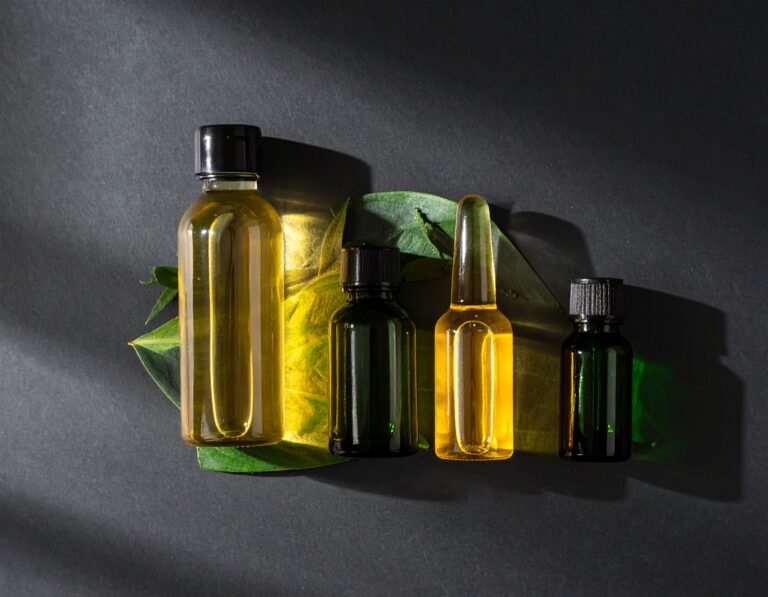
VII. Products That Support Weight Rhythm Reset
Each of these supports rhythm rather than restriction.
Magnesium Glycinate – Nature’s Bounty
Encourages nervous system stability and supports sleep quality, both of which influence water retention.
Electrolytes Powder – Liquid IV
Helps regulate hydration timing and fluid balance when intake has been inconsistent.
Omega-3 Fish Oil – Nordic Naturals
Supports anti-inflammatory pathways that affect tissue softness and recovery.
Probiotics – Physician’s Choice
Encourage digestive regularity and reduce bloating associated with imbalance.
Organic Ginger Tea
Promotes comfortable digestion and gentle circulation after meals.
Ashwagandha – Horbäach
Supports cortisol modulation during stressful periods.
Collagen Peptides – Garden of Life
Helps maintain connective tissue integrity, especially during hormonal shifts.
As an Amazon Associate, I earn from qualifying purchases.


VIII. Weight Rhythm Reset Planner + Free 2-Page Sampler
Feeling puffy is rarely about discipline. It reflects rhythm.
The Weight Rhythm Reset Planner was designed for exactly this pattern. Instead of focusing on calories, it guides you to track:
• Sodium patterns
• Hydration timing
• Stress load
• Sleep consistency
• Digestive rhythm
• Hormonal timing
Patterns become visible when you observe them. Once you see how your body responds, puffiness feels predictable rather than confusing.
This planner is not about perfection. It builds awareness so your body stabilizes naturally.
For this post, I created a free 2-page sampler from the Weight Rhythm Reset Planner.
The sampler walks you through a simple daily tracking structure without overwhelming your routine. It offers a preview of the full system, which expands into a multi-day rhythm-building framework.
📥 Free Download – Weight Rhythm Reset
If you want the full structured system, the complete Weight Rhythm Reset Planner is available.
🛍 Explore the full Weight Rhythm Reset Planner PDF on Etsy if you’d like the complete system.

IX. Final Thoughts - Puffiness fades. Rhythm remains.
When you feel puffy, your body is communicating.
Water retention is information. Hormonal shifts are information. Stress response is information. None of them represent failure.
Clean eating supports health, yet rhythm determines stability.
Instead of tightening control, choose awareness. Instead of restricting harder, restore balance.
Your body responds quickly when you treat it with structure rather than punishment.
Puffiness fades. Rhythm remains.
With care,
Mijung