

Cortisol-Smart Morning Routine: 5-Min Plan to Beat Fatigue
Functional Health & Wellness by Samuel
i. iNTRO: From Morning Struggle to Cortisol-Smart Reset
You know those mornings when you open your eyes, but it feels like you’re already running on empty? That’s the moment you realize why having a cortisol-smart morning routine matters. Your brain lags behind your body, your heart beats faster than it should, and you reach for coffee hoping it’ll kickstart you into focus. It’s not that you’re lazy or unmotivated—it’s that your body’s internal clock is off. The rhythm that’s supposed to give you energy at sunrise is firing in reverse. And the quiet culprit behind that exhaustion is cortisol.
Cortisol is your body’s natural “wake-up hormone.” It rises in the morning to pull you out of deep sleep, raise your blood sugar, and clear mental fog so you can handle the day ahead. When it’s balanced, you feel sharp, steady, and in control. But when stress, late nights, and constant stimulation flatten that cycle, cortisol misfires—leaving you tired in the morning and wired at night. That imbalance is what silently drains your energy, mood, and focus no matter how many hours you sleep.
This blog breaks down exactly how to fix that. You’ll learn why so many people wake up exhausted even after resting, how cortisol really works (and how most of us unknowingly throw it off), and how to build a cortisol-smart morning routine that resets your energy in just five minutes. Think of it as a practical, science-backed ritual designed to wake your body naturally—so your mornings finally feel clear, calm, and strong again.

II. The Cortisol Connection: What’s Really Draining Your Energy
To understand why your mornings feel heavy, you first need to know what cortisol really is. Think of it as your body’s built-in energy switch—the hormone that tells your cells, “It’s time to wake up and move.” Produced by your adrenal glands, cortisol helps control blood sugar, heart rate, focus, and even mood. When it rises naturally in the morning, it gives you that steady sense of alertness that should last through your first few hours awake.
The problem begins when this system gets confused. Instead of peaking in the early morning like it should, cortisol starts rising at night and flattening out when you need it most. You wake up tired because your body’s energy signal hasn’t turned on yet. It’s not about motivation or willpower—it’s a timing issue built by stress, late-night light, and the pace of modern life. Over time, your brain stops recognizing when to rest or rise, leaving you in a constant fog.
A cortisol-smart morning routine works by resetting that internal clock. Small cues—light, breath, hydration, and movement—remind your body what time it really is. Instead of chasing caffeine highs and afternoon crashes, you teach your stress system to find rhythm again. And once cortisol flows in sync, energy returns naturally: calmer, steadier, and more sustainable.
That’s exactly what the next section reveals—the simple, five-minute sequence that trains your body to wake up on its own terms and stay balanced through the day.
Recommended Reading:
III. My 5-Min Cortisol-Smart Morning Routine That Actually Works
You don’t need a full hour or an expensive gym to reset your energy. What your body needs is five focused minutes to remind itself how to wake up. A well-designed cortisol-smart morning routine sends that signal quickly and gently—no rushing, no adrenaline spikes, just balance.
Minute 1 – Light and Breath
Open a window or step outside for thirty seconds. Natural light tells your brain it’s morning, while slow nasal breathing steadies your heart rate and oxygen flow. This simple cue triggers the first wave of cortisol the body needs to feel alert.
Minute 2 – Hydrate
Drink 8–12 ounces of warm water with a pinch of sea salt or an electrolyte packet. Hydration restores plasma volume, helping cortisol circulate properly and supporting adrenal recovery.
• Electrolyte Powder with Magnesium Glycinate — MAGNA Electrolyte Powder Drink Mix.
Minute 3 – Move Gently
Do a quick set of body-weight movements—squats, arm circles, or light stretches. Movement raises core temperature and oxygenates tissue, both of which help your cortisol curve rise naturally.
Minute 4 – Mind Reset
Pause for thirty seconds of calm reflection or gratitude. Even brief mindfulness lowers stress signals, telling your nervous system it’s safe to energize instead of defend.
Minute 5 – Adaptogenic Support
Finish with targeted nutrients that help cortisol stay balanced throughout the day:
• Ashwagandha Capsules — verified (for stress modulation and sustained focus)
• Rhodiola Rosea — MaryRuth’s Rhodiola Rosea Supplement
• L-Theanine — verified (for smooth, calm energy without caffeine)
• Magnesium Glycinate (Powder) — Nature’s Truth Magnesium Glycinate Powder
Repeat these five steps for one week, and your mornings will start to shift—less fog, steadier focus, and fewer midday crashes. The goal isn’t perfection; it’s consistency. Small, repeated signals teach your body what balance feels like again.
Up next, we’ll look at why this sequence works—the science behind each step and how these simple cues help your hormones, brain, and energy system work together instead of apart.

iv. The Science Behind Cortisol-Smart Morning Routine
Every part of this routine supports how your body naturally manages stress and energy. It isn’t about forcing alertness—it’s about reminding your hormones how to do their job again. When done consistently, the science behind it becomes clear.
Light and Breath:
Morning light is the most powerful trigger for your body clock. Exposure to sunlight within the first few minutes of waking tells your brain to release cortisol and reduce melatonin. This sets your “wake-up hormone” on time and helps you feel naturally alert instead of groggy. Steady breathing also signals the nervous system to shift from survival mode to balance—an essential part of energy recovery.
Hydration and Movement:
Cortisol helps control fluid balance and blood pressure. When you’re dehydrated, the body has to work harder to maintain circulation, which can leave you dizzy or tense. Rehydrating right after waking restores blood volume and improves oxygen delivery to your muscles and brain. Light movement adds a second layer—boosting circulation, increasing oxygen, and giving cortisol a reason to rise gently instead of spiking later from stress.
Mind Reset and Adaptogens:
Mental calmness and gratitude lower cortisol’s peaks. It’s not just emotional—it’s biochemical. A few seconds of mindfulness helps your brain release neurotransmitters like GABA and serotonin that naturally counter stress hormones. Adaptogens such as Ashwagandha, Rhodiola, and L-Theanine work synergistically to keep your cortisol curve smooth—strong in the morning, steady by noon, and relaxed by night.
The result? A body that wakes up when it should and powers down when it’s time to rest. When you pair these daily cues with a consistent schedule, the cortisol-smart morning routine becomes more than a habit—it’s a biological tune-up that helps you perform and recover better throughout the day.
Recommended Reading (Internal Links):

V. Your 5-Min Cortisol-Smart Morning Routine Plan: Start Tomorrow
The best routines are the ones you can actually keep. This plan isn’t about perfection—it’s about showing your body, one morning at a time, what balance feels like again.
Start by choosing a wake-up time you can maintain for at least five days straight. As soon as you open your eyes, follow these cues in order: light, water, movement, breath, and supplements. Even if you only manage two steps, that’s progress; consistency trains your cortisol rhythm far more effectively than intensity.
Keep your phone on airplane mode until you finish. The first five minutes of the day decide whether your brain starts in reaction or control. Give yourself that brief quiet window to anchor your focus before the world rushes in.
For travel days or unpredictable mornings, modify it. Mijung’s simple travel tip—open the hotel curtain, stretch, and sip electrolyte water—still keeps your body clock aligned. Small adjustments protect the rhythm you’re rebuilding.
After a week, you’ll notice mornings feel lighter and energy steadier. What’s changing isn’t just your mood—it’s your biology. By repeating your cortisol-smart morning routine, you’re retraining the internal timing system that powers every other part of your wellness.
Recommended Reading (Internal Link):
vi. ⚙️ My Personal Cortisol-Smart Morning Toolkit
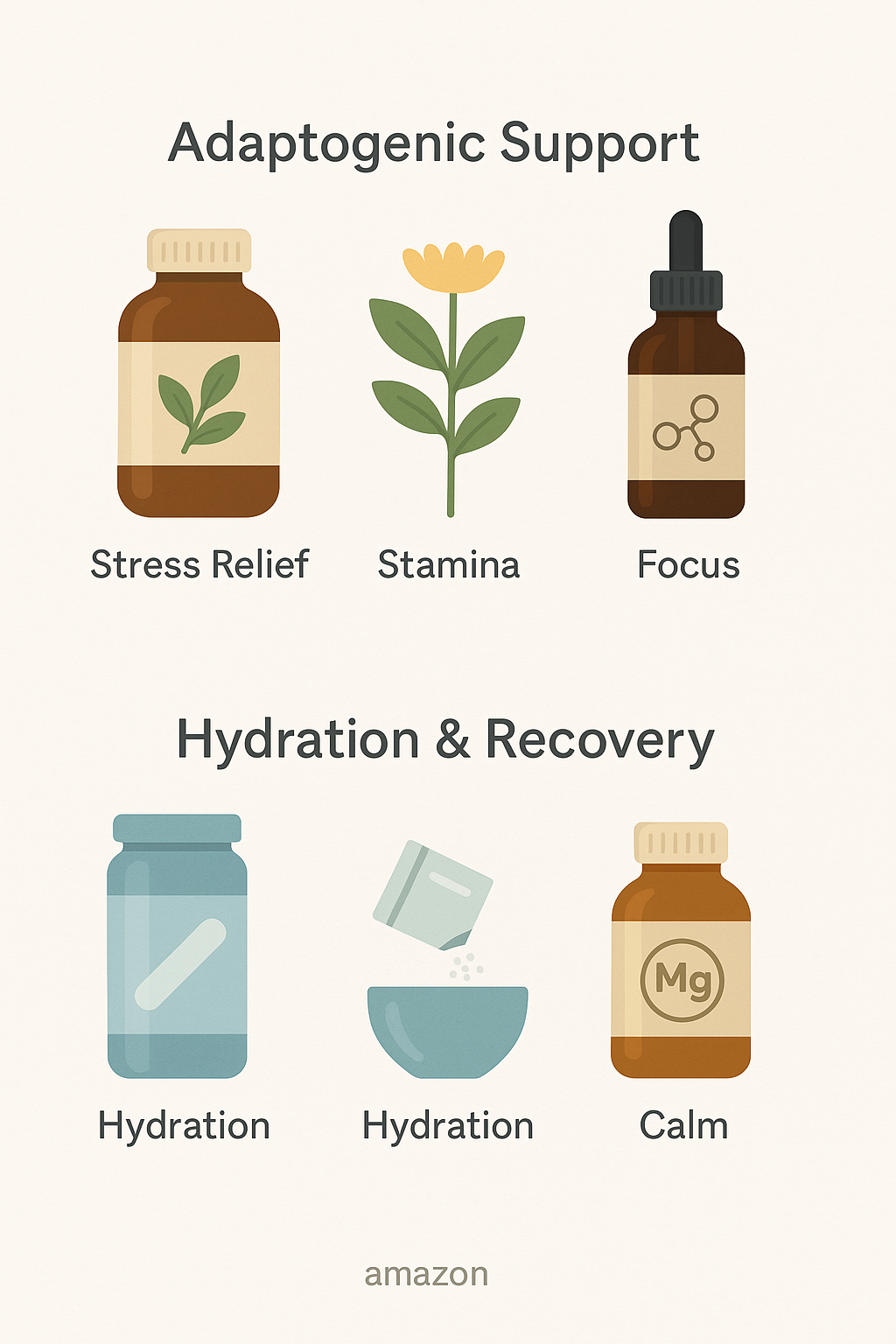
If you often wake up groggy, tense, or mentally drained, this is the simple toolkit that helped restore calm energy and focus to my mornings. Each product supports better cortisol balance, hydration, and stress recovery:
Ashwagandha Capsules — Adaptogenic support that helps lower stress hormones and maintain all-day focus.
Rhodiola Rosea — MaryRuth’s Rhodiola Rosea Supplement
Supports stamina, mood stability, and natural mental alertness throughout the morning.
L-Theanine — Smooths energy and focus without caffeine jitters; pairs well with morning tea or light breakfast.
Electrolyte Powder with Magnesium Glycinate — MAGNA Electrolyte Powder Drink Mix
Restores hydration and essential minerals to help cortisol circulate properly and prevent mid-morning crashes.
Magnesium Glycinate (Powder) — Nature’s Truth Magnesium Glycinate Powder
Promotes muscle relaxation and supports a calm nervous system—ideal for lowering stress before the day begins.
These are the products I use to anchor a cortisol-smart morning routine that keeps energy smooth and focus steady from dawn to afternoon. They’re practical, functional, and tested in real life—no guesswork, just results that last.
Affiliate Disclaimer:
As an Amazon Associate, I earn from qualifying purchases. These are trusted, personally tested products shared to help make your morning wellness routine easier and more effective.

Vii. Final Takeaway: Small Mornings, Big Impact
The most powerful changes often start with the smallest decisions. In just five minutes, you can remind your body what it feels like to wake up balanced, focused, and calm. There’s no magic supplement or secret diet—just a simple rhythm that reconnects you with how your energy is meant to flow.
When your mornings stop feeling like recovery and start feeling like readiness, everything else improves—your mood, focus, and sleep all begin to follow. The cortisol-smart morning routine isn’t about adding more to your schedule; it’s about removing the chaos that drains you before the day begins.
Give your body one week of consistency, and you’ll feel the shift. Your mornings will finally start working for you, not against you—and that’s where real wellness begins.
TouchCare Lifestyles — Functional Health for Busy People, Simplified.
With care,
Samuel