
7 Foods That Trigger Bloating — Even When You Eat Healthy
◆Functional Nutrients & Smart Supplements by Mijung
I. Introduction: Why Even Healthy Foods Can Trigger Bloating
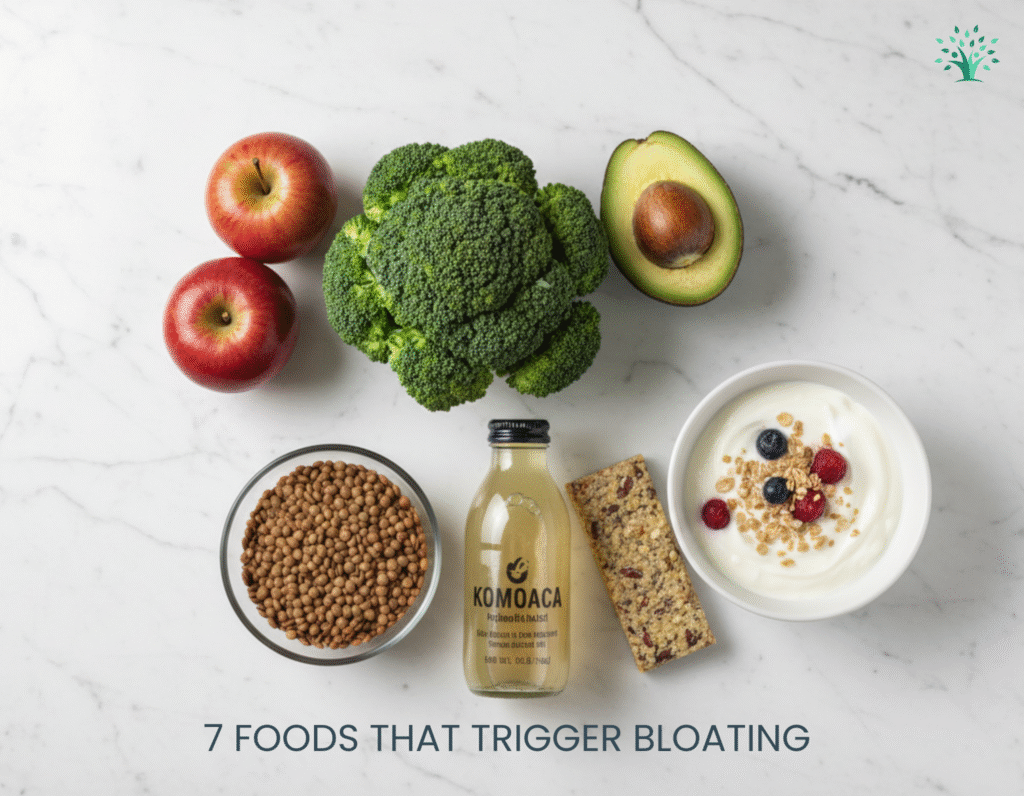
Most people assume bloating comes from heavy, greasy meals, but the truth is simpler and more frustrating. Many everyday foods that seem clean and nutritious are actually foods that trigger bloating because of how the gut ferments, digests, and responds to certain natural compounds. You can eat a textbook “healthy plate” and still end up feeling swollen, tight, or gassy within an hour.
This happens because your gut isn’t reacting to the quality of the food. It’s reacting to the structure of the food — the fibers, carbohydrates, fermentable starches, and natural sugars that certain plants or proteins contain. When your digestion slows from stress, irregular meals, dehydration, or travel, these foods that trigger bloating become harder to break down. That’s when bloating shows up, even on a day when you think you’re doing everything right.
Many women describe the same pattern: they clean up their diet, swap to whole foods, and suddenly feel more bloated than before. It’s confusing and discouraging, especially if you’re trying to be consistent. The good news is that the cause is predictable once you know what triggers the reaction.
This guide highlights seven surprising foods that trigger bloating even when you eat healthy. You’ll learn why each one affects the gut, how to adjust without restricting everything you love, and simple ways to calm digestion when your stomach feels unsettled.
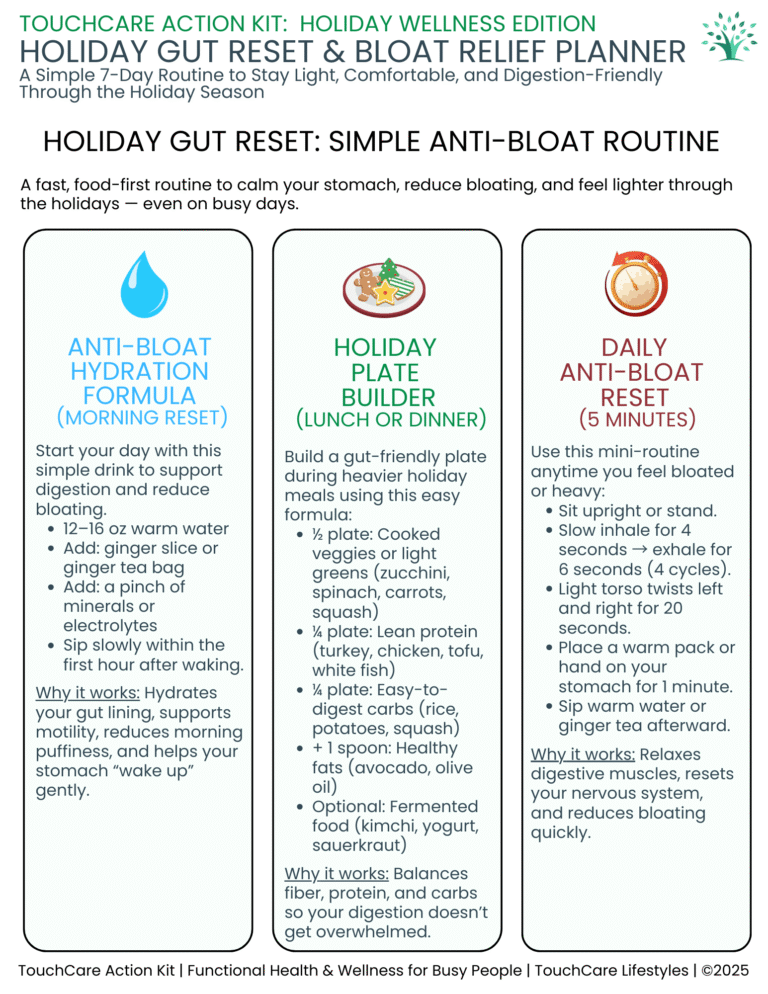
📥 BONUS: Holiday Gut Reset & Bloat Relief Planner (Free Download)
A simple one-page printable to help you feel lighter, calmer, and more comfortable after the holidays.
Preview your planner below and download it at the end of this post —
stick it on your mirror, save it in your journal, or keep it on your phone for easy resets anytime.
II. The Gut Science Behind Foods That Trigger Bloating
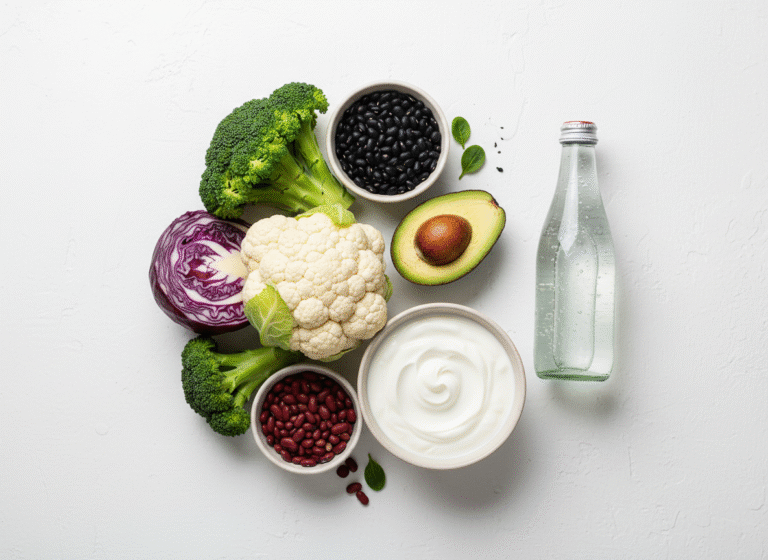
Bloating isn’t random. Certain ingredients in everyday meals interact with your gut in ways that make digestion feel slow, tight, or pressurized. Even foods that seem nourishing can lead to discomfort when the digestive system becomes sensitive or overwhelmed. This is why many women notice symptoms after eating foods that trigger bloating, even when the rest of their habits appear balanced.
The gut reacts strongly to fermentable carbohydrates, high-fiber structures, and natural sugars found in many healthy foods. These compounds break down slowly, and when they reach the large intestine, bacteria begin to ferment them. Gas builds, pressure rises, and the stomach feels distended. If your gut is already stressed from travel, irregular meals, lack of sleep, or holiday schedules, bloating becomes even more noticeable.
Another factor is timing. Eating quickly, pairing too many dense foods at once, or drinking carbonated beverages with meals can intensify the reaction. Hydration matters as much as food choice, because a dehydrated digestive tract moves more slowly and struggles to process fiber-heavy ingredients.
Understanding these patterns makes the bloating cycle less confusing. Your body isn’t rejecting healthy food; it’s responding to how certain nutrients behave during digestion and how your current lifestyle influences gut rhythm. Once you know the foods that trigger bloating, managing them becomes much easier.
Recommended Reading:
III. Food #1 — Cruciferous Vegetables (Broccoli, Cauliflower, Kale)
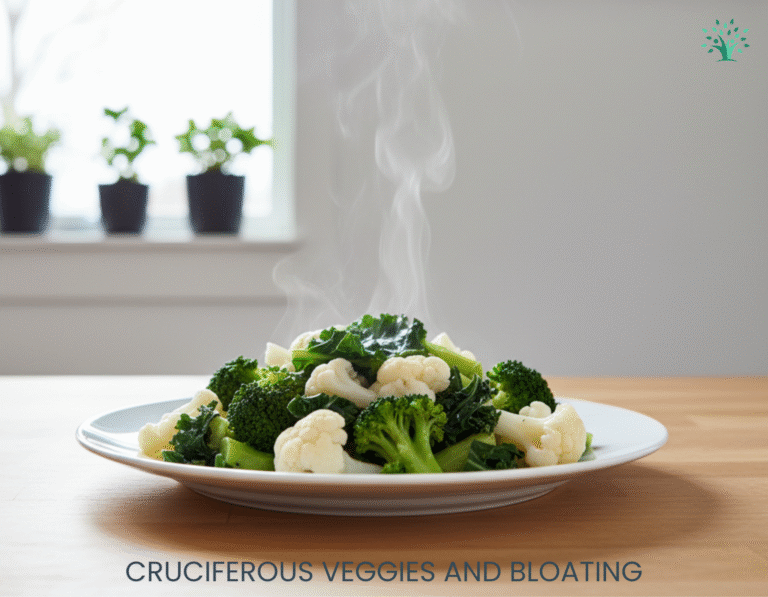
Cruciferous vegetables are some of the healthiest foods you can eat, but they can still trigger bloating when your gut is sensitive. These vegetables contain raffinose, a complex carbohydrate that breaks down slowly and ferments once it reaches the large intestine. As bacteria process raffinose, gas forms, and pressure builds. That’s why even a small serving of broccoli, cauliflower, or kale can make your stomach feel tight or swollen, especially if these meals include foods that trigger bloating from multiple categories.
Preparation matters as much as the food itself. Raw cruciferous vegetables are harder to digest because their fibers and cell walls stay intact. Light steaming softens those fibers, reduces the fermentation load, and makes digestion smoother. Eating them in large portions or mixing several types together increases the likelihood of bloating, especially if you’re already feeling inflamed or stressed.
Your overall gut rhythm also influences how cruciferous vegetables affect you. Eating quickly, pairing them with beans or other gas-producing foods, or consuming them late at night can amplify symptoms. Small adjustments usually make a noticeable difference, and you don’t need to remove these foods entirely. Moderate portions and gentler cooking methods help your gut tolerate them more easily.
IV. Food #2 — Lentils and Beans
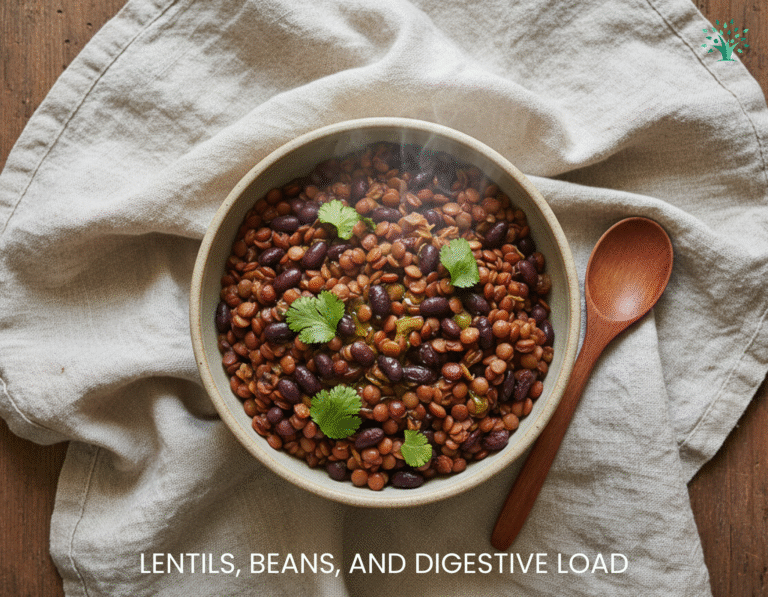
Lentils and beans are nutrient-dense, affordable, and high in plant-based protein, but they often trigger bloating because of their natural carbohydrate structure. These foods contain oligosaccharides, a type of sugar the body cannot break down without help from gut bacteria. When these sugars reach the colon, fermentation increases quickly, producing gas and pressure that make the abdomen feel tight or swollen. These reactions become more noticeable when eaten alongside other foods that trigger bloating in the same meal.
Fiber content plays a role as well. Lentils and beans are rich in soluble fiber, which absorbs water and expands during digestion. This is beneficial for long-term gut health, yet it adds temporary fullness that can feel uncomfortable when your digestive system is moving slowly. Anyone who increases fiber intake too quickly may experience more bloating during the adjustment period.
Cooking methods influence how your body responds. Soaking beans, rinsing canned versions, and cooking lentils until soft help reduce the compounds that cause bloating. Eating smaller amounts throughout the week rather than one large serving makes digestion easier. Pairing these foods with warm spices such as ginger or cumin may also support smoother digestion.
Lentils and beans don’t need to disappear from your diet. Gentle preparation, mindful portions, and gradual increases in fiber often make them easier to tolerate.
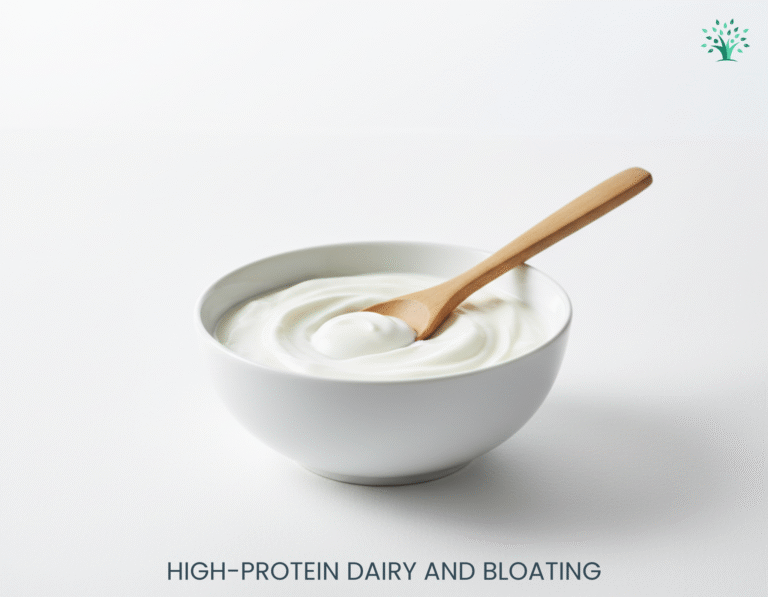
V. Food #3 — Greek Yogurt, Cottage Cheese, and High-Protein Dairy
High-protein dairy products seem like a clean, efficient choice for balanced meals, yet they’re one of the most common foods that lead to bloating. Many people have a mild lactose intolerance without realizing it, and the concentrated lactose in Greek yogurt, cottage cheese, and whey-based products becomes difficult to break down. When lactose moves into the large intestine undigested, it ferments quickly and produces gas. Symptoms worsen when these are paired with other foods that trigger bloating during the same meal.
Protein density adds another layer. Thick yogurts and cottage cheese require more digestive effort because of their slow-moving texture. When eaten on an empty stomach or paired with heavy ingredients such as granola or nut butters, the gut works harder and may react with tightness or pressure. People who handle regular dairy without issues may still feel discomfort from these high-protein versions simply because the digestive load is greater.
Your microbiome also influences how you respond. A balanced gut often tolerates dairy more easily, but stress, travel, antibiotics, or irregular eating patterns reduce lactase activity and make symptoms more noticeable. Choosing lactose-free options or pairing dairy with warm foods can reduce the chance of bloating. Some people do better with small portions spread throughout the week instead of relying on these foods daily. These adjustments help you enjoy dairy without feeling uncomfortable afterward.
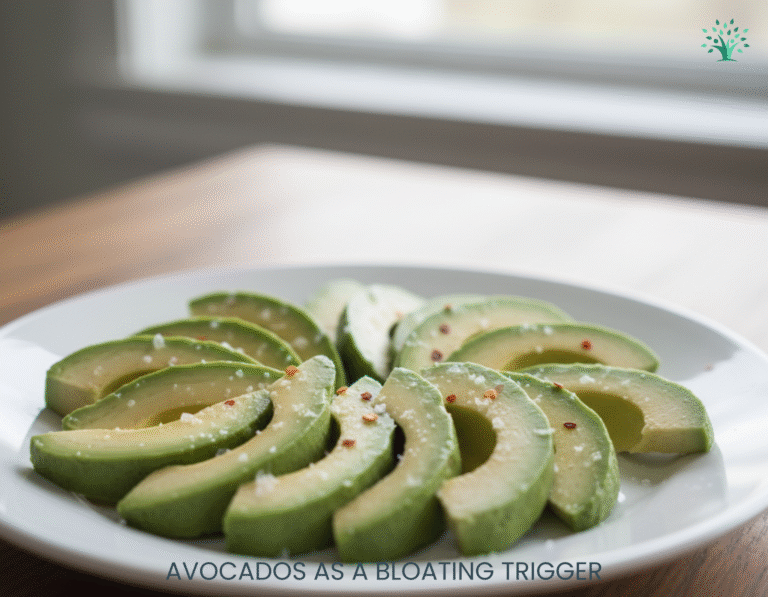
VI. Food #4 — Avocados
Feeling bloated after the holidays isn’t random. It’s a predictable reaction to the way your routine shifts during this season. Richer meals, late-night eating, and long stretches of sitting change how the gut processes food. When digestion slows, the stomach holds more water, more gas, and more pressure.
Avocados are often seen as a gentle, nourishing food, yet they commonly trigger bloating when the gut is sensitive. Their high fat content slows digestion, which is helpful for steady energy but challenging if your digestive system is already moving sluggishly. When food sits longer in the stomach or small intestine, pressure builds and bloating becomes more noticeable. This reaction can intensify if eaten alongside multiple foods that trigger bloating at once.
Avocados also contain polyols, a type of FODMAP that can ferment in the gut. People who digest other fruits easily may still react to avocados because these compounds break down differently and create gas during the fermentation process. The effect becomes stronger when avocados are paired with heavy meals or eaten quickly.
Portion size makes a difference. A few slices may feel fine, but half or a whole avocado can overwhelm digestion, especially on stressful days or after travel when the gut is more reactive. Adding avocado to multiple meals in the same day increases the chance of discomfort.
Most people don’t need to avoid avocados entirely. Smaller servings, slower eating, and pairing them with warm or lightly cooked foods often reduces symptoms. Paying attention to portion and timing helps you keep avocados in your diet without feeling bloated afterward.
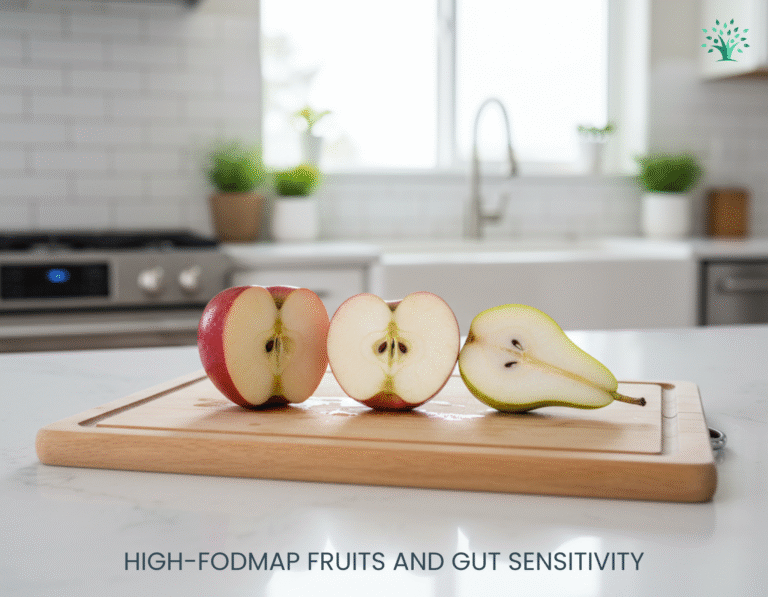
VII. Food #5 — Apples, Pears, and Other High-FODMAP Fruits
Apples and pears seem like simple, healthy snacks, yet they commonly trigger bloating because of their high FODMAP content. These fruits contain fructose and sorbitol, two natural sugars that absorb water and ferment quickly in the gut. When the small intestine can’t break them down efficiently, they move into the colon and produce gas as they ferment — a reaction that becomes more noticeable when combined with other foods that trigger bloating.
Fiber density plays a role as well. Apples and pears have firm skins and a structure that takes longer to digest. When your gut is already stressed or inflamed, this slower movement increases the feeling of fullness and pressure. Eating these fruits on an empty stomach or pairing them with heavy meals often intensifies the effect.
Ripeness changes how the body reacts. A crisp apple or firm pear contains more resistant starches, which require more digestive effort. Softer, riper fruit may feel gentler, but the higher sugar content can still lead to fermentation if your gut is sensitive.
Most people don’t need to remove high-FODMAP fruits entirely. Smaller servings, pairing them with protein, or choosing lower-FODMAP options like berries or citrus can reduce discomfort. These adjustments make it easier to enjoy fruit without feeling bloated afterward.
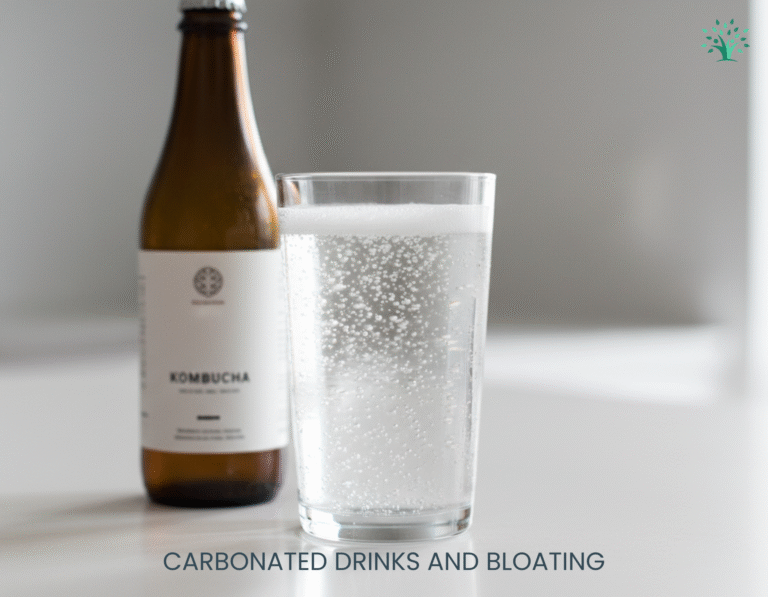
VIII. Food #6 — Sparkling Water and Kombucha
Sparkling water and kombucha seem refreshing and health-conscious, yet both can trigger bloating because of the gas they introduce directly into the digestive tract. Carbonation expands inside the stomach, creating pressure that builds quickly when the gut is already sensitive or moving slowly. Even small amounts cause a noticeable reaction in people prone to bloating, especially when combined with other foods that trigger bloating during the same day.
Kombucha adds another layer. Its fermentation process produces natural carbonation and organic acids that can stimulate the gut. Some people experience a gentle digestive boost, while others feel pressure, gas, or cramping. The added sugars in flavored kombucha can ferment further in the colon and intensify symptoms.
Temperature influences the reaction. Cold carbonated drinks tighten the digestive muscles and slow movement, which increases the chance of bloating. Drinking them quickly or pairing them with large meals compounds the effect. Even zero-calorie sparkling water can cause discomfort because the issue comes from trapped gas, not the ingredients.
You don’t need to eliminate these drinks completely. Choosing still water, warm teas, or lightly flavored non-carbonated options on days when your gut feels reactive often makes a noticeable difference. Portion awareness and slower drinking can also reduce symptoms.
IX. Food #7 — Protein Bars and “Healthy” Snacks
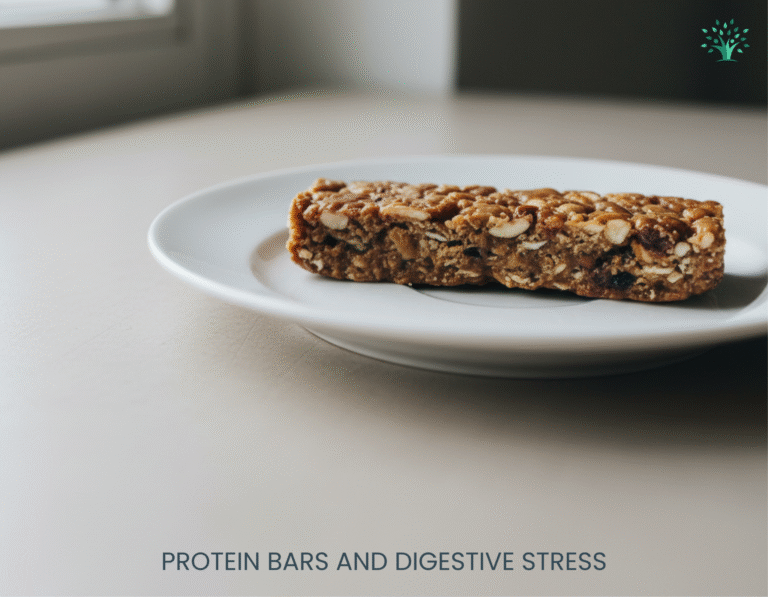
Protein bars and packaged “healthy” snacks often cause bloating because they contain ingredients that digest slowly or ferment easily. Many bars rely on sugar alcohols, chicory root fiber, inulin, or whey-based proteins, all of which can overwhelm a sensitive gut. These ingredients pull water into the intestines or feed bacteria that produce gas during fermentation. When eaten alongside other foods that trigger bloating, symptoms can appear quickly.
Texture plays a role. Dense bars take longer to break down, especially when eaten quickly or on an empty stomach. The combination of concentrated protein, added fibers, and artificial sweeteners creates a heavy digestive load. Even snacks marketed as clean can trigger discomfort if they rely on these common additives.
Portion habits influence symptoms as well. Many people eat protein bars during rushed moments or pair them with coffee, which speeds some parts of digestion while slowing others. That mismatch increases the likelihood of bloating or pressure. Eating multiple bars in the same day compounds the effect because the same fermentable ingredients stack up in the gut.
You don’t need to avoid these snacks completely. Choosing bars with fewer additives, eating them more slowly, or pairing them with water instead of caffeine often reduces discomfort. Paying attention to labels helps you choose options that feel lighter on your digestive system.

X. Early Signs Your Body Is Reacting to Foods That Trigger Bloating
Bloating rarely begins with visible swelling. The gut sends early signals long before pressure builds, and these cues often appear during busy, stressful weeks. You may notice a subtle tightness under the ribs, slower digestion, or a feeling that meals sit heavier than usual. These shifts are easy to dismiss but are often the first indicators that your gut is becoming reactive.
Energy changes offer another clue. Afternoon crashes feel sharper, and concentration drops even when you’ve eaten balanced meals. Hunger patterns also shift. You may crave salty snacks, sweets, or quick calories because the gut-brain axis becomes strained when digestion is off rhythm. These cravings are less about willpower and more about your digestive system asking for support.
Your body may give mechanical cues as well. Burping increases, stools become irregular, or gas builds more easily after simple meals. Clothes may feel slightly tighter even if your eating hasn’t changed. None of these signs are random; they show that the digestive system is slowing down or dealing with fermentation before bloating becomes noticeable.
Catching these early patterns allows you to respond quickly. Small adjustments such as lighter meals, slower eating, or increased hydration often prevent the cycle from escalating into full discomfort.
XI. A Mini Reset to Calm the Effects of Foods That Trigger Bloating
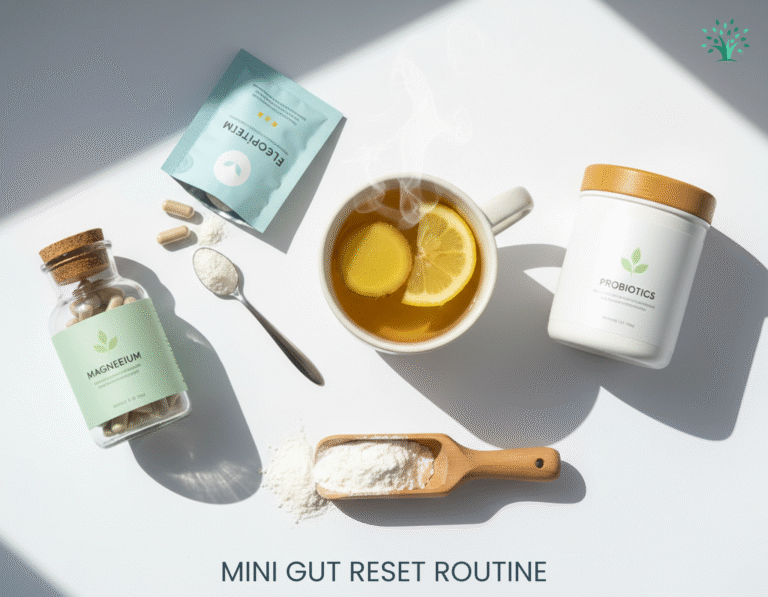
A simple reset helps your digestive system settle before bloating becomes uncomfortable. These steps work together to reduce pressure, calm fermentation, and support smoother movement through the gut.
Start by restoring hydration.
Water alone isn’t always enough when the gut is stressed, so adding Electrolytes Powder – Liquid I.V. helps rebalance minerals and support motility. When hydration improves, digestion becomes steadier and pressure decreases.
Warm the digestive tract.
A cup of Organic Ginger Tea relaxes the gut, reduces fermentation discomfort, and helps move trapped gas more easily. Many people feel relief within minutes when warmth is included early.
Reduce internal gut tension.
Magnesium Glycinate – Nature’s Bounty helps relax the smooth muscles of the digestive system, reducing the tight, compressed feeling that often shows up before bloating peaks. Consistent use is especially helpful during stressful weeks.
Support the gut lining.
Collagen Peptides – Garden of Life provide amino acids that help maintain gut integrity. When the lining feels supported, irritation and reactivity decrease, making digestion less sensitive overall.
Rebalance the microbiome.
Probiotics – Physician’s Choice help reduce gas production, support regularity, and improve how your gut handles high-FODMAP foods. A stable microbiome makes bloating episodes shorter and less intense.
Lower inflammation that amplifies bloating.
Omega-3 Fish Oil – Nordic Naturals helps calm gut inflammation, especially when bloating is tied to stress, travel, or reactive digestion.
Strengthen overall digestive resilience.
Vitamin C – Garden of Life supports antioxidant activity in the gut lining, reducing irritation that often occurs alongside bloating.
Extra support during travel or stressful weeks.
Echinacea & Goldenseal – Horbäach helps stabilize immune-related gut reactivity that often makes bloating flare more easily during fatigue or seasonal changes.
These steps work best when used at the earliest signs of digestive strain, giving your system the support it needs before discomfort builds.
⭐ Recommended Reading
⭐ FREE PDF: Holiday Gut Reset & Bloat Relief Planner
If you want this routine in a simple, one-page guide you can use all week, you can download the free planner here. It’s the gentlest way to help your digestion settle after the holidays — keep it on your mirror, in your journal, or saved on your phone.
📥 Download Your Free Printable Below
XII. Gut-Supporting Supplements When Bloating Keeps Coming Back
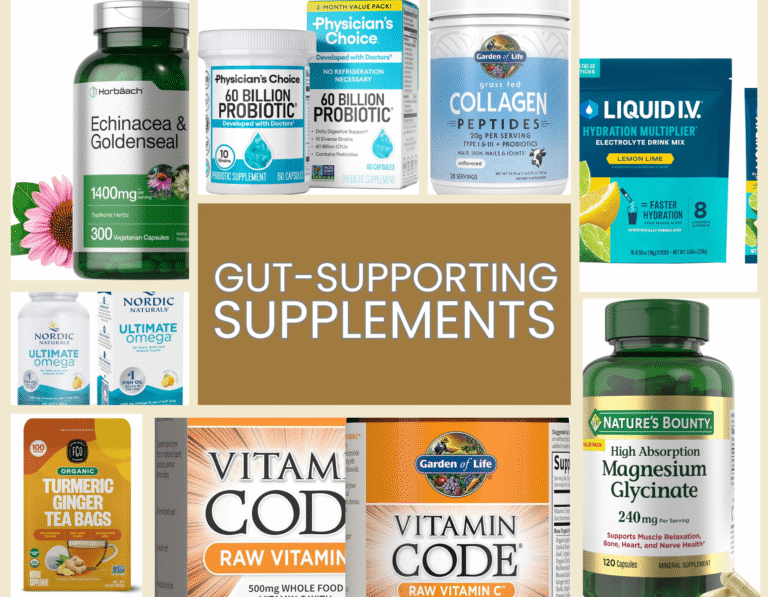
These supplements support digestion, reduce gut reactivity, and help your system recover when bloating becomes a recurring pattern.
Echinacea & Goldenseal – Horbäach
Supports immune balance and helps calm digestive irritation that appears during stressful or travel-heavy seasons.
Magnesium Glycinate – Nature’s Bounty
Relaxes the smooth muscles of the gut, reduces tightness, and supports regular movement through the digestive tract.
Electrolytes Powder – Liquid I.V.
Replenishes minerals needed for proper hydration and motility, especially when bloating is linked to travel, stress, or dehydration.
Organic Ginger Tea
Soothes the stomach, reduces fermentation discomfort, and eases the pressure that builds during slow digestion.
Vitamin C – Garden of Life
Provides antioxidant support that helps reduce inflammation in the gut and steady the digestive response.
Collagen Peptides – Garden of Life
Supports the integrity of the gut lining and helps reduce irritation that contributes to bloating and reactivity.
Omega-3 Fish Oil – Nordic Naturals
Helps lower inflammation throughout the digestive system and supports a calmer, more responsive gut environment.
Probiotics – Physician’s Choice
Rebalances the microbiome, reduces gas-producing bacteria, and supports more predictable digestion.
Affiliate Disclaimer: As an Amazon Associate, I earn from qualifying purchases at no extra cost to you.

XIII. Final Takeaway: Foods That Trigger Bloating
Bloating doesn’t mean your body is failing. It means your digestive system is responding to foods that ferment quickly, meals that hit at the wrong time, or stress that shifts your gut rhythm. When you understand how these triggers work, you can adjust sooner and prevent the cycle from building into discomfort.
Small changes make the biggest difference. Choosing easier-to-digest foods on busy days, restoring hydration, and using simple, supportive steps gives your gut the calm it needs to reset. Your body isn’t the problem. It’s communicating clearly, and with the right rhythm, digestion becomes lighter and more predictable.
Reset gently. Support consistently. Listen to what your gut is telling you.
Reset softly. Recover fully. Live steady again.
With love,
Mijung
⭐ Upgrade Your Wellness Routine
📥 BONUS: “Holiday Gut Reset & Bloat Relief Planner” A simple one-page printable to help you feel lighter, calmer, and more comfortable after the holidays.
Use it as a quick daily guide — on your mirror, inside your journal, or saved on your phone.
Want this routine in a simple, guided format?
If you want a clear, day-by-day system to support your digestion through the season, you can download the Holiday Gut Reset & Bloat Relief Planner — a 23-page TouchCare Action Kit with hydration habits, plate builders, AM/PM gut check-ins, pre- and post-event routines, and a full 7-day tracker.
It’s the simplest way to stay light, comfortable, and digestion-friendly during the holidays.
👉 Available here: Holiday Gut Reset & Bloat Relief Planner